





Technology leadership: the promotion that changes the job
Technology leadership for practitioners, not boardroom reports: the engineer-to-leader conversion, leading experts, and the judgment work that stays human.
Technology leadership gets covered from the boardroom down — CIO surveys, operating-model reports, executive certificates — and almost never from the promotion up, which is where the actual population lives: the excellent engineer made team lead, the architect made director, the technical founder suddenly running forty people. That transition, repeated across every company that employs technologists, is the topic’s real substance. The pattern matches the sales version and the clinical version — promote the best practitioner, provide nothing — with failure modes all its own.
The conversion, and its specific traps
From best solver to builder of solvers. The super-engineer leader reviews every design, rewrites the tricky code, personally owns the hardest incidents — heroic, appreciated, and a ceiling on the whole team. Every escalation resolved brilliantly at the wrong altitude trains the team to escalate; the ownership transfer that would grow them keeps not happening because the leader’s identity is stored in being the answer. The conversion behavior is coaching over out-architecting: “walk me through your approach” before “here’s mine,” ownership left where it can grow, help calibrated to development rather than to the leader’s itch.
Leading people smarter than you — in their specialty. Past the first team, technology leadership means every report knows more than you about something, permanently. Leaders who need to be the technical authority everywhere either narrow their org to their expertise or perform expertise they don’t have; both read instantly. The alternative is a different authority — running the decision process transparently, weighing expert input honestly, owning the call and its reasoning — which experts respect precisely because it doesn’t compete with them.
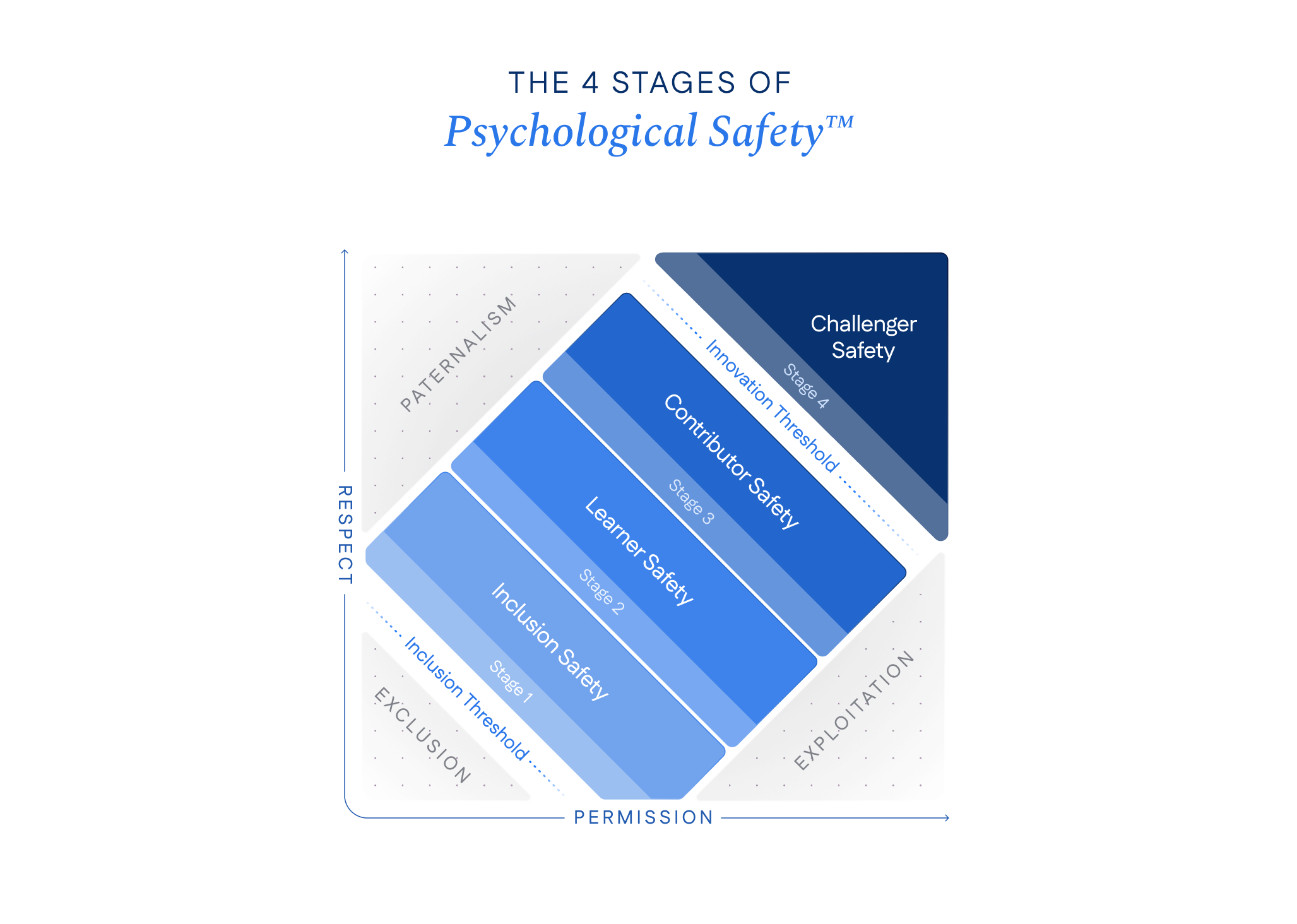
Keeping technical truth traveling upward. Technical organizations run on bad news: the estimate that won’t hold, the architecture that won’t scale, the security hole nobody wants to own. Whether that news arrives early and raw or late and polished is a safety property of the leader’s demonstrated responses — the reaction to the missed estimate prices the next one’s honesty. Blameless postmortems, uncertainty modeled from the front, the messenger thanked before the message is evaluated: the tech-culture rituals that work are all the same mechanism, and it’s the leader’s to run.
The AI layer, briefly and honestly
The boardroom coverage is right about one thing: the job is moving. As AI absorbs computational work — generation, analysis, monitoring — the technology leader’s human remainder concentrates around judgment: which problems are worth solving, which risks are acceptable, how human and machine work should divide. That redesign is landing on technology leaders first, which makes leading through AI their newest core discipline rather than a strategy-page abstraction — the team-level playbook starts, in most companies, in engineering. The stable point underneath the churn: tools commoditize, judgment doesn’t, and the conversion behaviors above are exactly the ones that scale judgment through a team.
It’s a Tuesday in July at a logistics-software company in Salt Lake City, and the new VP of engineering — the best architect the company ever had — is confronting her quarter-one data: she personally approved 96% of design docs, her calendar shows eleven hours a week of code review, and her strongest staff engineer just gave notice, citing “no real ownership.” The turnaround program she builds herself is behaviorally humble: design approval delegated to her principals with real authority, her review hours capped and reallocated to 1
that ask instead of audit, and one metric on her whiteboard — decisions made without her, trending up. Two quarters later her calendar has architecture in it again, one layer up: the system-level choices only she can make, which had been waiting all along behind the ones she couldn’t stop making.That’s technology leadership found by subtraction — and it’s the general case. The conversion behaviors train like any leadership skill; the identity work is real but survivable; and the payoff is specific to this field: a technical organization that thinks without its leader in every room is the only kind that scales. For the organizational altitude this leads to, see organizational leadership; for building the pipeline behind you, how to create a leadership development program.
Frequently asked questions
- What is technology leadership?
- Leading technical people and technology-driven work: engineering managers through CTOs, plus the growing population of leaders whose businesses run on technology decisions. Its core tension is the conversion from personal technical excellence to producing outcomes through other experts — a different job wearing a similar title.
- Why do great engineers struggle as leaders?
- The promotion inverts their value system: from being the best problem-solver to developing problem-solvers, from code as output to conversations as output, from technical correctness as the highest good to judgment under competing constraints. Without deliberate development, they default to super-engineer behavior — reviewing everything, deciding everything, bottlenecking everything.
- What skills does technology leadership require?
- The conversion set: delegating real ownership to experts, coaching rather than out-architecting, running decisions transparently when the room knows more than you do in their specialties, and building the safety that keeps bad technical news traveling fast. Technical credibility is the entry ticket, not the job.
- How is technology leadership changing with AI?
- AI is absorbing computational work — code generation, analysis, monitoring — which concentrates the human job around judgment: what to build, which risks to accept, how humans and machines divide the work. Technology leaders are running that redesign first, which makes leading through AI their newest core discipline.