





Sales leadership development program: past the promoted rep
What a sales leadership development program must actually build — the rep-to-leader conversion, coaching over closing, pipeline truth, and measured behavior.
A sales leadership development program exists to fix the most reliable promotion mistake in commercial organizations: the best rep becomes the manager, and the qualities that filled the trophy case — personal deal control, competitive instinct, closing gravity — become the precise failure mode of the new job. Sales training teaches selling; this is different work. A sales leadership program builds the conversion from closer to builder of closers, and the ones that work are organized around that conversion rather than around a curriculum of topics.
The conversion the program must produce
From taking deals to coaching them. The super-rep manager’s signature is the swooped save: the big deal rescued personally, again. It feels like leadership and functions as theft — the rep learns dependence, the manager learns their team “needs” them, and capacity caps at one hero’s calendar. The replacement behavior is coaching discipline: deal reviews run as questions (“walk me through their decision process — what would change it?”), ownership left with the rep, help calibrated to the rep’s level rather than the deal’s adrenaline. This single behavioral swap — measurable as deal-taking frequency versus coaching frequency — is the program’s spine, and any sales leadership program that doesn’t practice it on live pipeline is a topics tour.
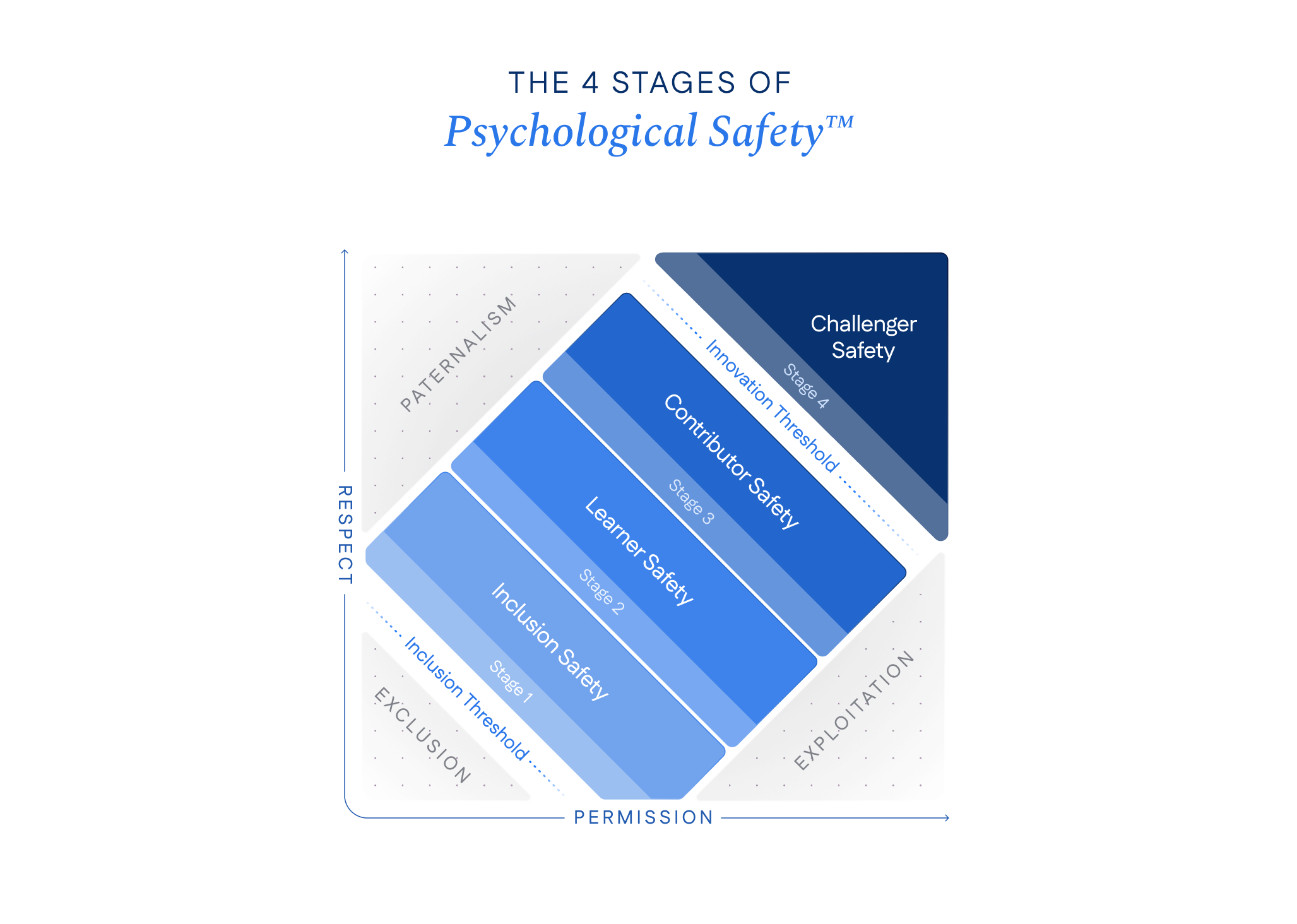
From pressure to truth in the pipeline. Sales cultures run a standing experiment in psychological safety, and most fail it: when the forecast conversation punishes honesty, reps learn to manage the manager — inflated stages, sandbagged closes, surprises in week thirteen. The program’s second conversion is the leader’s response to bad pipeline news: thanking the early flag, treating slippage as information, hunting the deal’s truth together. Forecast accuracy is downstream of conversational safety, which makes it one of the few places where safety work shows up in a CFO-legible metric within two quarters.
From quota enforcement to capability building. Accountability in sales defaults to number-waving because the number is right there. The leadership version pitches accountability at the controllable layer — activity quality, process, skill development — and coaches the capability that produces the number, which is also the only version that develops sellers instead of churning them.
The design, practically
The general program architecture applies in full — business problem, behavior list, baseline, practice, re-measure — with the sales-specific instantiation: cohorts of front-line sales managers; behaviors drawn from the three conversions above; practice run on their actual teams and pipeline (this is the advantage sales programs waste — no simulated cases needed when every week supplies real deal reviews and forecast calls); manager-of-manager reinforcement so the CRO’s own behavior doesn’t undo the curriculum; and measurement at two layers — leader behavior against baseline, then the team signals it drives: forecast accuracy trend, rep ramp and retention, attainment spread (a narrowing spread is coaching working; a widening one is heroics).
Vendor selection runs on the usual sorting questions — framework, instrument, where practice happens — with one sales-specific filter worth adding: ask how the program handles the identity half of the conversion. The best sales leaders grieve the closer identity a little; programs that pretend the shift is purely technical meet mysterious resistance from their most successful participants.
It’s a Monday in April at a industrial-equipment distributor in Charlotte, and the VP of sales is reviewing quarter-one of exactly this program with her eight district managers. The dashboard she built has none of the usual vanity: deal-takes per manager (down 60%), coaching conversations logged (up, and audited for quality by ride-along), forecast variance (halved in two districts, stubborn in one). The stubborn district’s DM — her best former rep, naturally — is candid in the cohort session: “Every deal I don’t take feels like a deal I’m losing.” What moves him isn’t the data; it’s the cohort peer who answers: “I closed nothing personally last quarter. My team closed 112% — and I finally took a vacation.” The identity releases its grip one demonstrated alternative at a time.
That’s the program working at its real depth. Build it on the conversions, practice it on live pipeline, measure the behaviors before the revenue — and treat your best reps’ resistance not as failure but as the syllabus. (For the sibling program serving a different function, see HR leadership development; the same promoted-practitioner conversion recurs in technology leadership; for the individual leader’s version, a development plan built on the same conversion behaviors.)
Frequently asked questions
- What is a sales leadership development program?
- A structured program that builds leadership capability in sales managers and directors — the coaching, accountability, and team-building work of leading sellers — as distinct from sales training, which builds selling skill. The core conversion it must produce: from closing deals personally to building people who close.
- Why do great sales reps struggle as sales leaders?
- Because the promotion inverts the job: what made them great — personal control of deals, competitive drive, closing instinct — becomes the failure mode when the work is developing others. Without deliberate development, new sales leaders default to super-rep behavior: taking over deals and creating dependent teams.
- What should a sales leadership program include?
- The conversion curriculum: coaching skills over deal-taking, pipeline conversations that surface truth rather than punish it, accountability at the right level, hiring and developing sellers, and forecast integrity. Plus the machinery any serious program needs — practice on real teams, baselines, and behavioral re-measures.
- How do you measure a sales leadership development program?
- Two layers: leader behavior change against a baseline (coaching frequency, deal-taking decline, quality of pipeline conversations) and the team-level signals those behaviors drive — forecast accuracy, rep development and retention, spread of quota attainment. Revenue alone lags too much to steer by.