





Leadership development plan: a working template, filled in
A leadership development plan that produces change: the five components, a worked example built on real behaviors, and the review rhythm that keeps it alive.
A leadership development plan is one of those artifacts everyone agrees leaders should have and almost no one has in a form that works. The failure mode is consistent: the plan gets written as aspirations (“strengthen executive presence”), parked in a performance-review system, and rediscovered — unchanged and untouched — at the next review cycle. The fix isn’t better intentions. It’s a different document: shorter, behavioral, and built like a practice contract rather than a self-improvement essay. Here’s the anatomy, and then a filled-in example, because this topic teaches better by specimen.
A working plan has five components
1. A baseline you didn’t write yourself. The plan opens with evidence of current state: themes from a 360 assessment, overlap from asking three trusted colleagues what gets in your way, or an instrument result (the assessment guide maps options). Aspiration-first plans fail here, at the foundation — they develop the leader you imagine being rather than the one your team actually experiences.
2. One to three target behaviors, stated observably. Not competencies — behaviors a witness could confirm. The translation test: could a colleague, told the goal, say next Friday whether they saw it? “Improve communication” fails the test. “Explain the reasoning behind each decision, not just the verdict” passes.
3. A practice design mapped to real work. Where, specifically, do the reps happen? Which recurring meeting, which weekly decision, which 1
? Development lives inside the calendar you already have (how to develop leadership skills covers why real-work reps are the only kind that transfer). A plan without named venues is a plan without a mechanism.4. The support cast, by name. Who gives feedback on the reps, who reviews progress, what the manager or mentor is contributing. Common canon here (9-box placement, SMART framing) is fine scaffolding, but names beat frameworks: development with witnesses happens; development in private mostly doesn’t.
5. Review points with a definition of done. Monthly practice checks, a quarterly verdict, and — written at the start — what improvement will look like: which people would notice, which instrument would move, which artifact would read differently.
The worked example
The specimen below is the whole method on one page — a mid-level operations manager whose 360 showed the classic gap: high marks from her director, low marks from direct reports on voice and ownership.
Baseline (March): 360 themes: “decides before the discussion,” “hard to bring problems to.” Self-scores 1.5 points above report scores on listening items. One direct report has gone notably quiet since January.
Target behaviors (Q2): (1) In every 1
and team meeting, ask at least one genuine question before stating my view. (2) When someone brings bad news, respond first with “thank you — walk me through it” before any evaluation.Practice design: Behavior 1 runs in Tuesday team meetings and all 1
(11 venues/week). Behavior 2 runs as-occurring; Friday notebook review counts occurrences and misses.Support: J. (peer) observes Tuesday meetings and flags misses same-day. My manager reviews the notebook monthly. Team told explicitly what I’m practicing — they’re the witnesses.
Review: Monthly notebook review with manager. Day-90 check: re-ask the three feedback sources; success = “she asks first” appears unprompted, and the quiet report is contributing in meetings again.
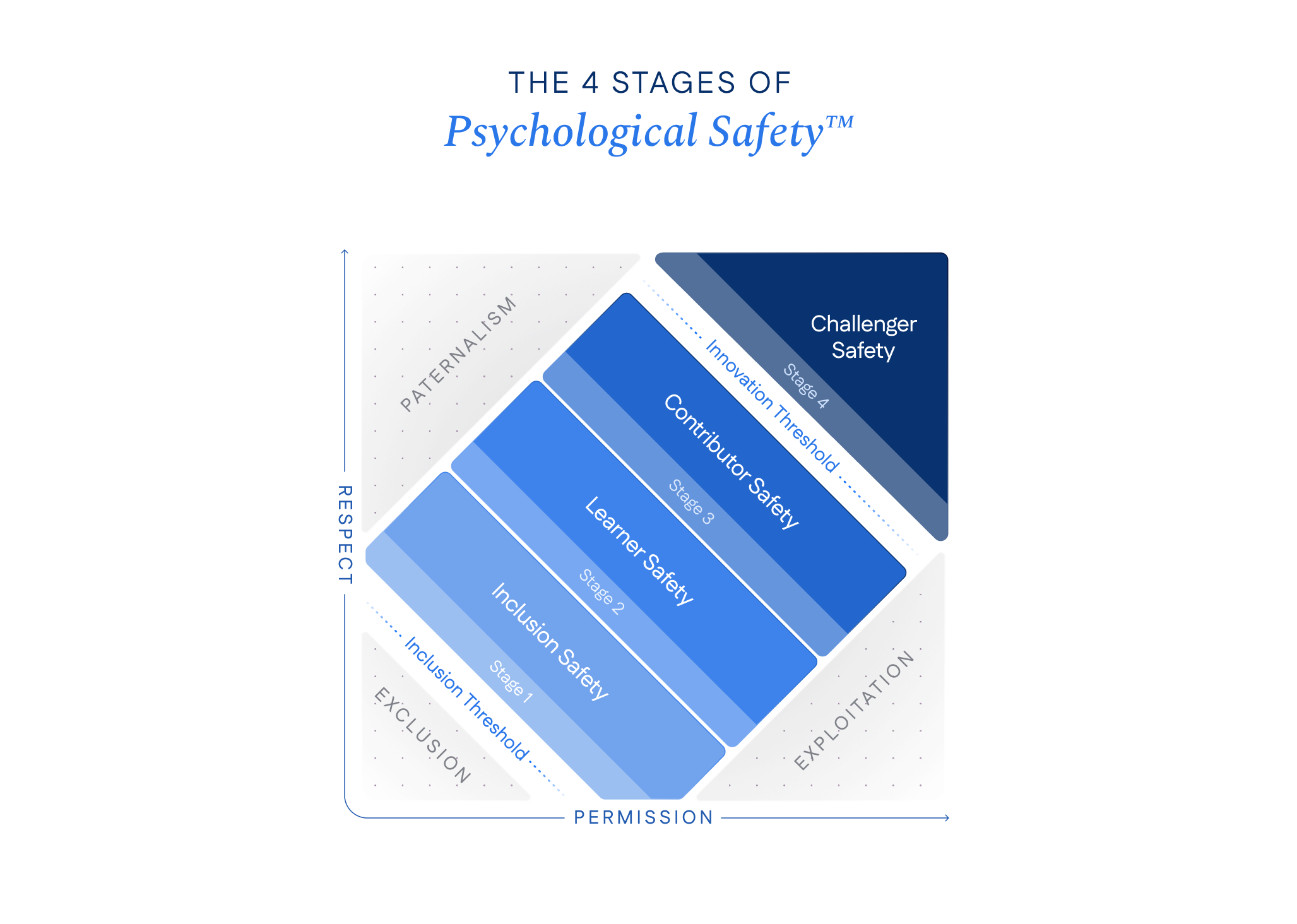
Notice what the specimen doesn’t contain: courses, books, conferences, or a competency wheel. Those can support a plan; they cannot be one. Notice also its most unusual line — the team is told — which converts development from a private project into a small public act of learner safety, and reliably improves both the feedback and the team’s own permission to grow.
Keeping it alive
The document survives on cadence: a short weekly self-check (did the reps happen?), a monthly review with whoever holds the support role, and the quarterly verdict — graduate the behavior to maintenance, redesign the stalled practice, admit the abandoned one, and pull the next behavior from the baseline evidence. Plans die of silence, not failure; a stalled quarter reviewed honestly is the system working.
Two boundary notes. First, an individual plan and an organizational program are different instruments that compound together — if your company runs one, your plan should slot into its cohorts and instruments rather than parallel them (how to create a leadership development program is the org-side view, and leadership development goals offers a menu for component 2). Second, if you have no baseline evidence at all, get some before writing anything — a plan built on self-perception develops the wrong leader with great discipline.
Write yours this week, and hold it to the specimen’s standard: one page, behaviors a witness could verify, venues already on your calendar, and a definition of done dated ninety days out. The plan isn’t the growth. It’s the structure that makes the growth checkable — which, for leadership, is the part that was always missing.
Frequently asked questions
- What is a leadership development plan?
- A leadership development plan is an individual's written commitment for growing as a leader over a defined period: the behaviors to build, the evidence they're built on, the practice that will build them, the support recruited, and the checkpoints where progress gets verified. It's a practice contract, not a wish list.
- What should a leadership development plan include?
- Five components: a current-state baseline drawn from real evidence, one to three target behaviors stated observably, a practice design naming where the reps happen in real work, the support cast — feedback sources, a manager or mentor, possibly a cohort — and scheduled review points with a definition of what improvement will look like.
- How do you write a leadership development plan?
- Start from evidence rather than aspiration: feedback, a 360, or an instrument baseline. Translate the biggest gap into one or two observable behaviors, design weekly practice into meetings and decisions you already have, recruit named people for feedback, and set a 90-day review. One page is the right length.
- How often should you update a leadership development plan?
- Review monthly, revise quarterly. The monthly check keeps practice honest — did the reps happen, what did they produce — while the quarterly review is where behaviors graduate to maintenance, stalled practices get redesigned, and the next development target enters. A plan updated less often than quarterly is usually already abandoned.
- What are good leadership development plan goals?
- Behavioral ones, verifiable by other people: run every 1:1 with a question before an answer, state decision criteria aloud before deciding, deliver one piece of specific feedback weekly. Goals phrased as traits — become more strategic, communicate better — can't be practiced on a Tuesday or verified by anyone.