





How to create a leadership development program that holds
How to create a leadership development program: anchor to a business problem, define behaviors, baseline, design around practice, and measure at day 90.
How to create a leadership development program is usually answered with a curriculum question — which topics, which content, which vendor — and that ordering is precisely how organizations end up with well-attended programs that change nothing. Content is the fifth decision. The four ahead of it determine whether the program will ever be able to prove it worked, and they’re cheap to get right at the start and nearly impossible to retrofit. Here’s the build sequence, honestly ordered.
Start from a business problem, not a curriculum
A leadership development program exists to change how specific leaders behave so that something in the business improves. Write that sentence for your program — we’re developing [which leaders] so that [which business outcome] — before anything else, because every later decision inherits from it. “Develop our mid-level managers so decisions stop escalating to directors” designs one program; “give high-potentials leadership exposure” designs an expensive gesture. If you can’t finish the sentence, the program isn’t ready to design; the diagnosis is (why leadership development matters covers the case-making, and leadership training topics maps problems to skills).
Translate the problem into behaviors
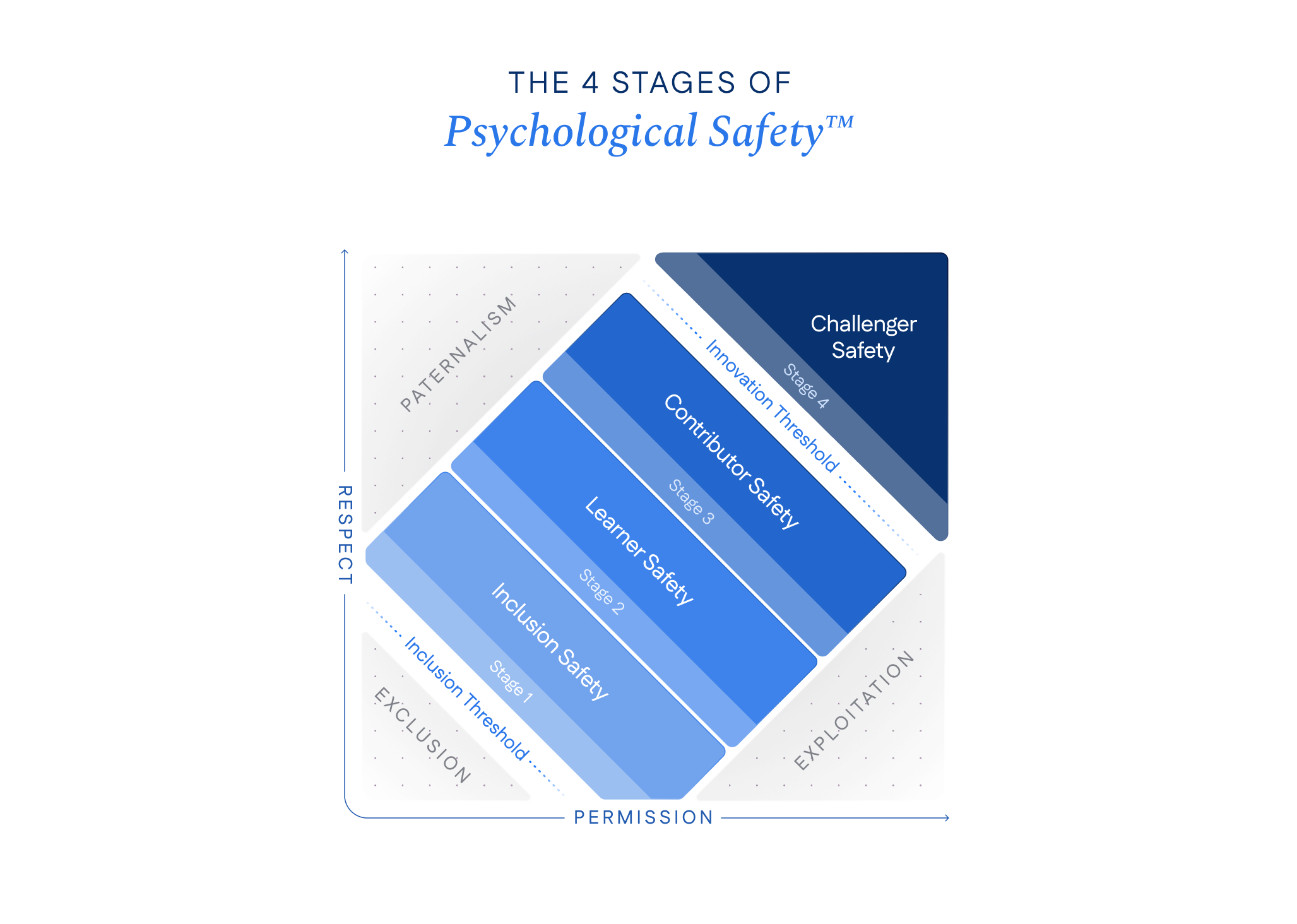
The pivotal step, and the one most programs skip: convert the outcome into a short list of observable behaviors per leader level. Not competencies-as-adjectives (“strategic agility”) — behaviors a colleague could witness: runs decisions through explicit criteria; asks before telling in 1
; surfaces bad news within a day. This list is the program’s constitution. Content gets selected to build these behaviors, practice gets designed to rehearse them, and the instrument gets chosen to measure them. Without it, the program is a mood.Then baseline before you build. Measure the target behaviors with a real instrument — the leadership assessment landscape maps the families — so the program starts from evidence and can end with proof. A baseline collected after launch is a receipt written after the sale.
Design around practice, using 70-20-10 honestly
The 70-20-10 rule — development comes ~70% from challenging real work, ~20% from other people, ~10% from formal coursework — is folklore dressed as arithmetic, and directionally right anyway. The ordering is the lesson: real work first, relationships second, courses last. Most programs invert it, because coursework is the easiest part to buy and schedule.
Practically, designing around practice means: every cohort session ends with a rep to run on the leader’s actual team before the next one; peer cohorts that create accountability for the reps; managers of participants briefed to reinforce (the 20% almost every program wastes); and content — the 10% — chosen because it serves the behavior list. This is also where framework choice earns its keep: a named, shared model gives a cohort common language, and common language is what lets leaders coach each other after the program ends.
The two decisions the guides skip
Budget shape matters more than budget size. The classic failure allocation spends nearly everything on content and delivery, and rounds practice support, manager reinforcement, and measurement to zero — buying the 10% lavishly and starving the 90%. Whatever your total, protect the unglamorous lines: instrument administration, facilitation of practice cohorts, and the re-measure. A smaller program with the full loop beats a bigger one that’s all library (build vs. buy and off-the-shelf vs. custom cover the sourcing economics).
Mid-size organizations shouldn’t miniaturize enterprise designs. The published case studies are Amazon-scale; a 400-person company copying them builds governance for cohorts it doesn’t have. The mid-size version keeps the loop and drops the apparatus: one behavior list, one cohort of 8–15, licensed frameworks rather than custom builds, the CEO participating rather than sponsoring from a distance. Executive involvement, at that scale, is not a kickoff video — it’s a seat in the cohort, and it’s worth more than the rest of the budget.
Run, measure, and let the second cohort inherit
Launch smaller than ambition suggests: one cohort, full loop, visible support. Re-measure at day 90 against the baseline and read the results as behavior change, not satisfaction. Then let cohort two inherit everything cohort one taught you — which practice reps landed, where managers reinforced or didn’t, which behaviors moved and which need different work. A leadership development program isn’t a launch; it’s an operating rhythm the organization keeps (corporate leadership training covers the provider side of sustaining one, and each participant’s individual development plan is the personal layer inside it).
It’s a Thursday in May at a regional bank in Des Moines, and the head of HR is presenting the day-90 results of the smallest leadership program the executive team has ever approved: eleven branch managers, one behavior list three items long, a licensed coaching framework, baseline in January. Escalations to regional directors are down by a third, and she can show which three behaviors moved on the instrument and which one didn’t. The CFO, who cut the original forty-manager proposal to eleven, asks what a second cohort costs. That’s the sequence working: not a bigger launch — a program that earned its own expansion, with evidence.
Start yours with the sentence: which leaders, so that what. Everything else is downstream.
Frequently asked questions
- How do you create a leadership development program?
- In sequence: anchor the program to a business problem, translate it into named behaviors for specific leader levels, baseline those behaviors with an instrument, design around practice in real work rather than content consumption, secure visible executive participation, run in cohorts, and re-measure. Content selection comes surprisingly late.
- What should a leadership development program include?
- A named framework that gives leaders shared language, practice applied to each leader's actual team and problems, peer cohorts for accountability, manager involvement for reinforcement, and an instrument with a baseline and re-measure. Programs missing the measurement piece can't ever demonstrate they worked.
- What is the 70-20-10 rule in leadership development?
- A design heuristic holding that development comes roughly 70% from challenging real work, 20% from other people (coaching, feedback, peers), and 10% from formal coursework. The numbers are folklore more than science, but the ordering is sound: programs built mostly of coursework invert the ratio and underdeliver.
- How much does a leadership development program cost?
- Cost follows design choices: audience size, cohort versus self-paced mix, licensed versus custom content, internal versus vendor facilitation. The budgeting discipline that matters more than the total is allocation — funding practice, reinforcement, and measurement, not just content, since content-only spending produces completions rather than change.
- How do you measure a leadership development program?
- Baseline the target behaviors before launch, re-measure after a practice window (day 90 is a sound rhythm), and read results as behavior change against your own baseline. Completion rates and satisfaction scores measure logistics and mood; only a behavioral instrument measures whether leadership actually changed.