





Build vs. buy training: the costs nobody itemizes
Build vs buy training decided on the real drivers: content uniqueness, internal capacity, maintenance, and measurement — plus the certify-your-team hybrid.
Build vs. buy training gets decided, in most organizations, by whichever fact is loudest in the room — “we have trainers on staff” (build) or “we don’t have time” (buy) — and both shortcuts routinely purchase the wrong answer. The decision has real structure: two questions that sort most cases, two costs that internal builds systematically hide, and a hybrid in the middle that the binary framing misses entirely. Here’s the whole map, itemized.
The two questions that do the sorting
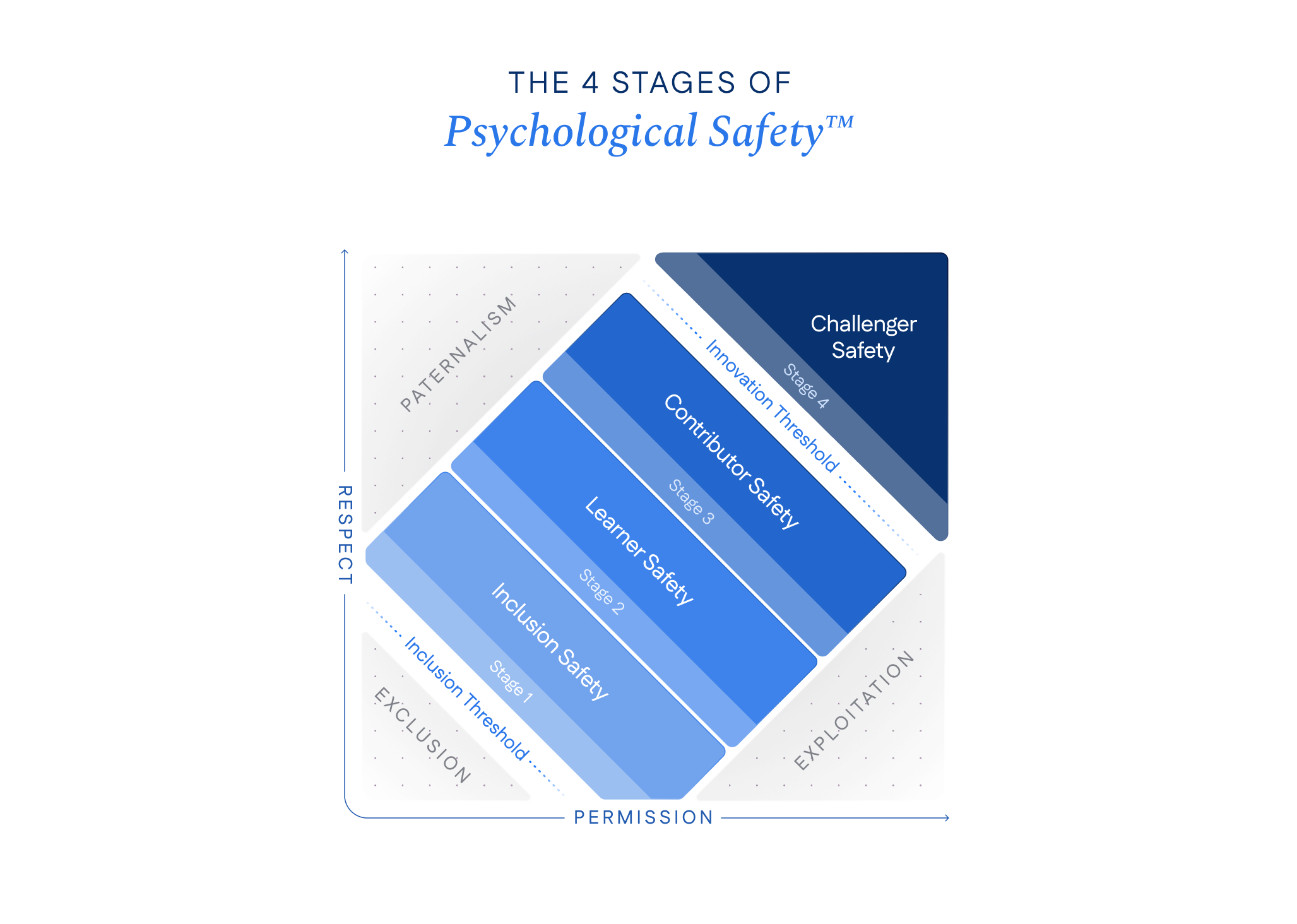
How unique is the content to you? Training splits into capability that’s genuinely proprietary — your systems, your methodology, your regulatory posture, the way this company runs deals — and capability that’s common across organizations: leadership, coaching, psychological safety, decision-making, communication. Proprietary content favors building, because no vendor knows it and the act of building is partly how it stays yours. Common capability favors buying, for a reason buyers underweight: a proven program arrives with a decade of refinement, an established framework, and an instrument with a track record. Rebuilding psychological safety in-house means spending scarce design capacity to produce a less-evidenced version of something that already exists.
Do you have genuine capacity — not headcount, capacity? An L&D team that can facilitate is not automatically a team that can do instructional design, assessment construction, and content maintenance. The build decision assumes all four capabilities, sustained for years. Count honestly.
The two costs internal builds hide
Build proposals get priced on development hours, and development is the cheap part. What accumulates afterward is:
Maintenance. Internally built content decays — the org chart changes, the examples age, the module referencing last year’s strategy quietly becomes wrong — and unlike a vendor, nobody’s business model depends on refreshing it. Most internal builds are maintained the way most wikis are: enthusiastically for six months, then archaeologically. Budget the refresh cycle at the start or admit you’re building disposable content.
Measurement. The assessment layer is the build decision’s buried body. Purchased programs of quality arrive with instruments: something that baselines the capability and re-measures it, with enough history to make the numbers mean something. Building that internally is a specialized discipline — item design, scoring, benchmarking — that almost no L&D team staffs. So internal builds default to completion rates and reaction surveys, which means the organization spends more to know less about whether it worked. If behavior change is the goal, the measurement question alone often decides build-vs-buy before anything else gets discussed.
The hybrid the binary misses
Between build-everything and outsource-everything sits the model that fits more organizations than either pole: license the proven program, and certify your own people to deliver it. Certification keeps what buying is good at — the refined framework, the established instrument, the practice architecture — and adds what building was really after: internal delivery capacity, cultural fluency in the room, and per-cohort economics that improve with scale. Your facilitators, their engine.
One boundary keeps any model honest, hybrid included: you can outsource delivery, design, even measurement — you cannot outsource accountability for whether behavior changed. A vendor can be responsible for the program; only you can be accountable for the outcome, and arrangements that blur that line produce mutual disappointment on a schedule.
The decision in the wild
It’s a Thursday in January at a property-and-casualty insurer in Columbus, and the head of talent development is unwinding a build decision made three years ago. The internal leadership academy — eleven modules, built by a team of four over eighteen months — was genuinely good when it launched. Today: two of the four builders have left, six modules reference a divested business unit, the “temporary” measurement plan (completion plus a satisfaction survey) is still the measurement plan, and refreshing it all is nobody’s objective. Meanwhile the proprietary underwriting curriculum built by the same team is thriving, because it teaches something no vendor could and the business updates it out of self-interest. Same team, same era, opposite outcomes — and the difference was never build quality. It was that one capability was actually theirs to build, and one never was. Her replacement plan runs the split deliberately: keep building proprietary, buy the common leadership capabilities with instruments attached, and certify internal facilitators to deliver them.
Running your own version
Inventory your training portfolio against the two questions, and expect the honest answer to be a split, not a side: build the proprietary, buy the common, certify where scale and facilitator strength justify it. The adjacent decisions have their own guides — off-the-shelf vs. custom for what happens after “buy,” custom corporate training programs for when the answer is a purpose-built program, and enterprise considerations at scale. If the sorting itself is the hard part, a scoping conversation that pressure-tests the problem before proposing anything is the right first call.
Then, whatever you decide, write the maintenance owner and the measurement plan into the decision document — the two lines whose absence you’d otherwise be reading about in three years.
Frequently asked questions
- Should you build or buy corporate training?
- Two questions decide most cases: how unique is the content to your organization, and does your team have genuine capacity to build and maintain it? Buy proven programs for common capabilities like leadership skills; build internally for proprietary, culturally-embedded content; and consider certification models that put purchased programs in internal hands.
- What are the hidden costs of building training internally?
- Maintenance and measurement. Internally built content decays without scheduled refresh cycles, and the assessment layer — instruments, baselines, benchmarks — is a specialized discipline most L&D teams can't staff. Builds get priced on development hours; what actually accumulates is the upkeep and the proof nobody budgeted.
- When does buying training make more sense than building?
- When the capability is common rather than proprietary — leadership, coaching, psychological safety, decision-making — a purchased program arrives with a refined framework, an established instrument, and evidence from other organizations. Rebuilding a well-understood capability internally spends scarce L&D capacity to produce a less-proven version of something that exists.
- What is a certification or train-the-trainer model?
- A hybrid: license a proven program and certify your internal facilitators to deliver it. You keep the evidence base, the framework, and the instruments, while gaining internal delivery capacity, cultural fluency, and lower per-cohort cost at scale. It fits organizations with strong facilitators and common capability gaps.