
Invite the quietest voice first.
When we open a discussion, I will ask the quietest person for their take before I share mine.
How consistently did you invite the quietest voice this week?
12/30 days complete 2/5 active weeks Checked in

 The 4 Stages of Psychological Safety™
  The 6 Domains of Emotional Intelligence™
  Coaching & Accountability Matrix™
  EPIC Change & Transformation™
  DECIDER Critical Thinking™
  Team Cohesion & Performance™
  Leading Through AI™
Psychological Safety · The 4 Stages of Psychological Safety™
Every unasked question and unspoken objection is performance you’re already paying for. The 4 Stages™ builds a culture where questions, mistakes, ideas, and dissent survive contact with the room, stage by stage.
Before you scroll
Eight questions and we’ll tell you. You’ll get a read on where your team is stuck, why, and the format we’d recommend. Skip it if you want; the full page is below.
Inclusion Safety
Everyone on my team is accepted for who they are — no one has to earn basic respect.
Learner Safety
People ask questions and admit mistakes in the open, without worrying how it looks.
Contributor Safety
People run with meaningful work — they don’t wait for permission to contribute.
Challenger Safety
Anyone can challenge how we do things — even when it means disagreeing with the boss.
Your goal
Why are you interested in Psychological Safety?
Scope
Who is this for?
Delivery
How do you picture it running?
Fit
How custom to your organization does this need to be?
Your read
Your format
Off the shelf fits you.
The Psychological Safety course as it ships — the same curriculum, assessment, and tools you can see in the demo below.
Preview the course →Off the shelf, tuned to your needs.
The standard program with tuning — cohorts, sequencing, and delivery matched to how your org actually runs. That’s a conversation, not a form.
Talk with us →A custom build.
Your content and brand on our instructional system and platform — see how custom courses come together.
See custom builds →Start with the free resources.
For your own development, the free path goes deep — field guides, the podcast, and course previews, no purchase required. When you’re ready to bring it to a team, we’re here.
See the free resources →Certifying your own facilitators? See how certification works.
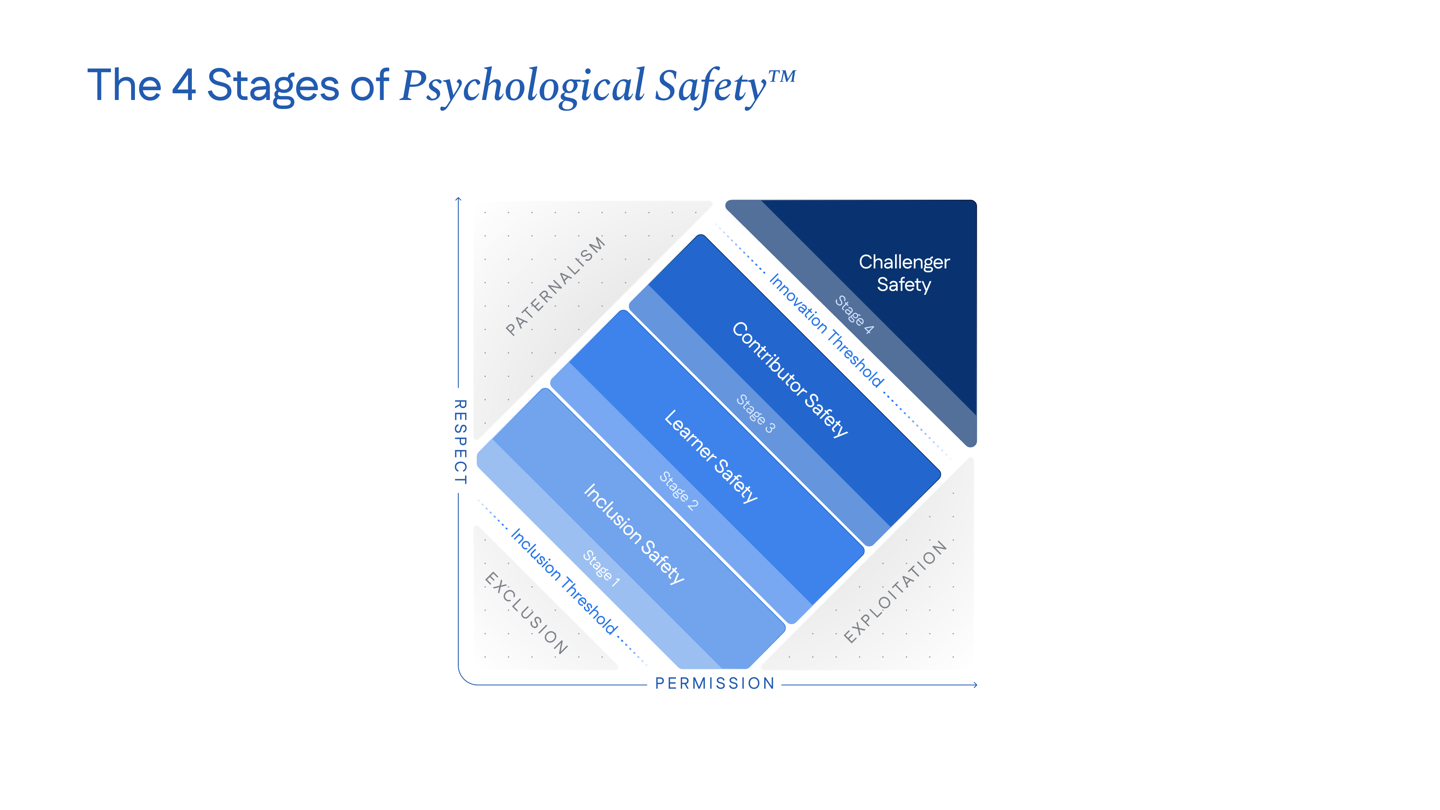
Move your team from inclusion to innovation across four sequential stages. The model is the diagnosis, the curriculum, and the shared language.
The 4 Stages ofPsychological Safety™
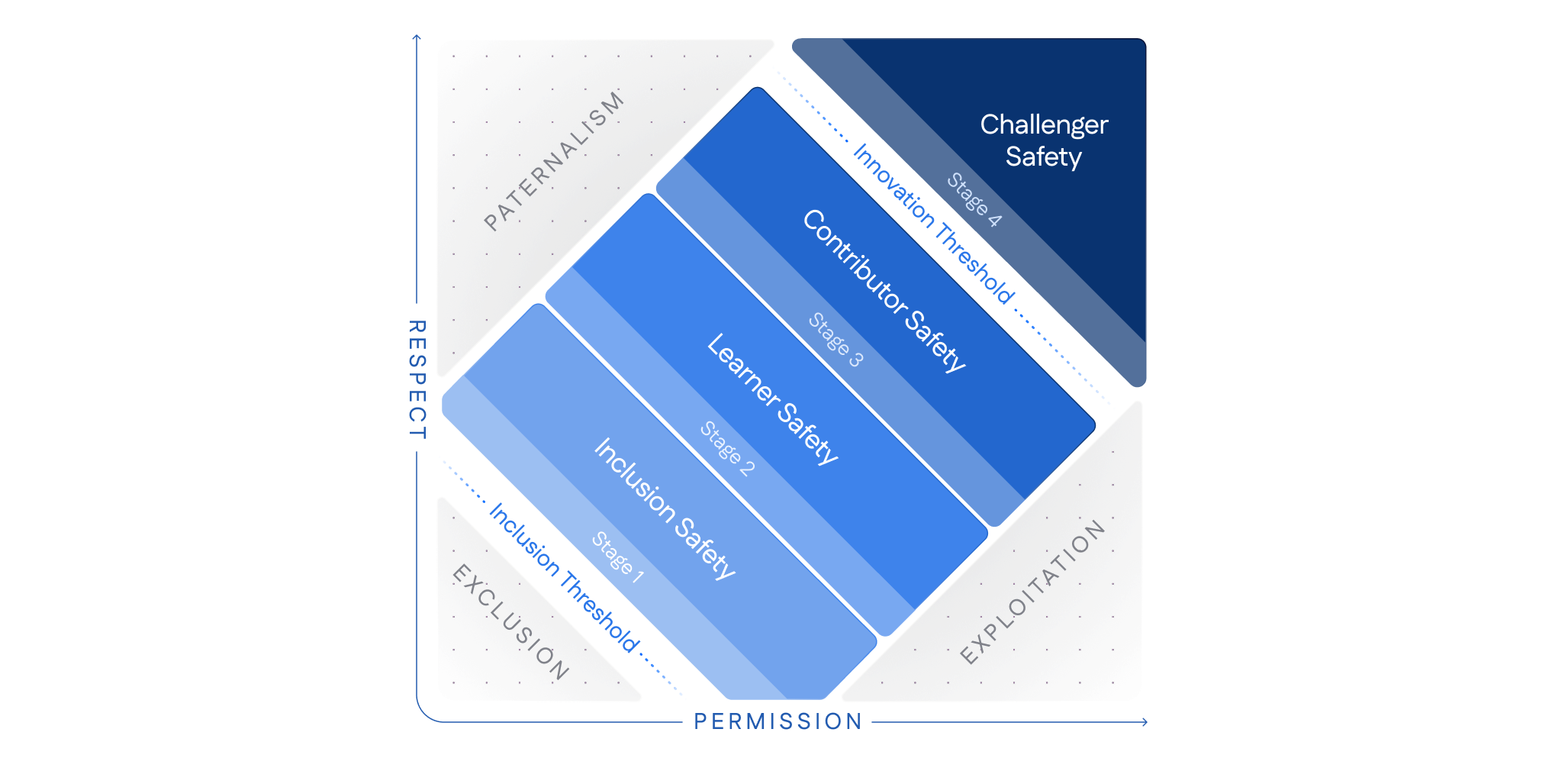
Inclusion Safety
You're accepted for who you are. The floor everything else is built on.
Learner Safety
You can ask questions, give wrong answers, and grow in public.
Contributor Safety
You're trusted to do real work with real autonomy.
Challenger Safety
You can challenge the status quo — up, down, and sideways — without retaliation.
Pre-work: measure your baseline
Before the cohort meets, each participant takes the PSindex® multi-rater assessment and works through self-paced micro-learning to set a starting line.
Culture by design
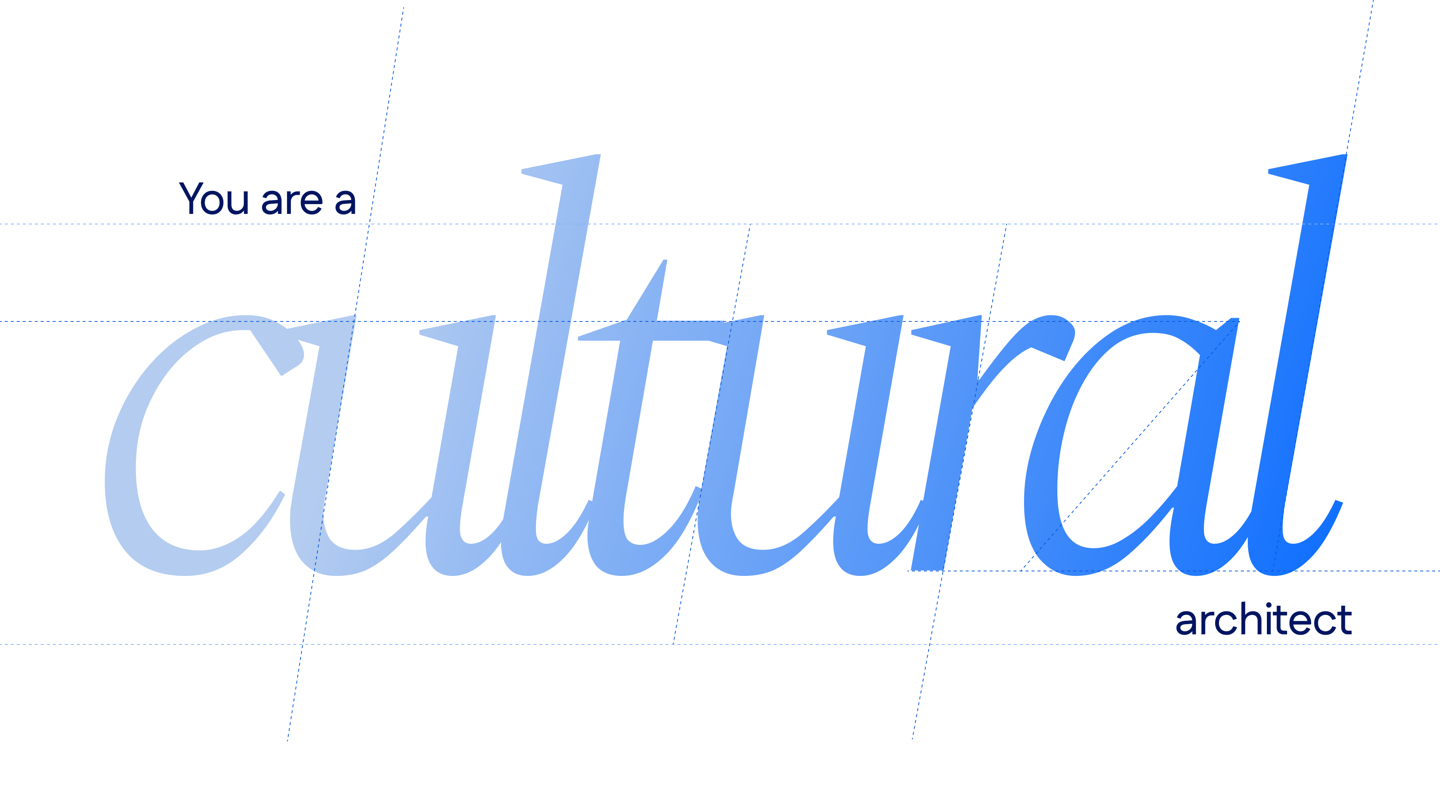
Name yourself as a cultural architect and choose to shape your team's culture on purpose instead of by default.
What psychological safety is — and is not
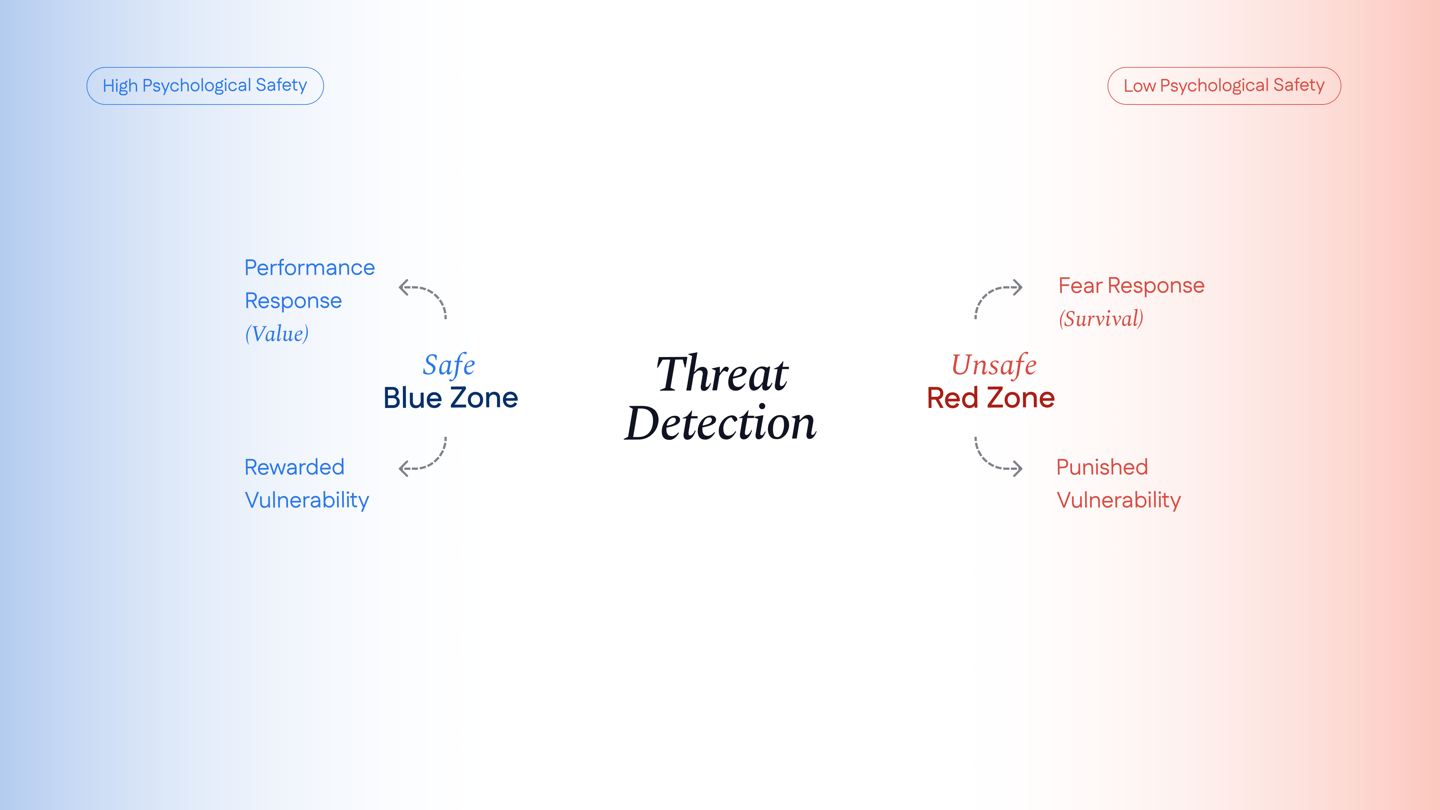
Define safety as a culture of rewarded vulnerability, and clear away the myths that it means niceness, coddling, or a shield from accountability.
Walking the four stages
Move stage by stage through inclusion, learner, contributor, and Challenger Safety, with the behaviors that build each one mapped to your PSindex® results.
Avoiding the failure patterns
Spot paternalism and exploitation early, and keep both respect and permission high so dissent and innovation can surface.
Action planning and re-measure
Commit to specific behaviors per stage, apply them in the flow of work, then re-take the PSindex® to see the change.
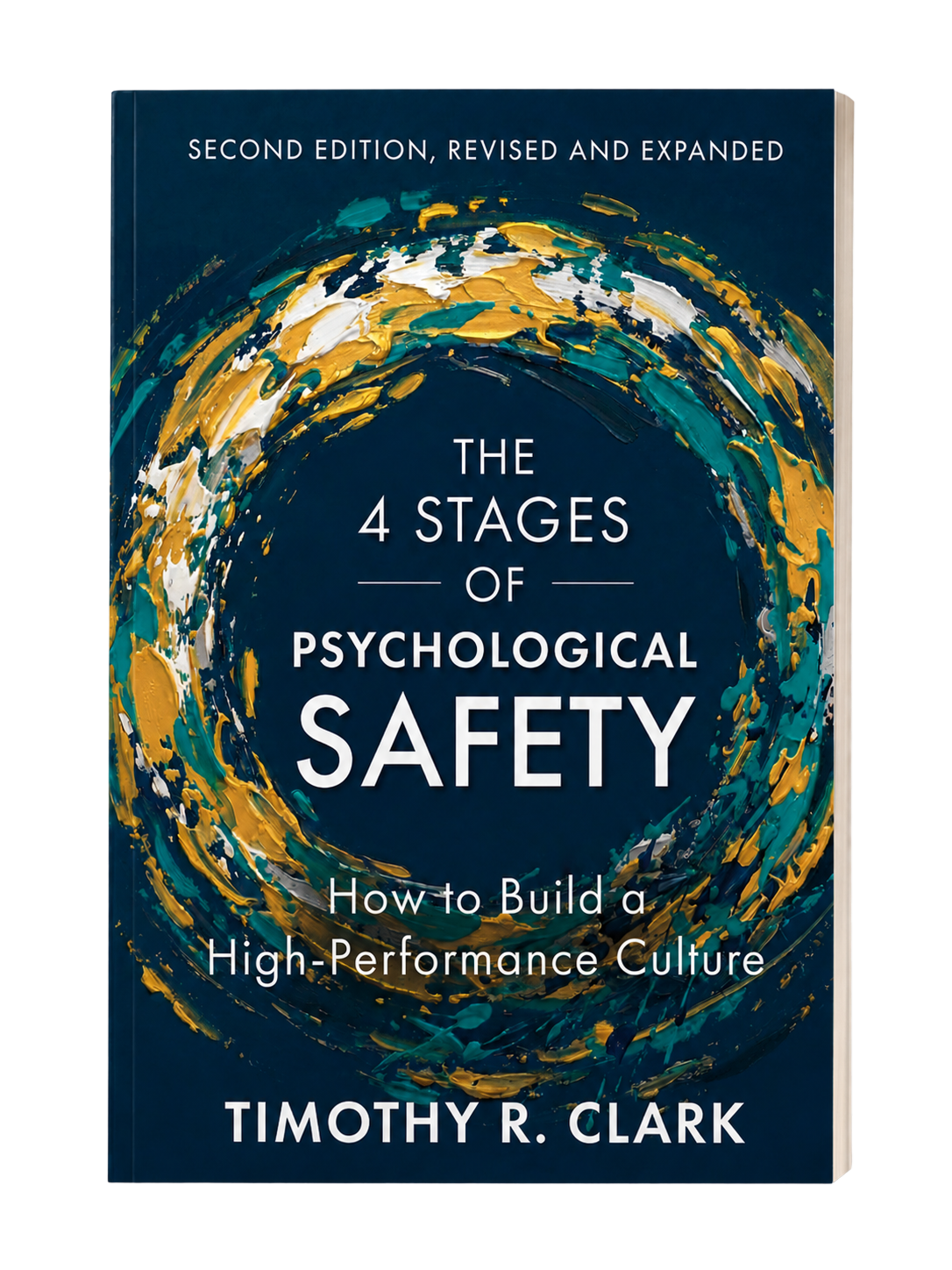
By Dr. Timothy R. Clark
The 4 Stages of Psychological Safety™ began as Dr. Timothy R. Clark’s bestselling book — now in its expanded second edition. The course teaches the same framework, with the instrument and tools a book can only describe.
The course isn’t content — it’s a sequence. Each stage does something the next one depends on.
Assess
See it before you change it.
Development starts from the truth, not a hunch. Every learner baselines with PSindex® — where they’re strong, where they’re stuck — so the course lands on a real gap instead of a generic lesson.
Learn
Learn it against your own results.
Lessons tie the framework to the learner’s own scores, and built-in reflection does the encoding — people remember what they connect to their own team, not what they’re told.
Commit
Practice until it’s habit.
Knowing doesn’t change behavior — practice does. Learners leave with “when X, I will Y” commitments and a weekly consistency check-in, thirty days at a time, until it’s habit.
Built for L&D and HR leaders evaluating for their organization: a one-hour live session with our team, plus a free Access Pass to experience the real thing yourself — your actual results, not a sample.
Click through what a learner experiences — and what your facilitators and admins run.
Day 0 Take PSindex® — self and external raters. Truth first, not a hunch.
Everyone on my team is accepted for who they are — no one has to earn basic respect.
Facilitator certification
Keep going to complete your certification.
Facilitator resources
Program roadmap · FY26
Upcoming
Also scheduled: People leaders · wave 2 (140 · live-virtual · Q3) and All teams (900 · on-demand · Q4).
Delivery · people leaders, wave 1
Live-virtual
Next session Thu · 32 enrolled
Facilitated by your certified team
In person
On-site workshop · Oct 12
Your facilitators or LeaderFactor experts
On-demand
210 active learners
Self-paced, same curriculum and assessment
Presenter mode
Presenting · live-virtual
Introduction · Lesson 6
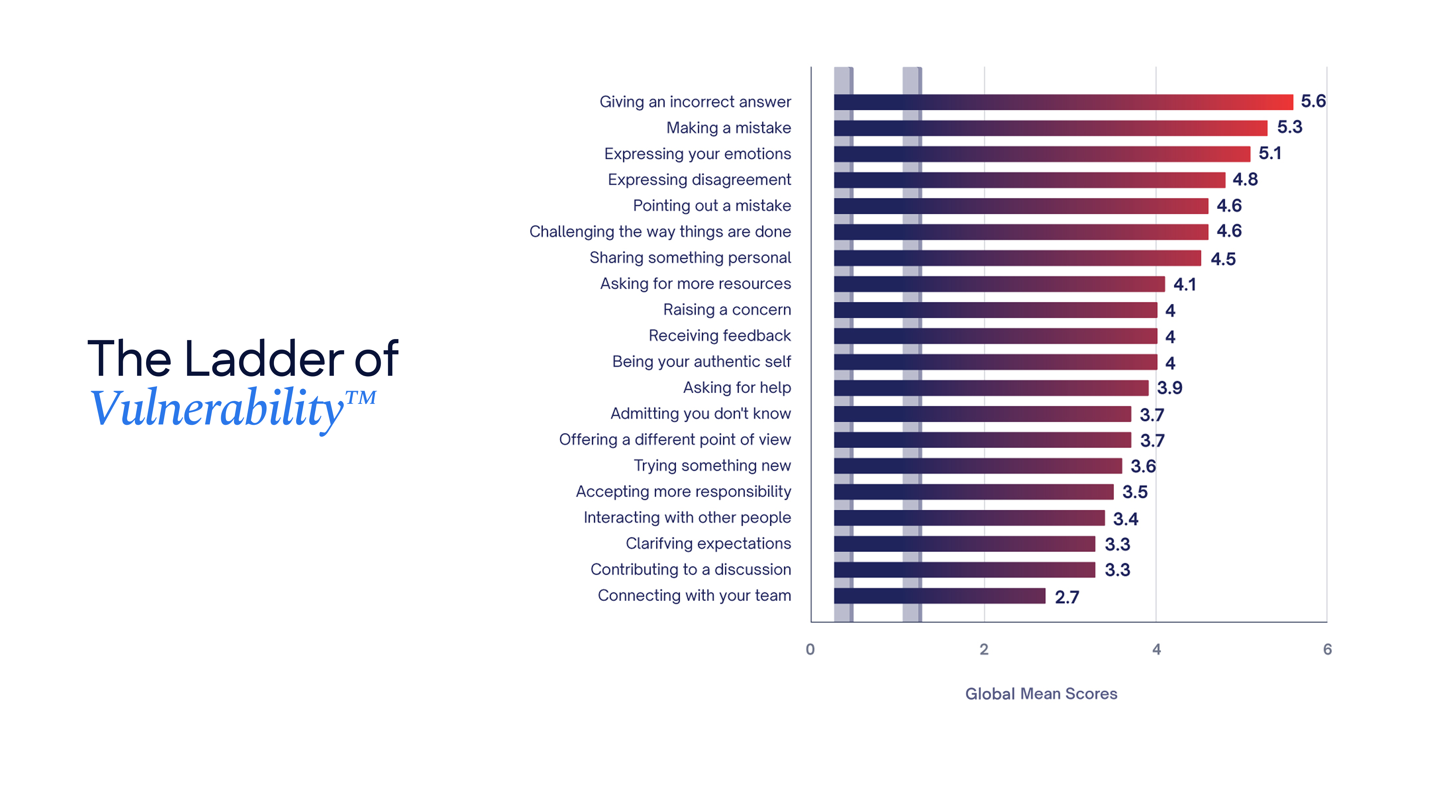
Why safety is built on rewarded vulnerability
Reward vulnerability and you get more of it. Punish it once and it quietly disappears.
When did someone on your team take a risk by speaking up — and what did you do next?
In last week’s retro, Maya flagged that our estimates were consistently optimistic. I thanked her in front of everyone and we changed the process — first time anyone’s challenged a team norm out loud.
Reward the next person who surfaces a problem — out loud, in the moment, in front of the team.
PSindex® · individual
Dimension breakdown · in stage order
Do I help others feel included?
You and your raters see this the same way.
Sub-dimensions
Do I help others feel safe to learn?
You rate this higher than others experience it — start here.
Sub-dimensions
Do I help others feel safe to contribute?
Others experience this more strongly than you give yourself credit for.
Sub-dimensions
Do I help others feel safe to challenge the status quo?
You and your raters see this the same way.
Sub-dimensions
In their words · qualitative
“What is one thing preventing people from learning on this team?”
Questions get answered, but the tone makes you think twice before asking the next one.
Mistakes get fixed quietly instead of talked about.
“What should this leader keep doing?”
Giving real ownership. You get trusted with the whole problem, not just the task.
Illustrative sample data, normalized to 0–100 for display — each instrument reports on its own scale.
In the flow of work
Invite the quietest voice first.
When we open a discussion, I will ask the quietest person for their take before I share mine.
How consistently did you invite the quietest voice this week?
Reward the messenger.
When someone surfaces a mistake or bad news, I will thank them for surfacing it before we talk fixes.
How consistently did you reward the messenger this week?
Start working on a new commitment
You have 12 planned skills — time to get started.
Planned commitments
Saved for later. When you're ready, move one to your plan. Psychological Safety 56/100 Emotional Intelligence 58/100 PSindex® · aggregate reporting
Pre / post by stage
Baseline 90-day BenchmarkBenchmark = the PSindex® research base across participating organizations.
Participation & engagement
474 invitedBy cohort
4 cohorts · 3 modalitiesIllustrative sample data, normalized to 0–100 for display — each instrument reports on its own scale.

A large US health system
$20.50 back for every dollar invested.
Read the storyA global data-center services provider
Challenger Safety, up 61%.
Read the storyA $40B+ semiconductor leader
A movement, not a program.
Read the storyA global diagnostics leader
From 48 to 64 — on measurement alone.
Read the storyCertification
Certify your own people once, and deliver it to every Access Pass cohort on your own cadence — same curriculum, decks, and facilitator resources our experts use.
One pass per learner covers the whole system for this skill — assessment, course, tools, and reporting. Certification and delivery options layer on top.
Full Access Pass details
Field guide
7 Things Psychological Safety Is Not
The fastest way to clear the myths — niceness, coddling, lowered standards — before your next leadership conversation.
Read the guide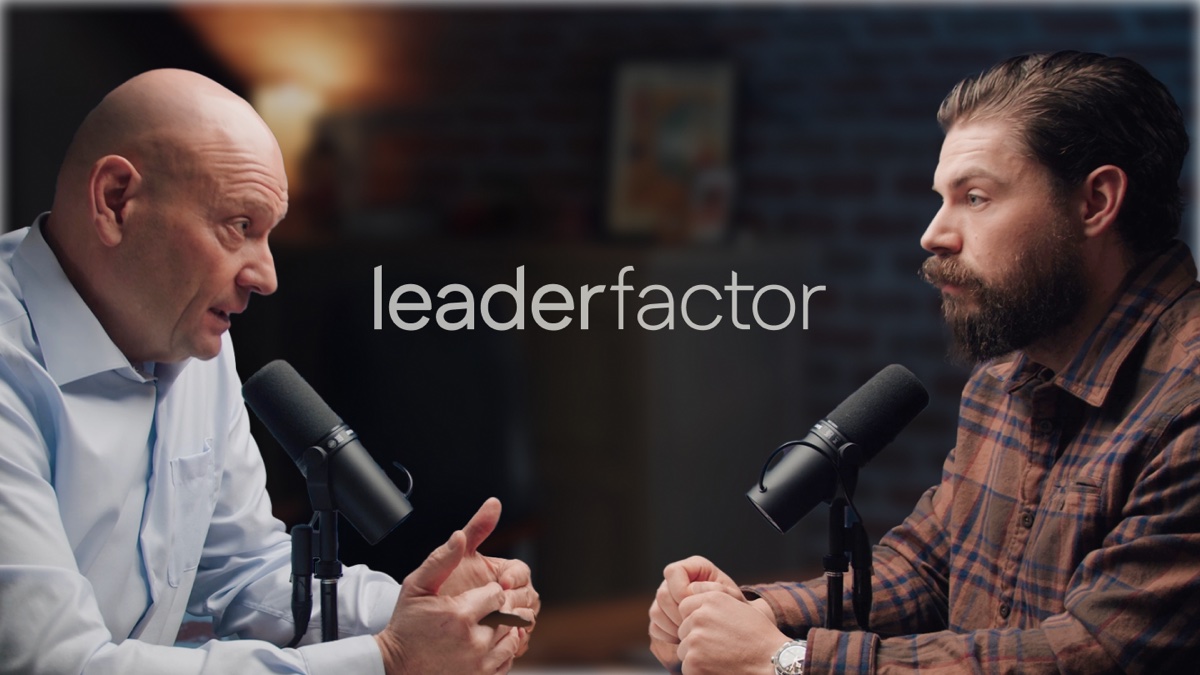
Podcast
The Leader Factor
Dr. Tim Clark and Junior on the frameworks behind the work — weekly, candid, and free.
Listen inLibrary
All field guides
Every downloadable guide across the seven skills — no email wall on the reading.
Browse the libraryPsychological safety training teaches leaders and teams how to build a climate of rewarded vulnerability — where people can ask questions, admit mistakes, contribute ideas, and challenge the status quo without fear of being embarrassed or punished. This program is built on Dr. Timothy R. Clark's The 4 Stages of Psychological Safety™: teams baseline on the validated PSindex® assessment, practice the behaviors that build each stage, and re-measure the change.
Culture training builds the shared behaviors that shape how a team actually works — what gets said, challenged, and rewarded. Psychological safety is the foundation the rest of workplace culture training stands on; without it, values statements stay on the wall. The 4 Stages gives a corporate culture program a concrete starting point — a sequence of observable behaviors and a measurable baseline, instead of an abstract culture deck.
Each cohort baselines on the PSindex® multi-rater assessment, then learns the 4 Stages in a half-day course — live-virtual, in person, or on demand. Over the next 90 days, leaders apply stage-specific behaviors in their real work with action plans and reminders, then re-take the PSindex® to see the change by stage. Managers and intact teams get the most from it; many organizations start with a leadership cohort.
It's a system, not an event. You get Dr. Timothy R. Clark's proprietary 4 Stages framework, the validated PSindex® assessment, and a focus on the specific behaviors that build each stage — a sequenced model with a shared language, not a one-off session your team forgets by Monday.
That's what the measurement is for. Every participant takes the PSindex® up front for a baseline, commits to specific behaviors they practice in real work, then re-takes the PSindex® at 90+ days. You see the change by stage rather than guessing.
Deliver it live-virtual, on-demand, or in-person to fit different teams. The assessment and learning run on leaderfactor.app, with org-level reporting so L&D can administer cohorts and track psychological safety across the enterprise.
Custom builds
Your frameworks, your language, your brand — built into a custom course on the same instructional system, assessment engine, and platform that runs The 4 Stages of Psychological Safety™.
Ninety seconds tells you where to start. A conversation tells you how fast you can get there.
or take the ninety-second intake ↑