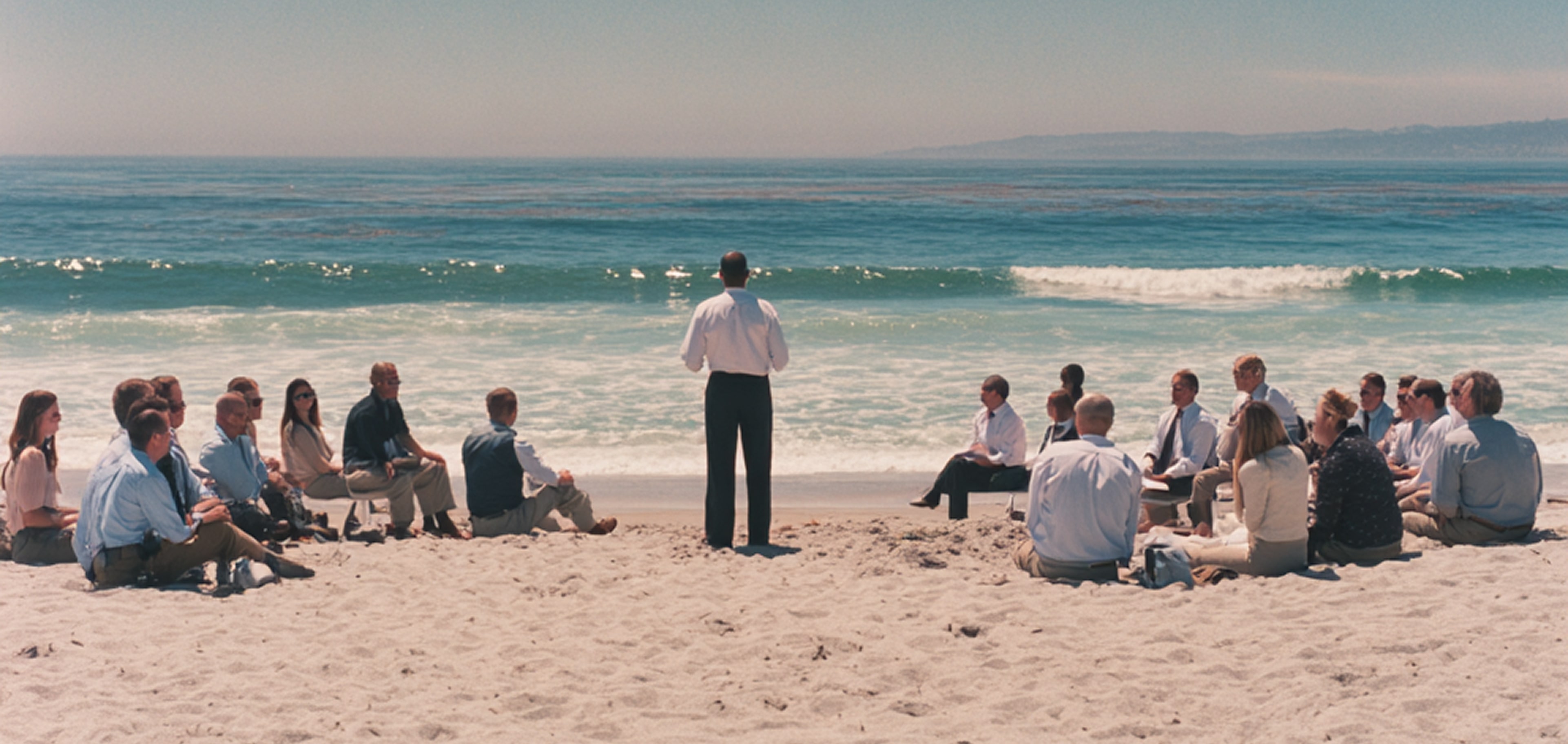
Patrol the Bounds means watching for early signs that people are operating outside sustainable norms. Leaders look for indicators of strain, name them early, and create the structure needed to help the team recover. This approach restores stability without sacrificing momentum.
When leaders patrol the bounds, the team trusts that tough pushes won’t silently erode well-being. They feel safer raising concerns, and the organization maintains performance without burning through people.
Strain compounds quietly. Burnout accelerates. Performance becomes volatile, and culture erodes. Customers feel the inconsistency that comes from teams operating beyond sustainable limits.
Teams stay durable. Burnout indicators fall, recovery cycles improve, and post-change performance rebounds faster. People trust leadership because well-being is protected, not sacrificed.
A VP noticed her team pushing into unsustainable hours during a major transition. Instead of ignoring it, she named the strain, rebalanced workloads, and added structured recovery. Performance held steady, and no one burned out during the shift.
See Resilience 200: Lengthen the Pause for managing pressure, Coaching 300: Act and Audit for sustaining performance during heavy pushes, and Change 300: Win in Waves to maintain long-term momentum.