





The Leadership Practices Inventory, independently explained
The Leadership Practices Inventory (LPI): Kouzes and Posner's Five Practices, how the 360 works, what the evidence supports, and where the LPI fits.
The Leadership Practices Inventory, usually shortened to the LPI, is Jim Kouzes and Barry Posner’s assessment built on their Five Practices of Exemplary Leadership® — one of the longest-running behavioral leadership instruments in the field, and one of the strangest to research online. Search the term and nearly everything you’ll find is the publisher’s own material: product pages, distributor sell-sheets, sample reports. That’s not sinister (it’s a trademarked commercial instrument, published by Wiley under The Leadership Challenge brand), but it does mean the neutral explainer barely exists. This is that explainer: what the LPI measures, how it works, what the evidence supports, and where it fits among the alternatives.
The model underneath: the Five Practices
Kouzes and Posner built their framework the empirical way — from thousands of people’s accounts of leadership at its best — and distilled the pattern into five practices:
- Model the Way. Clarify values and act visibly consistent with them; the credibility practice.
- Inspire a Shared Vision. Enlist people in a future worth wanting, in language they can see themselves in.
- Challenge the Process. Seek opportunities, experiment, take sensible risks, and treat failures as learning.
- Enable Others to Act. Build trust and competence in others; make people able, not dependent.
- Encourage the Heart. Recognize contributions specifically and celebrate values-consistent wins.
Two things make the model durable. First, it’s behavioral: each practice resolves into observable actions rather than traits, which is why it could become an instrument at all. Second, it’s leader-development-shaped — the practices read as things to do more often, which matches how the LPI scores.
How the instrument actually works
The LPI is a multi-rater tool in the classic format: the leader completes a self-version, observers (manager, peers, direct reports, others) complete matching observer-versions, and the report contrasts the views practice by practice. The items are behavior-frequency statements — how often does this person do this specific thing — which is the framing worth noticing, because it makes the results coachable. “You score low on Encourage the Heart” is an insult; “observers rarely see you recognize contributions specifically” is a Tuesday behavior with an obvious next rep.
Everything that makes any 360 assessment work or fail applies here in full: rater selection, protected anonymity, development stakes rather than promotion stakes, and — above all — a practice plan attached to the report. The LPI’s own ecosystem (The Leadership Challenge workshops and materials) exists precisely because the publisher knows a report without development attached is shelf-ware.
What the evidence supports, honestly
The LPI’s research trail is long by the standards of commercial instruments: decades of academic use across sectors, a large body of studies, and published reliability figures that are generally solid. That earns it a place in the serious tier of the leadership assessment landscape, alongside instruments like Hogan and apart from the popular-but-questionable tier.
The honest boundaries: the LPI measures the frequency of five practice families as perceived by raters — which is real, useful information, and not the same as measuring leadership effectiveness, predicting executive success, or diagnosing a team’s condition. Frequency perceived is also frequency filtered through rater relationships, like every multi-rater tool. Use it for what it is — a well-evidenced behavioral mirror organized by a coherent model — and it delivers; stretch it into selection or prediction and you’re outside what the evidence carries.
Where the LPI fits, and where it doesn’t
Choose the LPI when the question is “how is this leader’s practice experienced, organized by a development-friendly model?” — it’s among the best-established answers to exactly that. It is not the tool when the question is about traits and dispositions (personality inventories live there), about selection (higher evidentiary bar, different tools), or about the environment a leader produces rather than the leader’s behavior. That last boundary is the one buyers miss most: a leader can score well across all Five Practices while their team stays silent, because rating a person and measuring a room are different constructs. Team-level instruments — LeaderFactor’s PSindex® for psychological safety, COHESIONindex™ for cohesion — point the lens at the room itself.
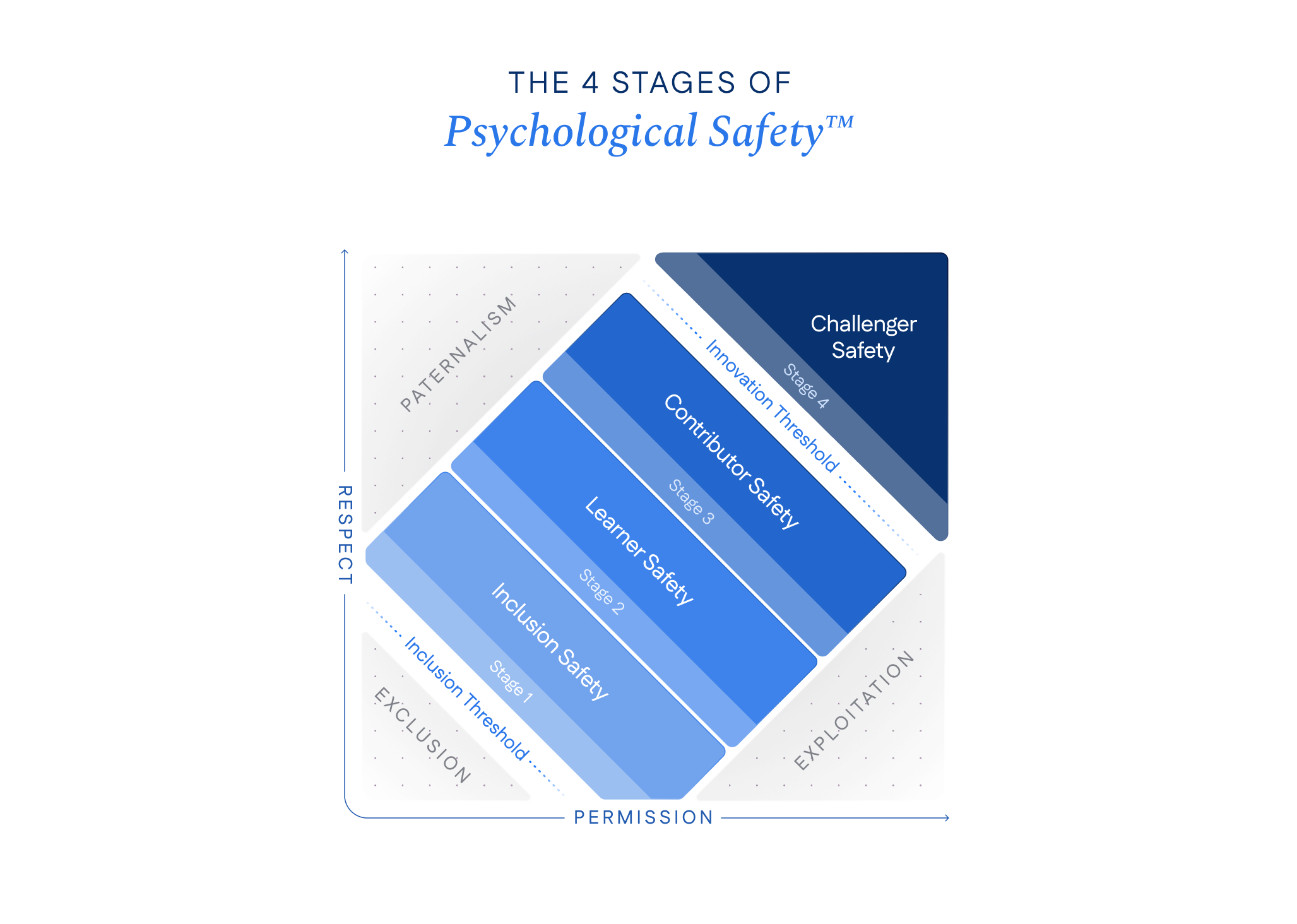
Worth noting for LeaderFactor readers: the LPI’s core philosophy — observable behaviors, frequency-rated, organized by a named framework, feedback in service of practice — is the same philosophy behind LeaderFactor’s own instrument set, applied to different constructs. And the Five Practices’ “Challenge the Process” has a natural cousin in challenger safety: Kouzes and Posner ask whether the leader challenges; the 4 Stages ask whether the leader has made it safe for everyone else to. The second question is usually where the ceiling is.
If you’re evaluating the LPI, the fit test is simple: you want behavioral development feedback for individual leaders, you’ll run it with real 360 discipline, and you’ll attach practice to the report. Say yes to all three and it’s a sound choice with a genuine evidence base. Anything else you’re hoping it will do, ask the harder question first — what exactly needs measuring? — and pick the family that measures it.
Frequently asked questions
- What is the Leadership Practices Inventory?
- The Leadership Practices Inventory (LPI) is Jim Kouzes and Barry Posner's leadership assessment, built on their Five Practices of Exemplary Leadership model. It measures how frequently a leader performs specific observable behaviors, rated by the leader and by observers around them, making it one of the longest-established behavioral 360 instruments.
- What are the Five Practices of Exemplary Leadership?
- Kouzes and Posner's model names five: Model the Way (act consistently with stated values), Inspire a Shared Vision, Challenge the Process (seek and support experimentation), Enable Others to Act, and Encourage the Heart (recognize contributions). The LPI translates each practice into behaviors observers can rate by frequency.
- Is the LPI valid and reliable?
- The LPI has one of the longer research trails in leadership assessment, with decades of academic use and published reliability figures that are generally solid. As with any instrument, validity is strongest for its intended use — development feedback on behavioral frequency — and weakest when scores get stretched into selection or prediction.
- How is the LPI different from other 360 assessments?
- Structurally it works like other multi-rater tools: self-ratings contrasted with observer ratings. What distinguishes it is the model underneath — five named practices built from behavioral research — and its behavior-frequency framing, which asks how often a leader does specific things rather than how good they are as a person.