





High-potential assessment tools: what they can and can't see
High potential assessment tools compared honestly: what HiPo instruments measure, the performance-potential trap, the 9-box, and the condition that hides talent.
High-potential assessment tools promise to answer succession planning’s hardest question: who, in this organization, could run a much bigger job in five years? The market’s answer is a crowded shelf of instruments — SHL, Korn Ferry, Hogan, Mercer, Talogy and a long tail of newer entrants — most built on some version of the same three-factor logic, and most sold with more confidence than the underlying measurement deserves. This is the neutral guide: what these tools actually measure, the sorting mistake they exist to fix, and the environmental factor that quietly corrupts HiPo data before any instrument touches it.
The mistake the whole category exists to fix
Organizations default to promoting their best performers, and the default fails in a specific, expensive way: performance is delivery in the current role, while potential is capacity to grow into a different, larger one. The two correlate far less than intuition insists. Your finest operator may be at the top of their range; the quiet analyst two levels down may have executive capacity nothing in their current job reveals. Promote on performance alone and you convert great operators into struggling managers while your actual future leaders leave for employers who noticed them.
That distinction is the honest core of every HiPo tool, and it’s also the whole logic of the 9-box grid — the 3×3 performance-versus-potential matrix that remains succession planning’s standard sorting instrument, and which, oddly, the vendor content in this category almost never mentions. The 9-box’s virtue is forcing the two axes apart in a talent review. Its vice is the potential axis itself: in most organizations that rating is a manager’s impression wearing a grid’s authority, which is precisely the gap assessment tools sell into.
What the tools measure, and how to read the market
Strip the branding and most commercial HiPo instruments assess a three-factor blend: aspiration (do they want the bigger role, with its costs), ability (can they learn at the rate bigger roles demand), and engagement (will they stay long enough to matter). Vendors differentiate with proprietary models and their own acronyms; when you evaluate them, the useful questions cut under the packaging: What constructs, exactly? Rated by whom — self, manager, or a structured multi-source design? And what evidence connects scores to later leadership success, beyond the phrase “scientifically developed”?
Read vendor claims with the same discipline as any leadership assessment purchase: database size is not validity, and a memorable model is not evidence. The stronger tools in this category do publish real research; the weaker ones borrow the aesthetic. Demand the technical documentation and watch how the vendor reacts — the reaction is itself a data point.
The condition every tool inherits
Here’s the factor the vendor literature skips entirely, and it sits upstream of every instrument you might buy: potential is only measurable where it’s expressible. What does high potential look like day to day? Asking the naive question. Volunteering for the stretch assignment that might fail. Challenging the process a senior person built. Thinking out loud before the thinking is polished. Every one of those is an interpersonal risk, and people take interpersonal risks only where the price is survivable.
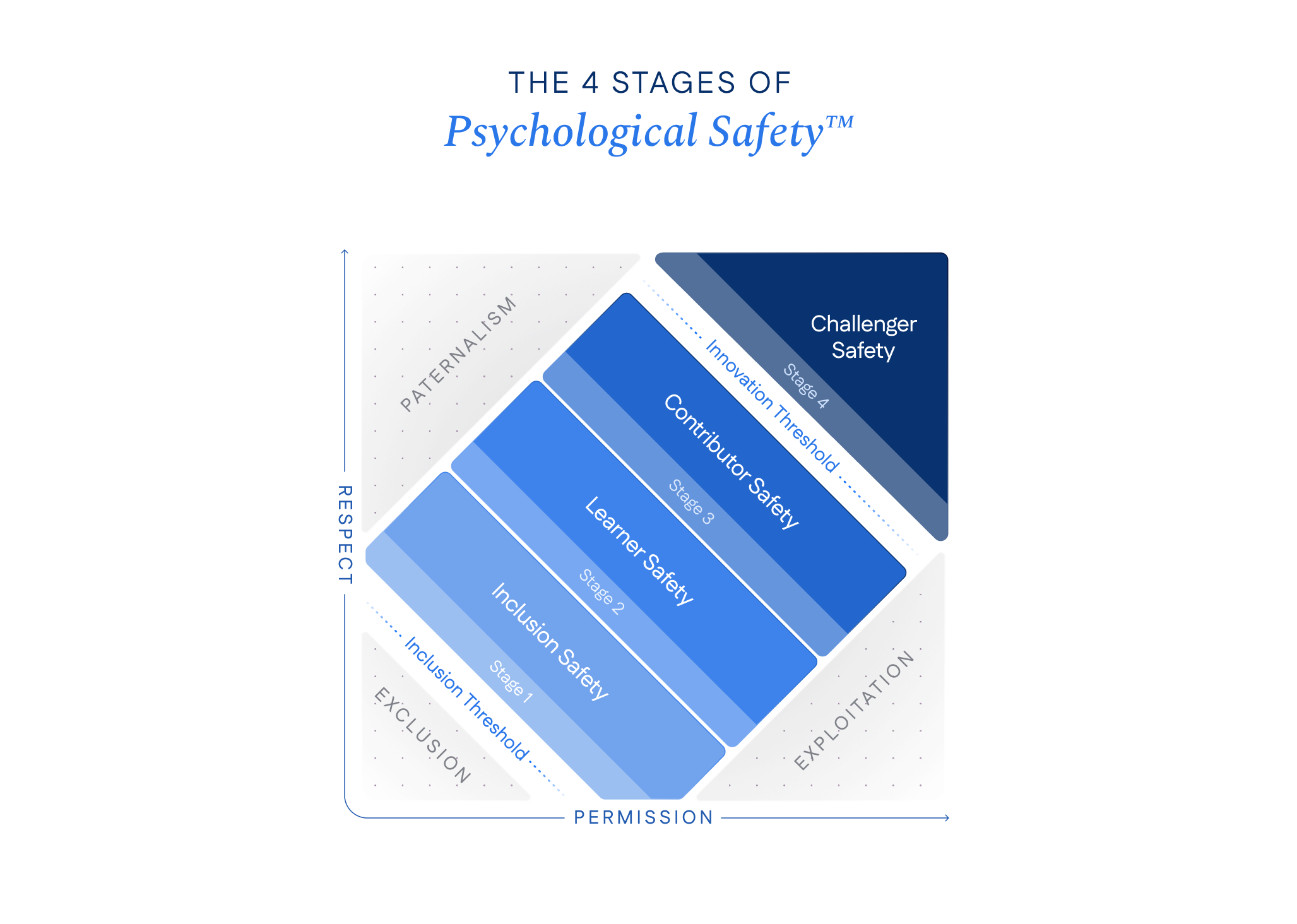
Which means a team with low psychological safety doesn’t just underperform — it hides its talent. The high-potential people in an unsafe environment look, from above, exactly like solid quiet performers, because displaying potential there is irrational. Run the best HiPo instrument in the market across that organization and you’ll faithfully measure who felt safe enough to be visible, then call it a talent distribution. In LeaderFactor’s 4 Stages terms: learner and challenger safety are the preconditions for potential to surface, which makes measuring the environment — with a team-level instrument like PSindex® — the honest first step of a HiPo program rather than an unrelated initiative.
It’s a Wednesday in June at a building-materials company in Nashville, and the CHRO is reviewing the HiPo cohort her new assessment vendor identified: nineteen names, sixteen of them from the three divisions everyone already considered strong. Two years later, the most consequential promotion of her tenure comes from nowhere on that list — a supply-chain manager whose previous VP ran meetings people prepared defenses for, and whose potential became visible within a quarter of a leadership change. The tool hadn’t failed, exactly. It had measured what the old environment allowed it to see.
Running a HiPo program worth trusting
Sequence it: structured criteria and multi-source input instead of sponsor gut feel; the 9-box with its potential axis fed by evidence rather than impression; an assessment tool chosen on documentation, not demos; and the environmental audit first, so you know which teams’ data you can believe. Then treat identification as the start of development, not the deliverable — a HiPo list with no development plan attached is a retention risk you’ve now formalized, because people usually find out.
And keep the humility the category’s marketing lacks: these tools estimate. The estimate improves with structure, multiple raters, and a safe environment — and it never becomes a verdict. The best test of potential remains the one no instrument replaces: give the person something real and slightly too big, support them, and watch what happens next.
Frequently asked questions
- What do high-potential assessment tools measure?
- Most commercial HiPo tools measure some blend of three things: aspiration (does this person want bigger roles), ability (can they grow into them), and engagement (will they stay). Vendors package the blend under proprietary models, but the underlying constructs — and the underlying limits — are similar across the market.
- What is the difference between high performance and high potential?
- Performance is delivery in the current role; potential is capacity to grow into a larger one. They overlap far less than intuition suggests: excellent operators can top out, and future executives can look unremarkable in roles that don't stretch them. Promoting on performance alone is how organizations lose both ways.
- What is the 9-box grid?
- The 9-box is succession planning's standard sorting tool: a 3×3 matrix rating people on current performance against future potential. Its value is forcing the performance-potential distinction into the open; its risk is treating the potential axis as measured fact when it's usually a manager's impression.
- How do you identify high-potential employees fairly?
- Use structured criteria over gut feel, multiple raters over one sponsor, and behavioral evidence over polish. Then check the environment: potential shows up as visible learning behavior — questions, stretch attempts, challenges to the status quo — and people only display those where doing so is safe.