





Bureaucratic leadership: Weber's warning included
Bureaucratic leadership from Max Weber's actual theory — where rules-based leadership genuinely fits, its costs, and the iron cage its inventor warned about.
Bureaucratic leadership is the style everyone disparages while boarding aircraft whose safety depends on it. The casual treatment files it as autocracy’s boring cousin; the honest treatment goes back to its actual source — Max Weber, who analyzed bureaucracy not as a leadership tip but as the defining organizational technology of the modern world, and who issued the warning about it that every listicle omits. This page covers the style with its source intact: what rules-based leadership is, where it’s genuinely the right answer, what it costs, and the iron cage Weber saw coming.
What Weber actually described
Weber’s subject was authority — why people obey — and he distinguished three grounds: traditional (we’ve always obeyed this family), charismatic (this person is extraordinary), and rational-legal (the rules and the office are legitimate, whoever holds them). Bureaucracy is rational-legal authority built into an organizational machine: hierarchy of defined offices, decisions by rule, written records, appointment by qualification, and the office separated from the person who holds it.
Read that list against its historical alternatives and its virtues snap into focus: the impersonality everyone hates about bureaucracy was the point. Decisions by rule rather than by whim; hiring by qualification rather than by cousin; even the boss bound by the system. Weber judged it technically superior to every previous form — the reason modern states and corporations converged on it — and bureaucratic leadership is simply this logic as a style: the leader as steward and applier of a rational system, deriving authority from the office rather than the self.
That’s also the clean distinction from autocracy, which the styles literature routinely blurs: the autocrat’s authority is personal and unbounded by the system; the bureaucratic leader is inside the machine, constrained by the same rules they enforce. Bureaucracy is what you build precisely when you don’t want to depend on the character of whoever’s in charge.
Where it’s the right answer
The style earns unreserved respect in exactly the settings the leadership literature undervalues: where deviation is danger, not creativity. Aviation, pharmaceutical manufacturing, nuclear operations, clinical protocols, financial controls — domains that learned, usually through catastrophe, that improvisation kills and consistency saves. The checklist is bureaucratic leadership’s masterpiece: intelligence encoded into procedure so that safety doesn’t depend on any individual’s memory or mood. Leaders in these settings who enforce procedure against the pressure of schedule and seniority aren’t small-minded; they’re doing the style’s highest work. The same logic extends, diluted, wherever fairness and auditability matter: consistent rules applied impartially remain the best anti-favoritism technology ever built.
What it costs, and the iron cage
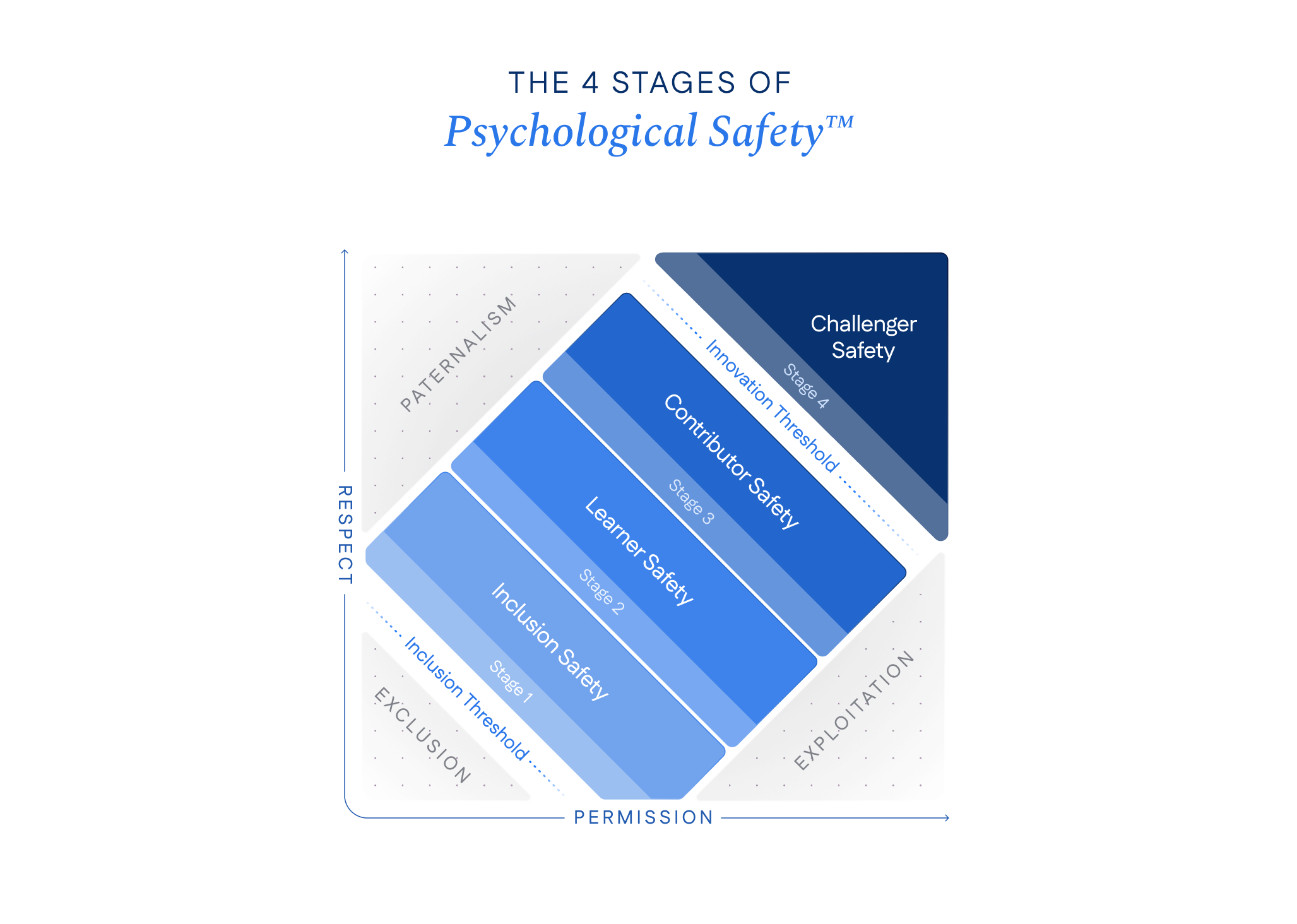
The costs are real and structural, not accidental. Rules encode yesterday’s knowledge, so bureaucratic environments handle novelty badly — the situation the procedure never imagined gets forced into the nearest category or escalated into paralysis. Speed suffers by design. And the human cost compounds quietly: where advancement means compliance, initiative and dissent go underground — the person who sees the procedure failing says nothing, because the system rewards following it, and an organization that has proceduralized away its own challenger safety will meet its next surprise in silence.
Weber saw the deepest version of this coming, and here the listicles fail him completely: his famous warning was the iron cage — rationalization so total that means swallow ends, offices swallow persons, and the machine built to serve purposes ends up serving only its own procedures. Bureaucracy’s pathology isn’t an implementation bug, in Weber’s account; it’s the logic of the form, unbounded. Which makes him the style’s most credible critic — the analyst who called it technically superior and spiritually dangerous was not confused. He was early.
Leading well inside the machine
The practical craft, for anyone actually holding a rules-heavy role, is running the system without becoming it. Three disciplines do most of the work. Keep the why attached: every procedure exists for a reason, and leaders who teach the reason get thinking compliance instead of literal compliance — the difference shows up precisely in the edge cases the rule didn’t foresee. Build the exception path: a legitimate, fast, non-punishing channel for “the procedure doesn’t fit this case” is what keeps novelty from becoming either paralysis or silent workaround. Protect the challengers: the person who flags a failing rule is the system’s immune response, and how leadership receives them determines whether the next flaw gets reported or buried — rule-bound settings need speak-up safety more, not less, because their default gradient runs toward silence.
It’s a Friday in April at a sterile-products plant in Kalamazoo, and the quality director is handling the week’s real leadership test: a veteran technician has flagged that a mandated cleaning sequence, followed exactly, creates a contamination risk the procedure’s authors never envisioned. The bureaucratic caricature punishes the deviation she almost made; the bureaucratic craft does what the director does — thanks her by name in the shift meeting, runs the formal deviation process fast, and ships the revised procedure with her observation cited in the change log. The system stays sovereign; the human stays the system’s sensor. Weber’s machine, with the cage door kept deliberately ajar.
For the style’s neighbors and contrasts, see types of leadership styles and the transactional pole it often travels with — and if you lead inside the machine, take the craft seriously: the rules are the job, and keeping them humane is the leadership.
Frequently asked questions
- What is bureaucratic leadership?
- A style that leads through formal rules, defined roles, and documented procedures rather than personality or improvisation — authority flows from the position and the system, not the person. It descends from Max Weber's analysis of bureaucracy as the signature organizational form of the modern world.
- What are the characteristics of bureaucratic leadership?
- Clear hierarchy and reporting lines, decisions by established rule rather than case-by-case judgment, documented procedures, formal qualifications for roles, and impartial application of standards. At its best this produces fairness and reliability; at its worst, rule-following as a substitute for thinking.
- When is bureaucratic leadership effective?
- Where consistency is the mission: safety-critical operations, regulated industries, high-volume processes where deviation is danger rather than creativity. Aviation, pharmaceutical manufacturing, and nuclear operations run on proceduralized leadership because improvisation there kills — the style's costs are worth its guarantees.
- What is the difference between bureaucratic and autocratic leadership?
- The location of authority. An autocrat's power is personal — decisions flow from the leader's will. A bureaucratic leader's power is systemic — even the leader is under the rules. Bureaucracy constrains its own leaders, which is precisely what makes it fairer and slower than autocracy.