





What psychological safety is not: 7 myths vs. reality
A myth-vs-reality guide to what psychological safety is not—debunking the seven most common misconceptions, from niceness and consensus to lowered standards.
Before a team can build psychological safety, it needs a shared understanding of what the term actually means—and what it doesn’t. Most stalled initiatives fail not because people reject the goal, but because they’re working from different, often wrong, definitions. Psychological safety is a culture of rewarded vulnerability: an environment where people are encouraged, not punished, for the acts of vulnerability that move work forward—asking a question, admitting a mistake, raising a concern, or challenging the status quo. Here are seven things it is not, each paired with the reality.
Is psychological safety the same as being nice?
No. Psychological safety is not niceness, and the two are often at odds. Niceness avoids friction to keep people comfortable; psychological safety creates enough trust that people can be candid, give hard feedback, and disagree out loud without fear of reprisal. A “nice” team that never challenges each other has low safety, not high safety. The goal is candor, not comfort.
Does psychological safety mean everyone has to agree?
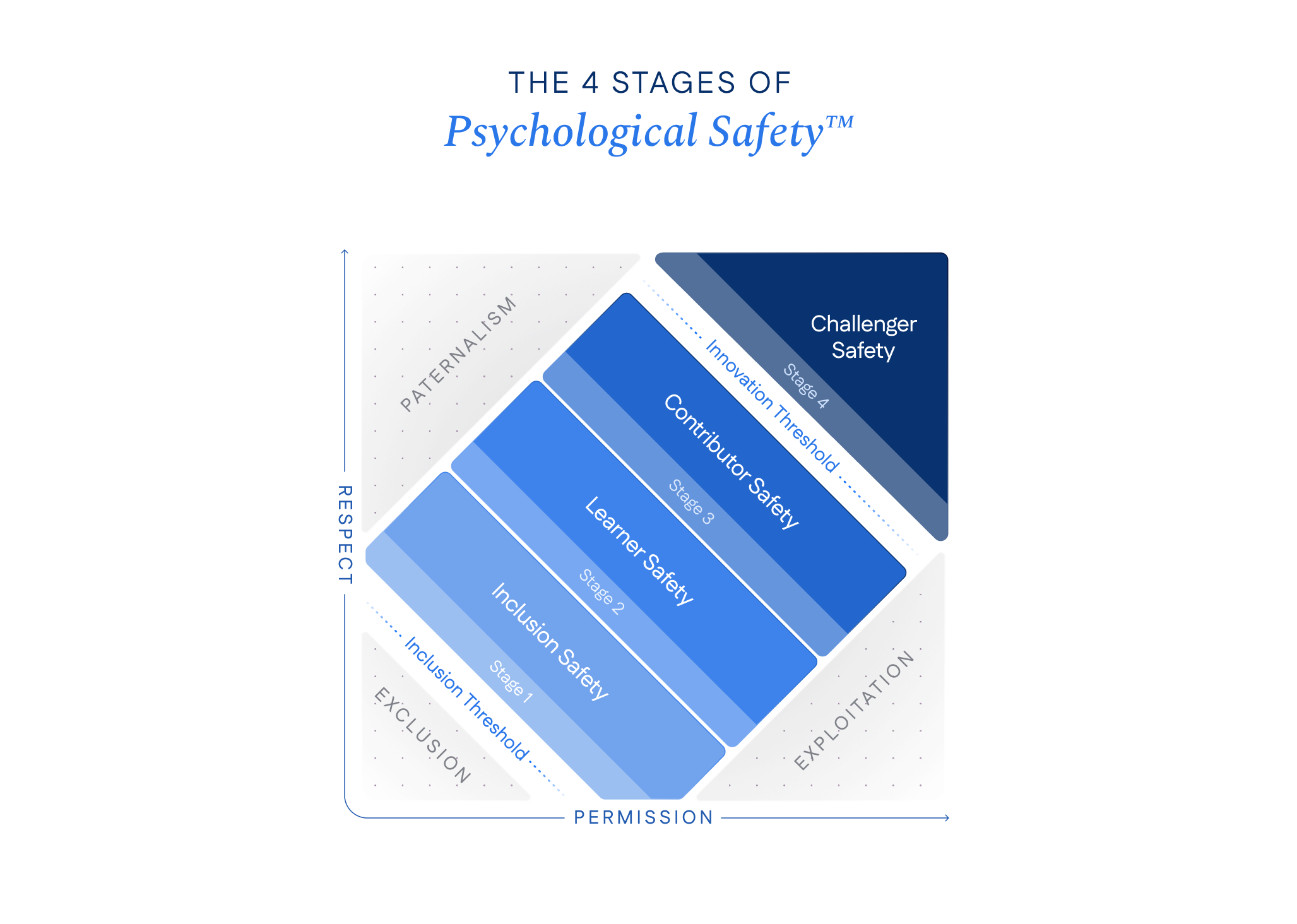
No. Psychological safety is not consensus or harmony. It is the precondition for productive disagreement—the Challenger Safety that lets people question decisions and surface dissenting views. A psychologically safe team argues more openly, not less, because people trust that dissent won’t cost them their standing. Note that this democratizes participation and influence, not decision rights: people are heard, but not everyone gets a vote. Manufactured agreement is a symptom of low safety, not high safety.
Does psychological safety lower performance standards?
No. Psychological safety does not lower the bar; it raises it. Safety and accountability are complementary forces, not opposites. When people can admit problems early and ask for help without shame, standards become easier to hold, because errors surface while they’re still small. High-performing teams pair high safety with high expectations, and that combination is what makes excellence sustainable.
Is psychological safety a shield from accountability?
No. Psychological safety is not a shield from accountability or consequences. It removes fear, not responsibility. People are still accountable for their results, their conduct, and their commitments; what changes is that feedback and correction happen in a climate of respect rather than fear. In fact, accountability lands better in a safe culture, because people are more receptive to feedback and quicker to take corrective action.
Does psychological safety mean coddling or pampering employees?
No. Psychological safety is not about pampering people or protecting them from discomfort. Coddling produces fragility, dependency, and learned helplessness; psychological safety builds resilience. Growth requires the discomfort of stretch, feedback, and honest evaluation. Safety simply ensures that discomfort comes from the work itself—not from the fear of being humiliated, ignored, or punished for being human. It’s a foundation for challenge, not an escape from it.
Is psychological safety just a personality trait or a perk?
No. Psychological safety is not an individual personality trait, and it is not an HR perk like free lunches. It’s a property of a culture, shaped largely by how leaders and teammates respond to acts of vulnerability. The same person can feel safe on one team and silenced on another. That makes it something you build through behavior, not something you either have or don’t.
Does psychological safety guarantee comfort or freedom from conflict?
No. Psychological safety does not promise a conflict-free or always-comfortable workplace. It makes conflict more honest and more useful by routing it through respect and permission instead of fear and politics. A safe team experiences the constructive friction of real ideas colliding—and recovers from it—rather than the corrosive friction of unspoken resentment.
The thread running through all seven: psychological safety is not the absence of challenge, conflict, or accountability. It’s the presence of enough trust that people can do hard things together. And you cannot declare it into existence—people read the evidence of how the last acts of vulnerability were met, so the modeling behavior of leaders is what ultimately builds it. Naming what it isn’t is how teams stop talking past each other and start building the real thing.
Frequently asked questions
- What is psychological safety, in one sentence?
- Psychological safety is a culture of rewarded vulnerability—an environment where people are encouraged rather than punished for acts of vulnerability like asking questions, admitting mistakes, raising concerns, and challenging the status quo.
- Is psychological safety the same as being nice?
- No. Niceness avoids friction to keep people comfortable, while psychological safety builds enough trust for candor, hard feedback, and open disagreement. A team that never challenges each other has low safety, not high safety; the goal is candor, not comfort.
- Does psychological safety lower accountability or performance standards?
- No. Safety and accountability are complementary, not opposing, forces. When people can admit problems early without shame, errors surface while small and standards become easier to hold—high-performing teams pair high safety with high expectations.
- Why does it matter what psychological safety is not?
- Most psychological safety initiatives stall because people work from different or mistaken definitions—confusing it with niceness, consensus, or coddling. Naming the misconceptions gives a team common ground, so the effort isn't quietly derailed before it starts.