Invite the quietest voice first.
When we open a discussion, I will ask the quietest person for their take before I share mine.
How consistently did you invite the quietest voice this week?
12/30 days complete 2/5 active weeks Checked in

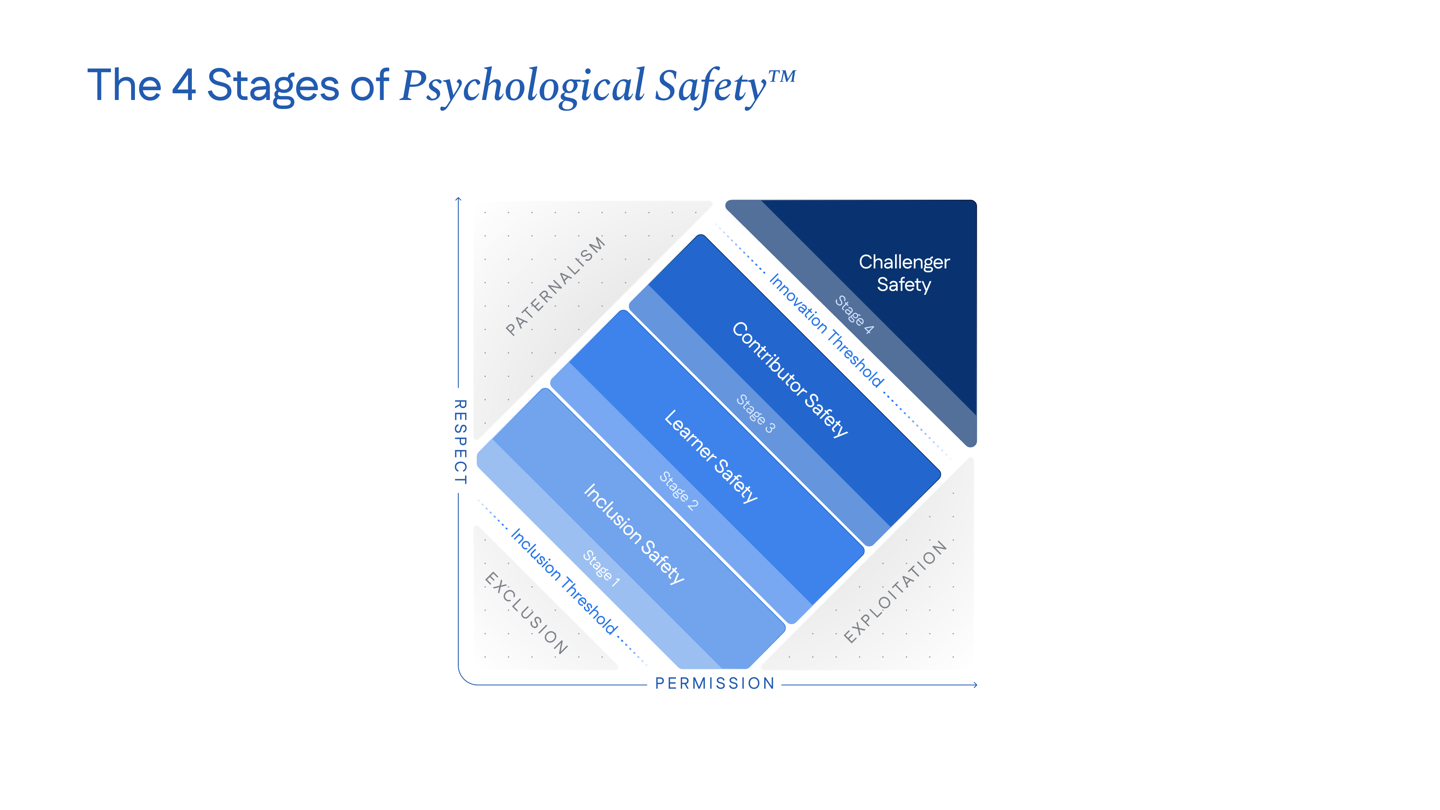
 The 4 Stages of Psychological Safety™
  The 6 Domains of Emotional Intelligence™
  Coaching & Accountability Matrix™
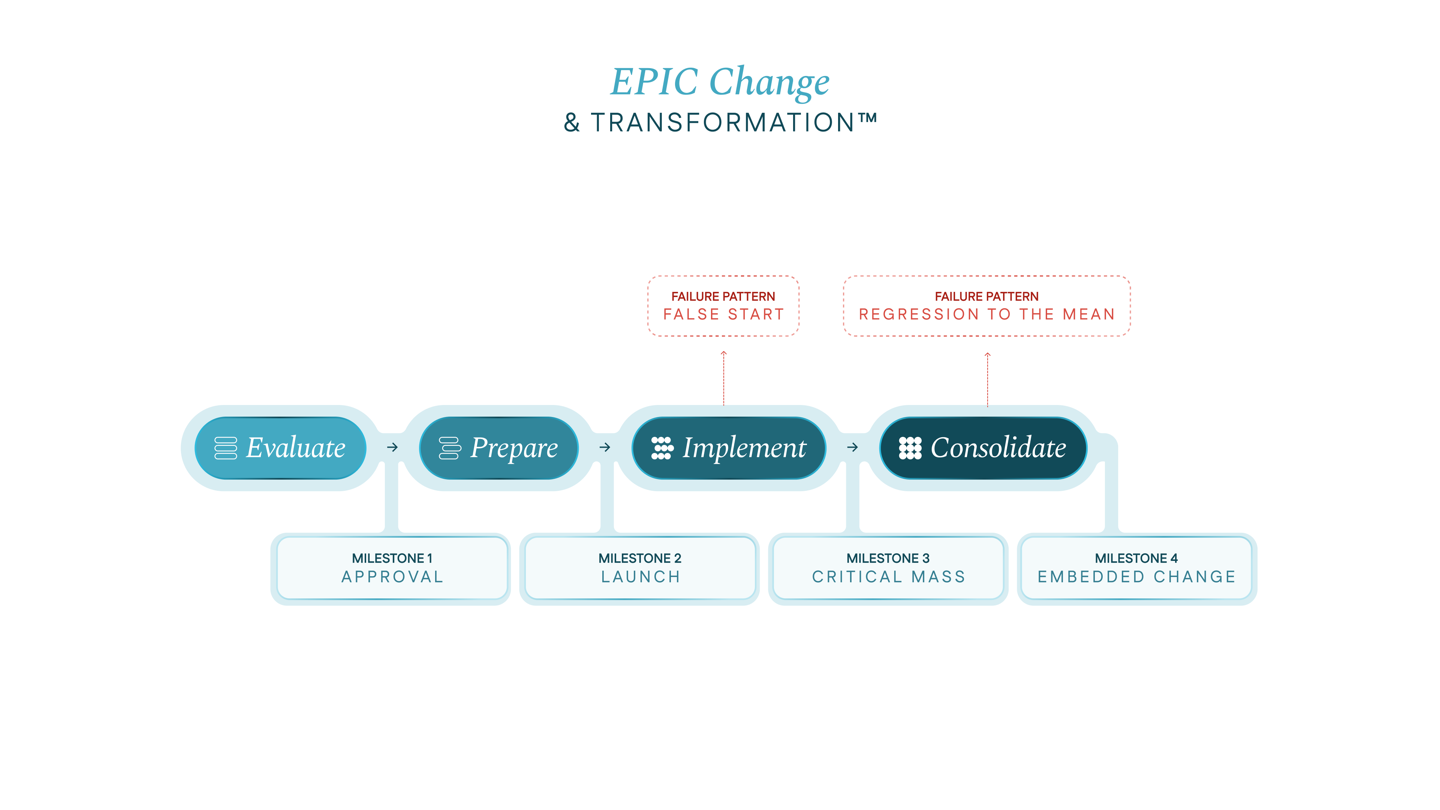
  EPIC Change & Transformation™
  DECIDER Critical Thinking™
  Team Cohesion & Performance™
  Leading Through AI™
 The two-persona product demo for every skill. Presenter mode now runs on each skill's real workshop deck; Psychological Safety also carries its real course outline, the others use authored sample content. Everything is clickable.
Psychological Safety The 4 Stages of Psychological Safety™
Day 0 Take PSindex® — self and external raters. Truth first, not a hunch.
Facilitator certification
Keep going to complete your certification.
Facilitator resources
Program roadmap · FY26
Upcoming
Also scheduled: People leaders · wave 2 (140 · live-virtual · Q3) and All teams (900 · on-demand · Q4).
Delivery · people leaders, wave 1
Live-virtual
Next session Thu · 32 enrolled
Facilitated by your certified team
In person
On-site workshop · Oct 12
Your facilitators or LeaderFactor experts
On-demand
210 active learners
Self-paced, same curriculum and assessment
Presenter mode
Presenting · live-virtual

Introduction · Lesson 6
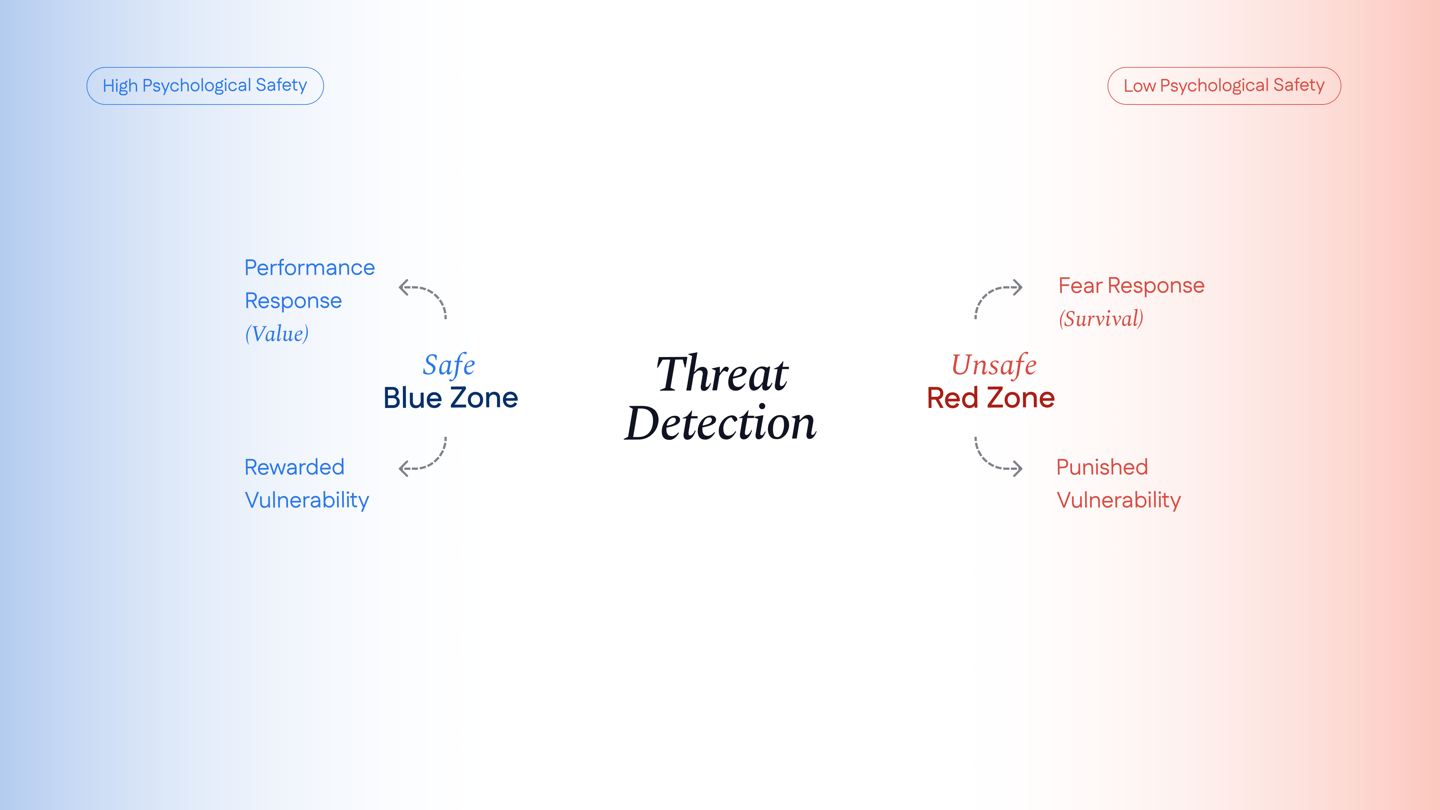
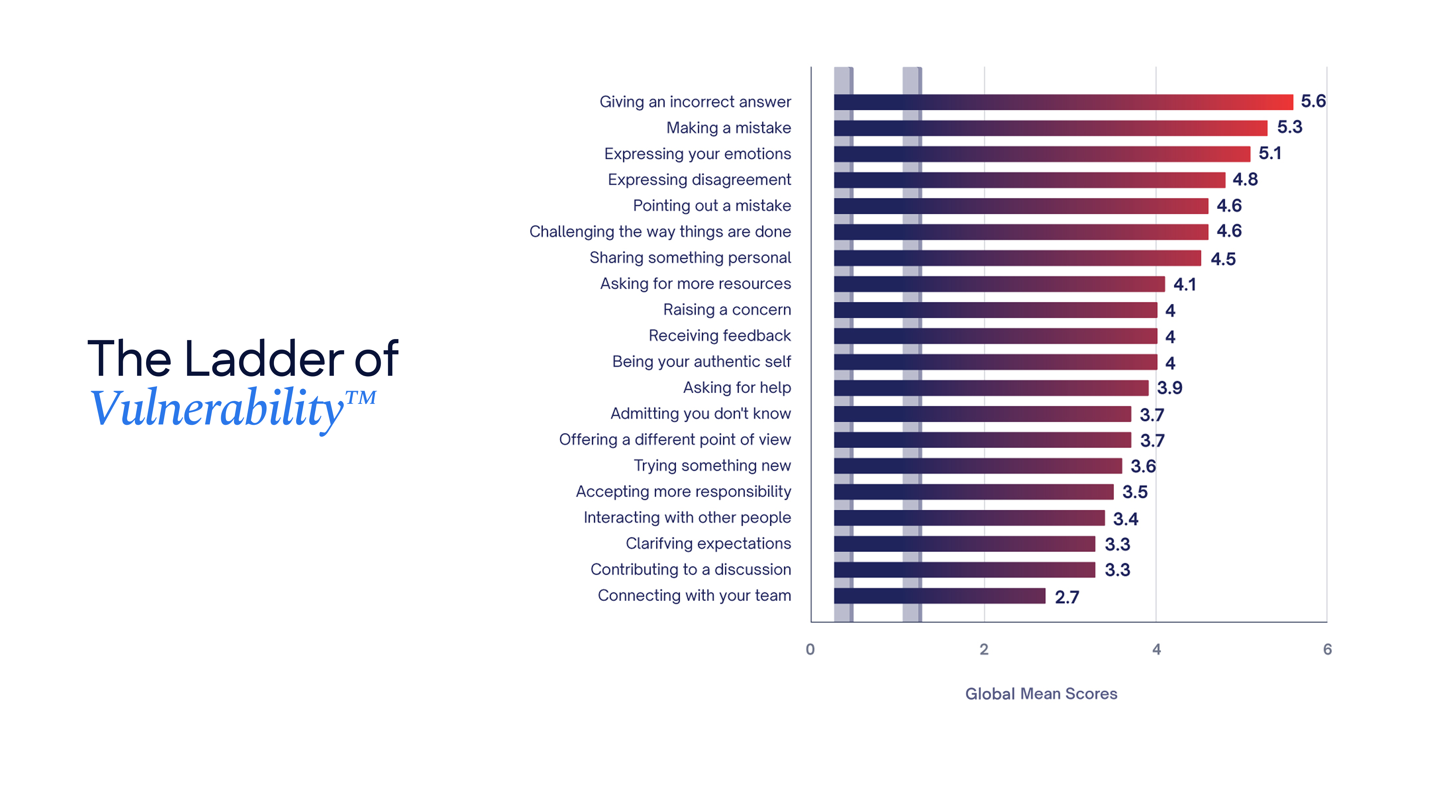
Why safety is built on rewarded vulnerability
Reward vulnerability and you get more of it. Punish it once and it quietly disappears.
When did someone on your team take a risk by speaking up — and what did you do next?
In last week’s retro, Maya flagged that our estimates were consistently optimistic. I thanked her in front of everyone and we changed the process — first time anyone’s challenged a team norm out loud.
Reward the next person who surfaces a problem — out loud, in the moment, in front of the team.
PSindex® · individual
Dimension breakdown · in stage order
Do I help others feel included?
You and your raters see this the same way.
Sub-dimensions
Do I help others feel safe to learn?
You rate this higher than others experience it — start here.
Sub-dimensions
Do I help others feel safe to contribute?
Others experience this more strongly than you give yourself credit for.
Sub-dimensions
Do I help others feel safe to challenge the status quo?
You and your raters see this the same way.
Sub-dimensions
In their words · qualitative
“What is one thing preventing people from learning on this team?”
Questions get answered, but the tone makes you think twice before asking the next one.
Mistakes get fixed quietly instead of talked about.
“What should this leader keep doing?”
Giving real ownership. You get trusted with the whole problem, not just the task.
Illustrative sample data, normalized to 0–100 for display — each instrument reports on its own scale.
In the flow of work
Invite the quietest voice first.
When we open a discussion, I will ask the quietest person for their take before I share mine.
How consistently did you invite the quietest voice this week?
Reward the messenger.
When someone surfaces a mistake or bad news, I will thank them for surfacing it before we talk fixes.
How consistently did you reward the messenger this week?
Start working on a new commitment
You have 12 planned skills — time to get started.
Planned commitments
Saved for later. When you're ready, move one to your plan. Psychological Safety 56/100 Emotional Intelligence 58/100 PSindex® · aggregate reporting
Pre / post by stage
Baseline 90-day BenchmarkBenchmark = the PSindex® research base across participating organizations.
Participation & engagement
474 invitedBy cohort
4 cohorts · 3 modalitiesIllustrative sample data, normalized to 0–100 for display — each instrument reports on its own scale.
Emotional Intelligence The 6 Domains of Emotional Intelligence™
Day 0 Take EQindex® — self and external raters. Truth first, not a hunch.
Facilitator certification
Keep going to complete your certification.
Program roadmap · FY26
Upcoming
Also scheduled: People leaders · wave 2 (140 · live-virtual · Q3) and All teams (900 · on-demand · Q4).
Delivery · people leaders, wave 1
Live-virtual
Next session Thu · 32 enrolled
Facilitated by your certified team
In person
On-site workshop · Oct 12
Your facilitators or LeaderFactor experts
On-demand
210 active learners
Self-paced, same curriculum and assessment
Presenter mode
Presenting · live-virtual

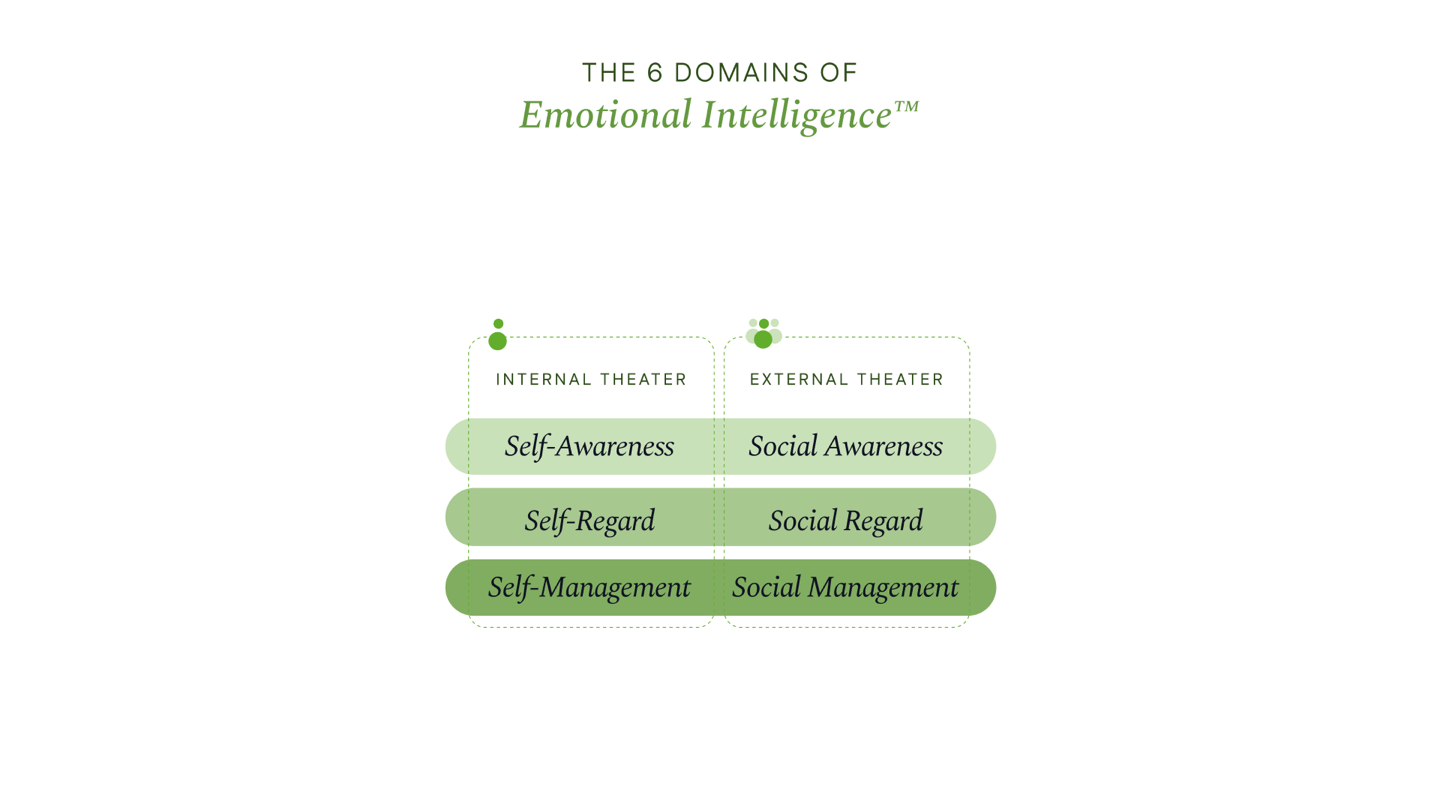
Internal Theater · Lesson 4
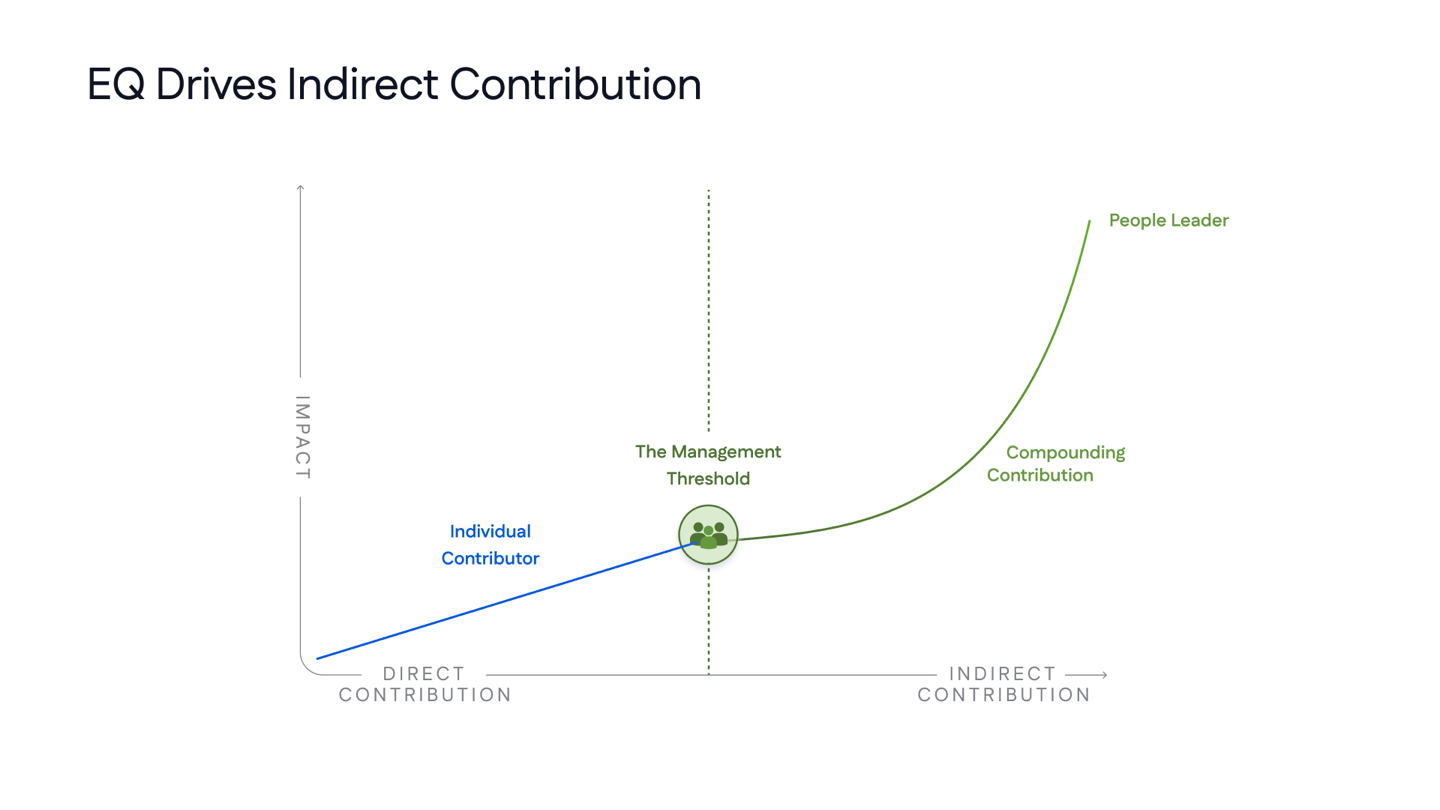
Self-management under pressure
Between stimulus and response there is a pause. Leadership lives in the pause.
What reliably triggers you — and what does your team see when it does?
Interruptions in my own meetings. I get clipped and start answering before people finish. My team goes quiet for the rest of the hour.
In your next hard conversation, name what you’re feeling to yourself before you answer.
EQindex® · individual
Dimension breakdown
Do I notice what I think and feel as it happens?
You and your raters see this the same way.
Do I treat my own worth and potential as real?
Others experience this more strongly than you give yourself credit for.
Do I choose my response instead of reacting?
You rate this higher than others experience it — start here.
Do I read content and emotion at the same time?
You and your raters see this the same way.
Do I treat others’ worth and potential as real?
Others experience this more strongly than you give yourself credit for.
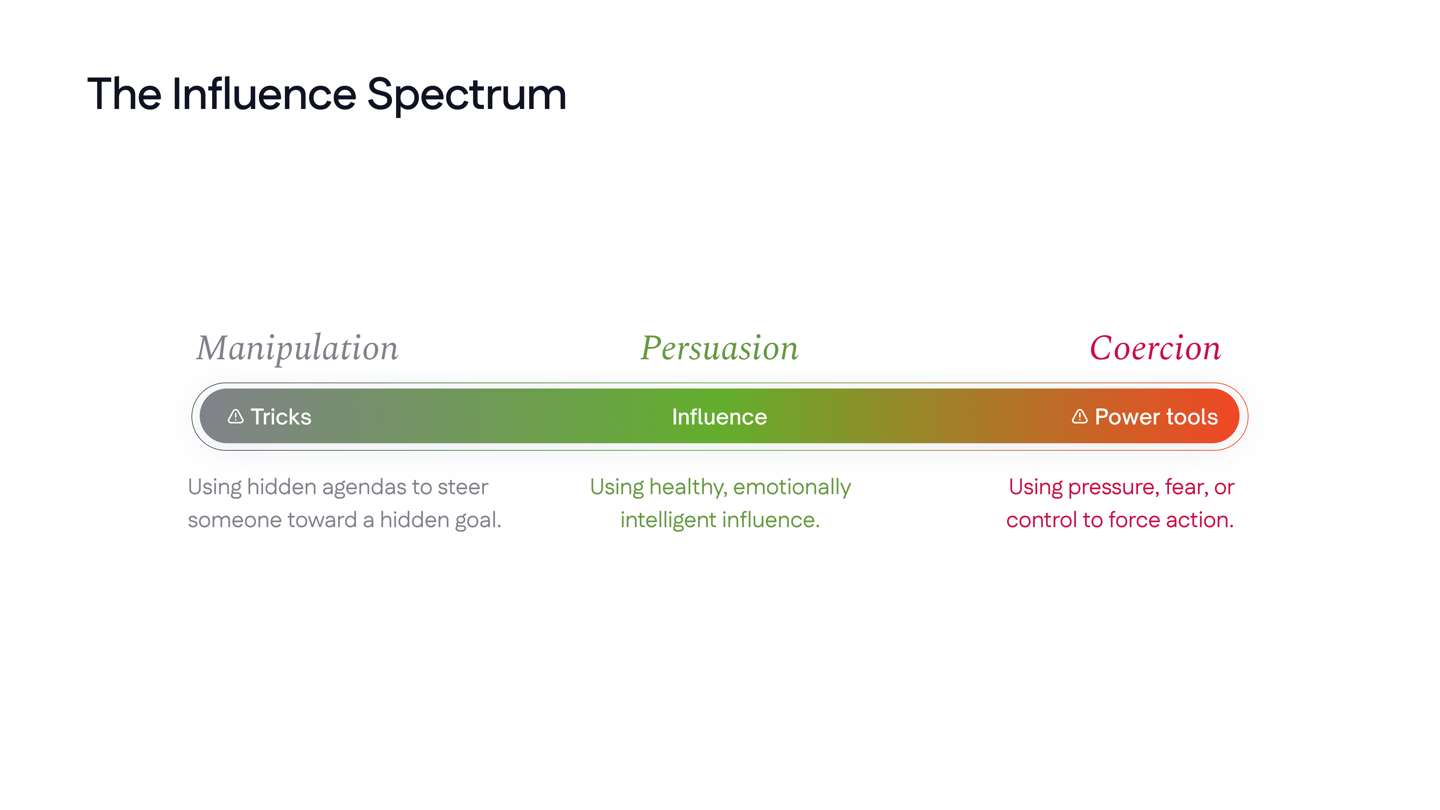
Do I influence through trust rather than power?
You and your raters see this the same way.
In their words · qualitative
“When does this leader’s composure slip?”
Deadline weeks. The words stay polite but the room can feel the temperature change.
When someone reopens a decision they thought was settled.
“What should this leader keep doing?”
Naming the elephant kindly. They say the thing everyone is thinking without making it personal.
Illustrative sample data, normalized to 0–100 for display — each instrument reports on its own scale.
In the flow of work
Pause before the reply.
When I feel my reaction rising in a meeting, I will take one breath and name the feeling before I speak.
How consistently did you pause before reacting this week?
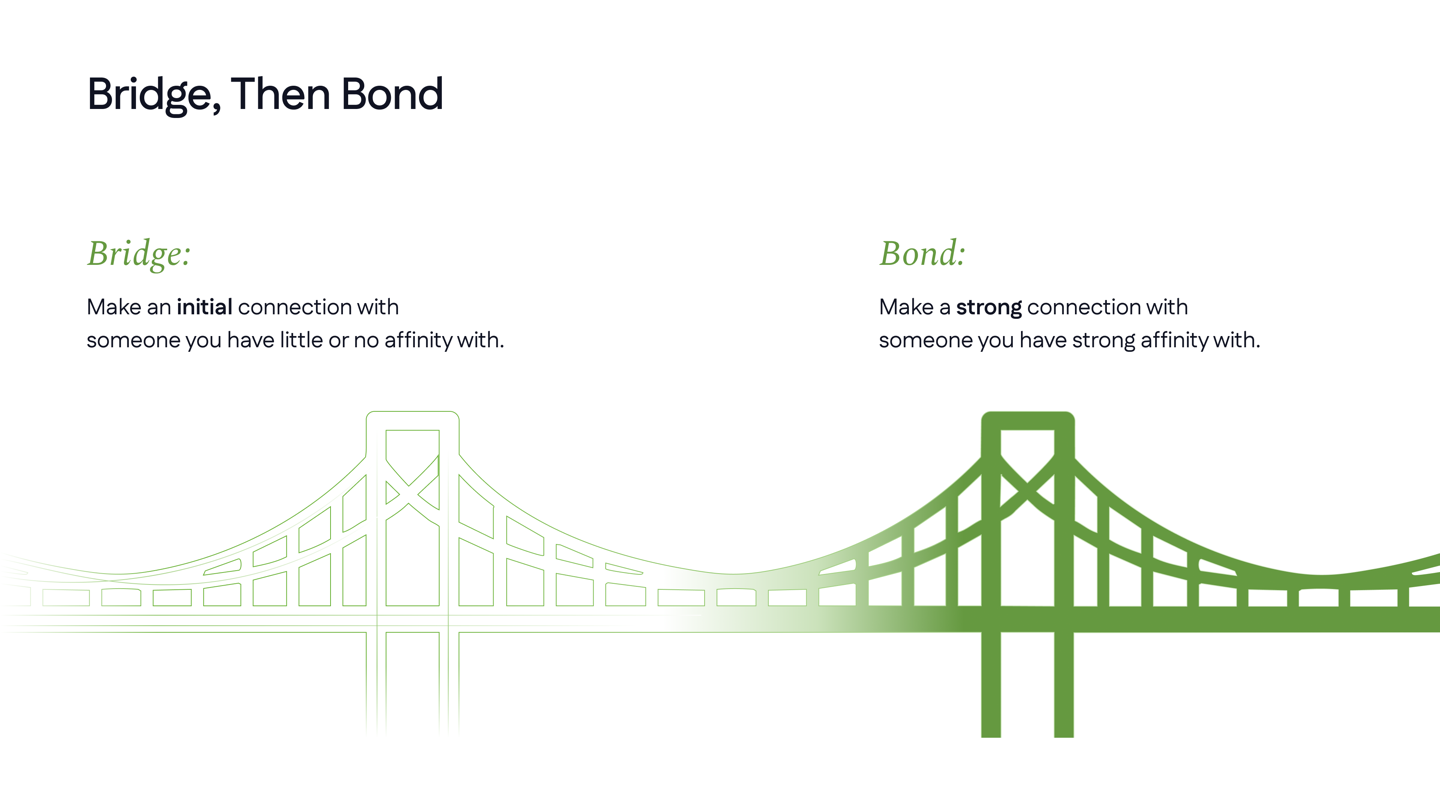
Bridge before you bond.
When I meet someone I don’t naturally click with, I will find one genuine thing to respect out loud.
How consistently did you bridge first this week?
Start working on a new commitment
You have 12 planned skills — time to get started.
Planned commitments
Saved for later. When you're ready, move one to your plan. Emotional Intelligence 58/100 Coaching & Accountability 54/100 EQindex® · aggregate reporting
Pre / post by stage
Baseline 90-day BenchmarkBenchmark = the EQindex® research base across participating organizations.
Participation & engagement
474 invitedBy cohort
4 cohorts · 3 modalitiesIllustrative sample data, normalized to 0–100 for display — each instrument reports on its own scale.
AI Leadership Leading Through AI™
Day 0 Take AI Leadership Index — your self-assessment baseline. Truth first, not a hunch.
Facilitator certification
Keep going to complete your certification.
Program roadmap · FY26
Upcoming
Also scheduled: People leaders · wave 2 (140 · live-virtual · Q3) and All teams (900 · on-demand · Q4).
Delivery · people leaders, wave 1
Live-virtual
Next session Thu · 32 enrolled
Facilitated by your certified team
In person
On-site workshop · Oct 12
Your facilitators or LeaderFactor experts
On-demand
210 active learners
Self-paced, same curriculum and assessment
Presenter mode
Presenting · live-virtual
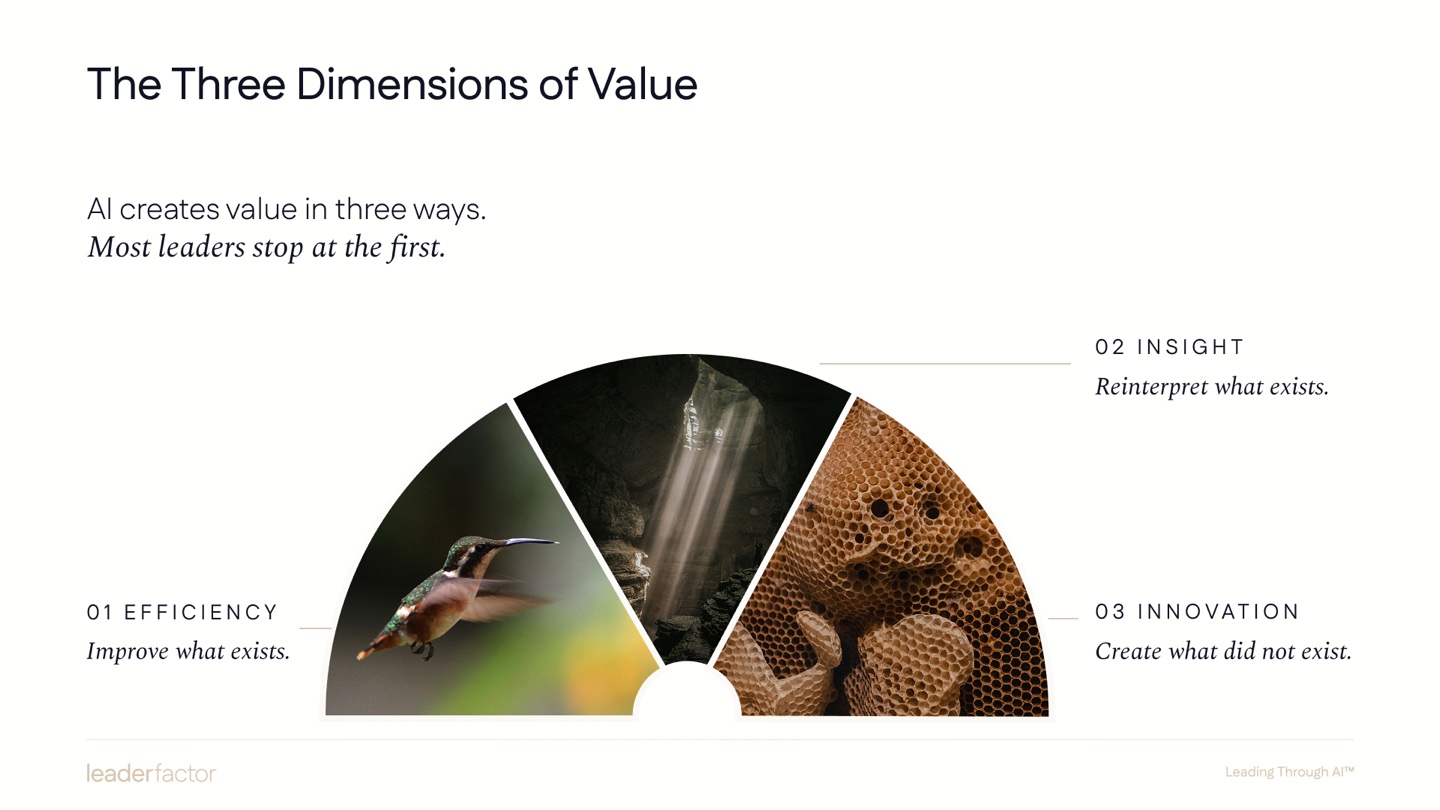
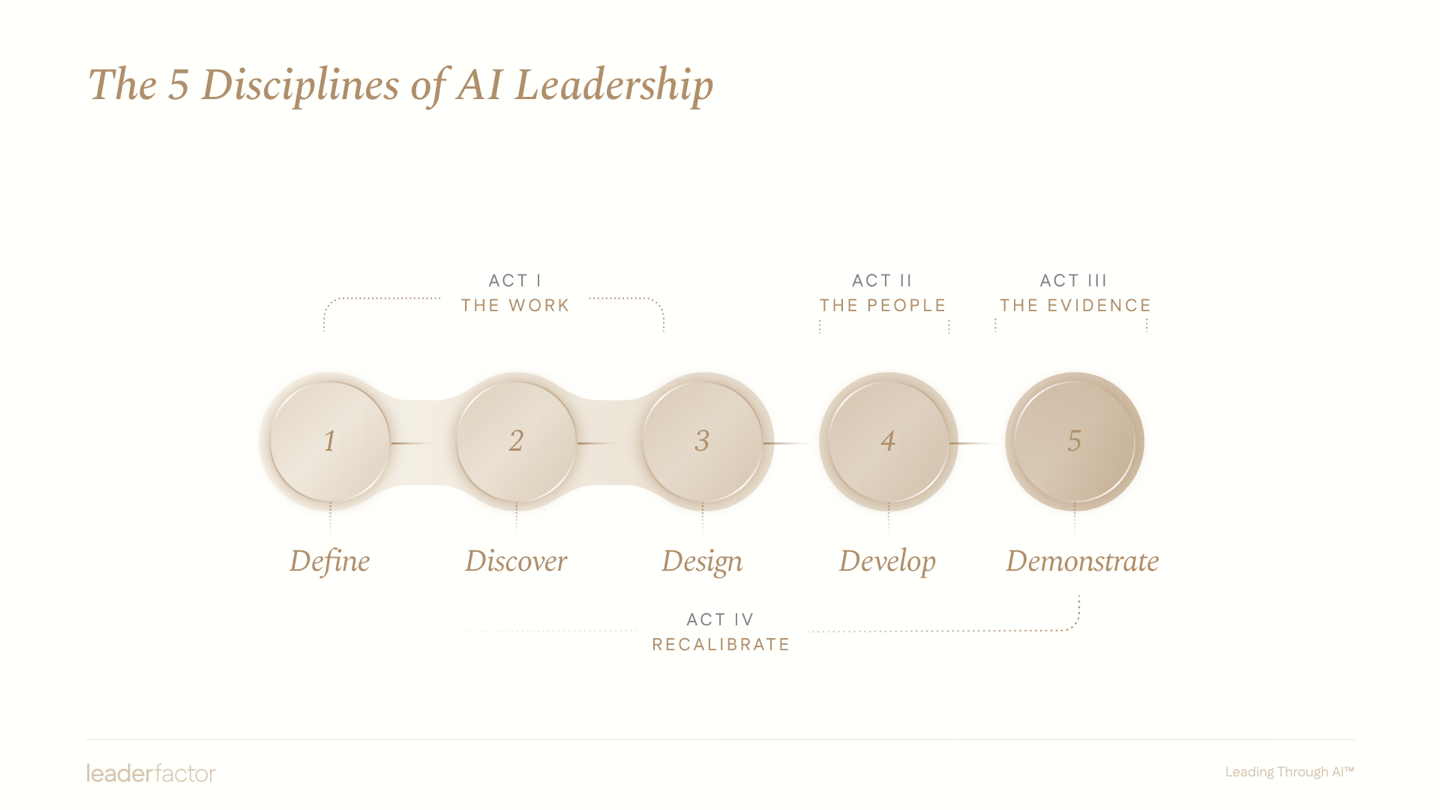
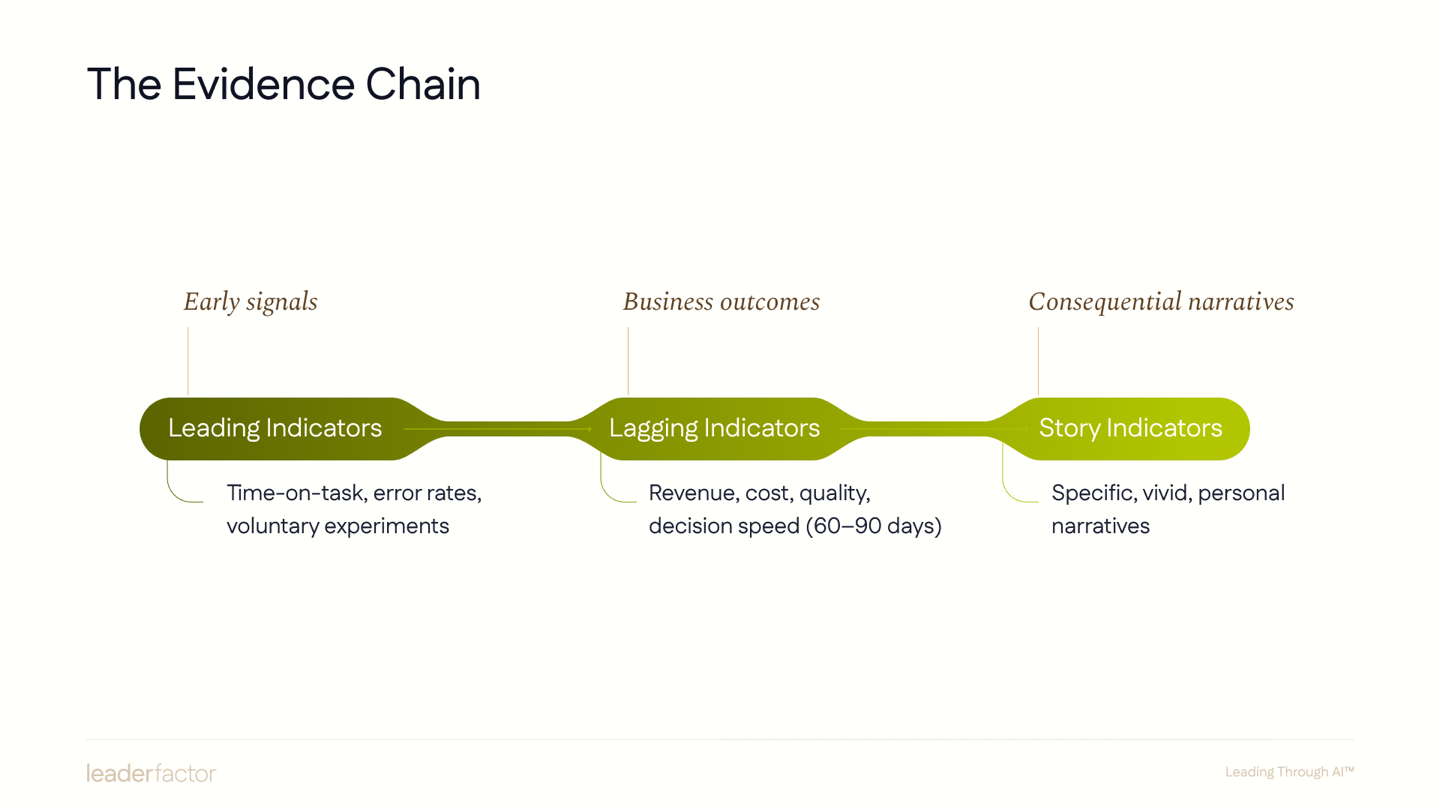
Design · Lesson 3
Why tools inherit your process problems
Bolting AI onto an old workflow automates the old workflow’s problems.
Which of your team’s AI uses is a redesign — and which is a bolt-on?
Drafting is a real redesign; review moved to editing. But our reporting “automation” is the same report with extra steps.
Pick one recurring task and redesign it around the capability this week — roles first, tool second.
Add a workflow · step 1 of 5
Chosen responsibility
Uinta suggests
Add a workflow · step 2 of 5
AI prep brief for planning tradeoffs
AI predicts: Augment
Planning tradeoffs depend on human judgment and relationships — AI can prepare the ground, not make the call.
Pilot · step 1 of 3
Pick the signal that best describes what a successful pilot looks like at 60–90 days.
Or write your own
Pilot · step 2 of 3
Pilot objective
✎ EditTest whether an AI prep brief can turn planning notes into a clearer tradeoff conversation that reduces rework.
Baseline
✎ EditToday, leads spend 2–4 extra days reconciling dependencies before a draft is ready — and most drafts need another loop.
Success signals
✎ EditFirst drafts settle in one review instead of two or three, within the pilot window.
Pilot · step 3 of 3
Human does
Own the final planning call when scope or risk is ambiguous.
Review the AI draft with design and eng leads.
+ Add bullet
AI does
Turn planning notes and dependencies into a first-pass tradeoff brief.
Surface likely conflicts and risky orderings.
+ Add bullet
Guardrails
Human sign-off before the brief reaches planning.
Fall back to the manual review if confidence is low.
+ Add bullet
Success looks like
First drafts settle in one review instead of three.
Tradeoff discussion replaces basic clarification.
+ Add bullet
Saved to your possibility map — 15 future workflows and counting. Start the pilot when you’re ready.
AI Leadership Index · individual
Dimension breakdown
Can I name what we own, augment, and automate?
Your self-baseline — the re-take at 90 days shows the movement.
Do I know where the real work happens?
Your self-baseline — the re-take at 90 days shows the movement.
Do we redesign workflows, not bolt tools on?
Your self-baseline — the re-take at 90 days shows the movement.
Do our pilots get reps and support?
Your self-baseline — the re-take at 90 days shows the movement.
Can I show what AI returned, in business terms?
Your self-baseline — the re-take at 90 days shows the movement.
In their words · qualitative
“Where did your last AI initiative actually stall?”
After the demo. Everyone was impressed and nobody changed how they work.
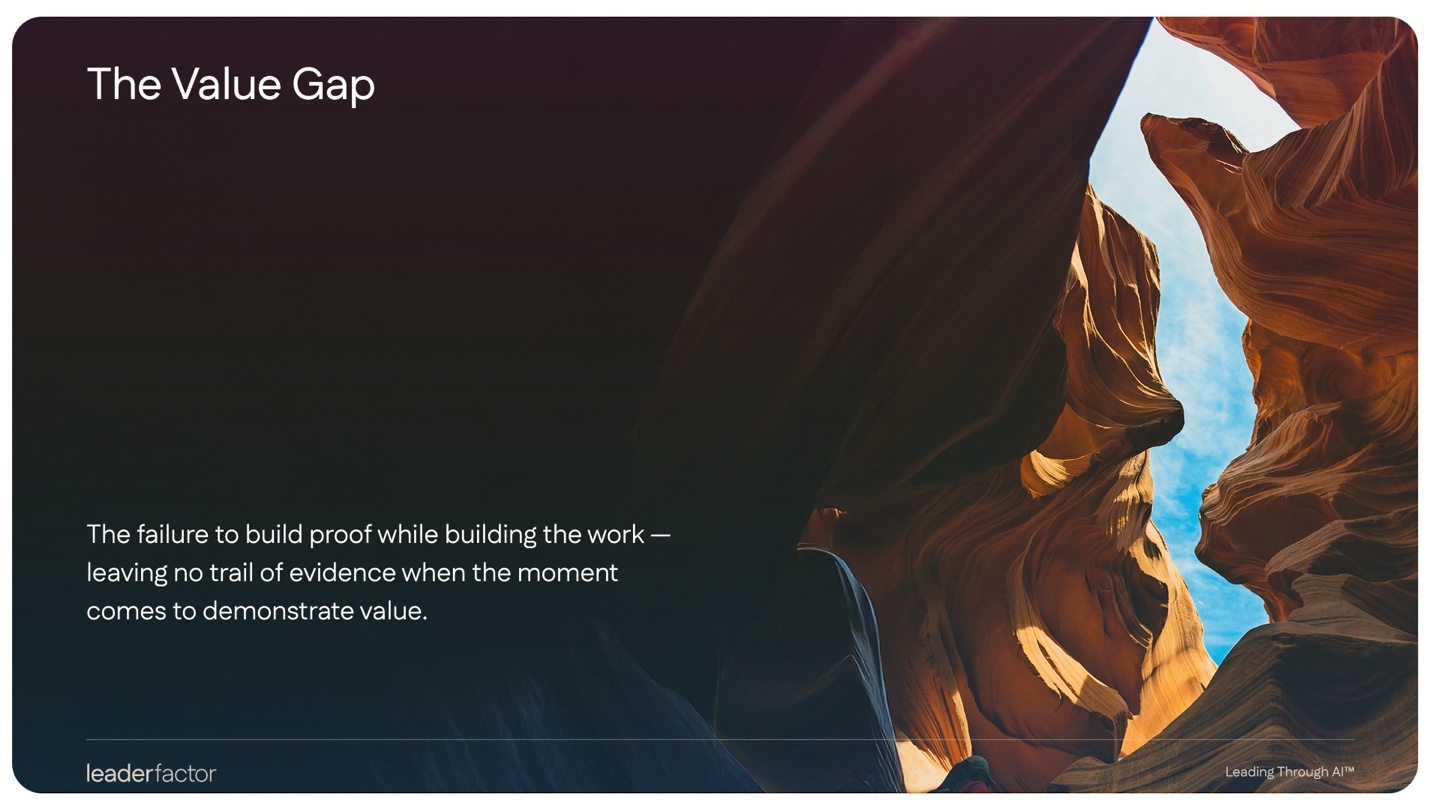
Proving it mattered. Usage went up; I couldn’t say what the business got.
“What’s working?”
Picking one workflow and finishing it. Our intake process is genuinely different now — that one is real.
Illustrative sample data, normalized to 0–100 for display — each instrument reports on its own scale.
In the flow of work
Redesign one workflow.
When my scheduled deep-work block arrives, I will work the redesign of our chosen workflow, roles before tools.
How consistently did you work the redesign this week?
Evidence over anecdotes.
When I report on our AI pilot, I will lead with one business metric, not a usage stat.
How consistently did you lead with evidence this week?
Start working on a new commitment
You have 12 planned skills — time to get started.
Planned commitments
Saved for later. When you're ready, move one to your plan. AI Leadership 52/100 Change Management 59/100 AI Leadership Index · aggregate reporting
Pre / post by stage
Baseline 90-day BenchmarkBenchmark = the AI Leadership Index research base across participating organizations.
Participation & engagement
474 invitedBy cohort
4 cohorts · 3 modalitiesIllustrative sample data, normalized to 0–100 for display — each instrument reports on its own scale.
Coaching & Accountability Coaching & Accountability Matrix™
Day 0 Take CAMindex™ — your self-assessment baseline. Truth first, not a hunch.
Facilitator certification
Keep going to complete your certification.
Program roadmap · FY26
Upcoming
Also scheduled: People leaders · wave 2 (140 · live-virtual · Q3) and All teams (900 · on-demand · Q4).
Delivery · people leaders, wave 1
Live-virtual
Next session Thu · 32 enrolled
Facilitated by your certified team
In person
On-site workshop · Oct 12
Your facilitators or LeaderFactor experts
On-demand
210 active learners
Self-paced, same curriculum and assessment
Presenter mode
Presenting · live-virtual
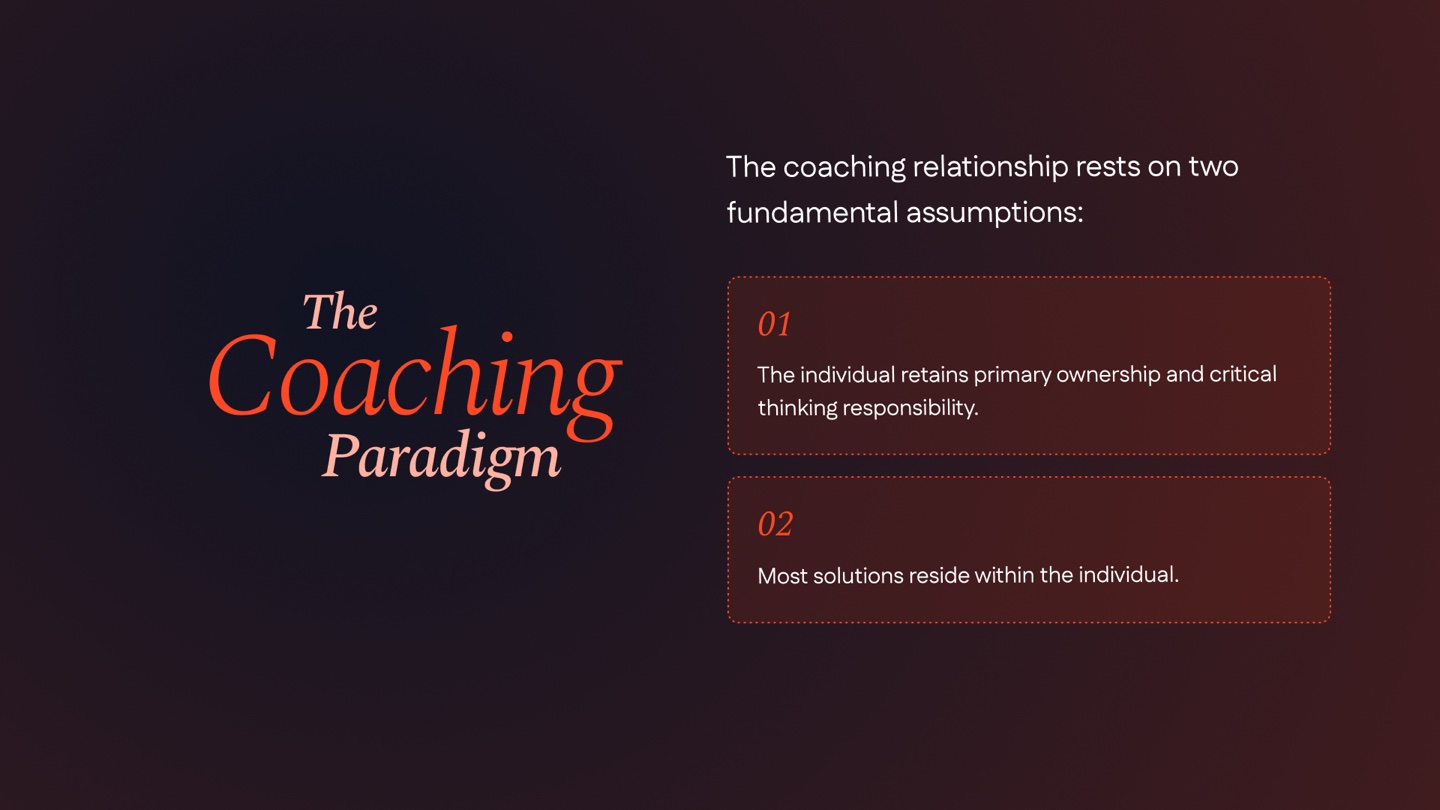
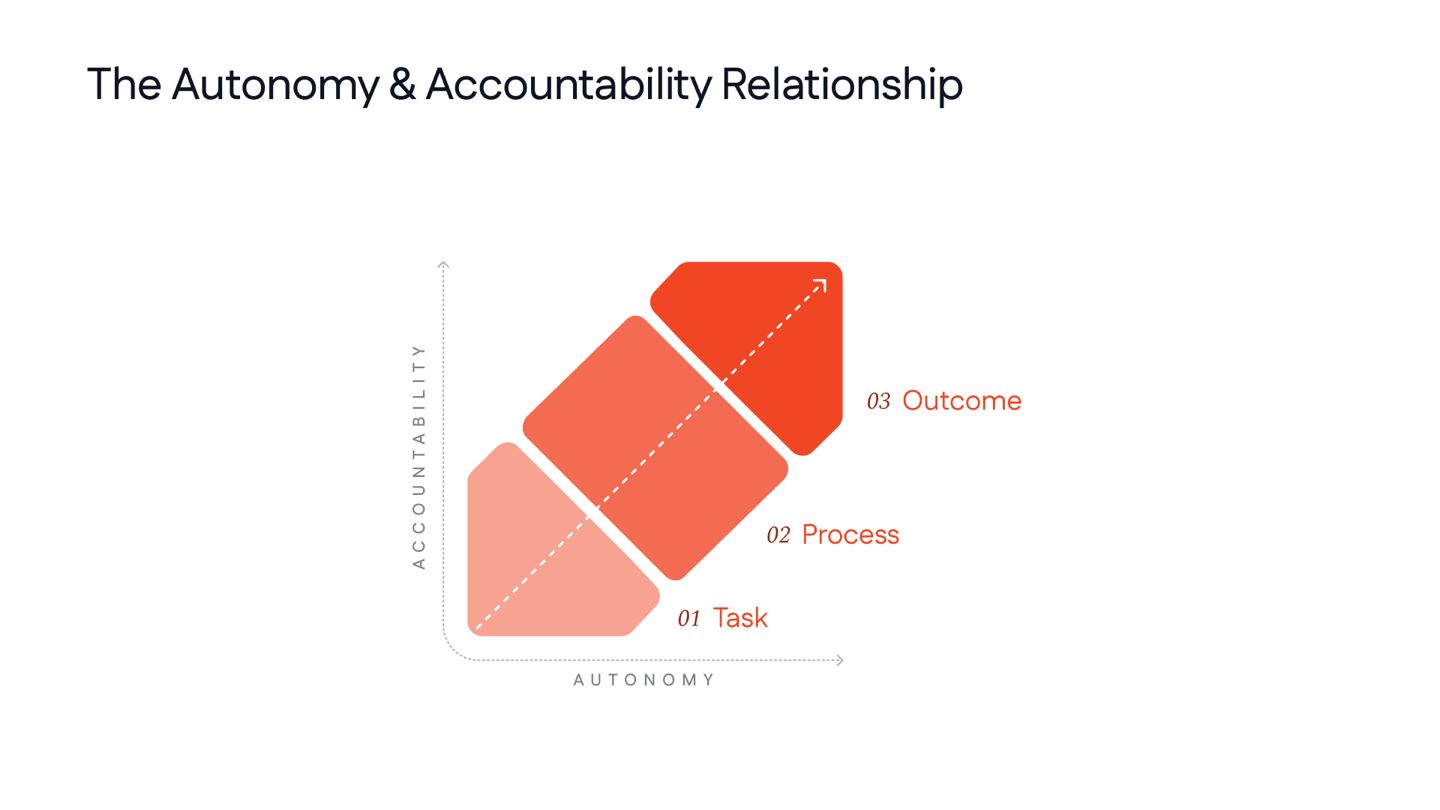
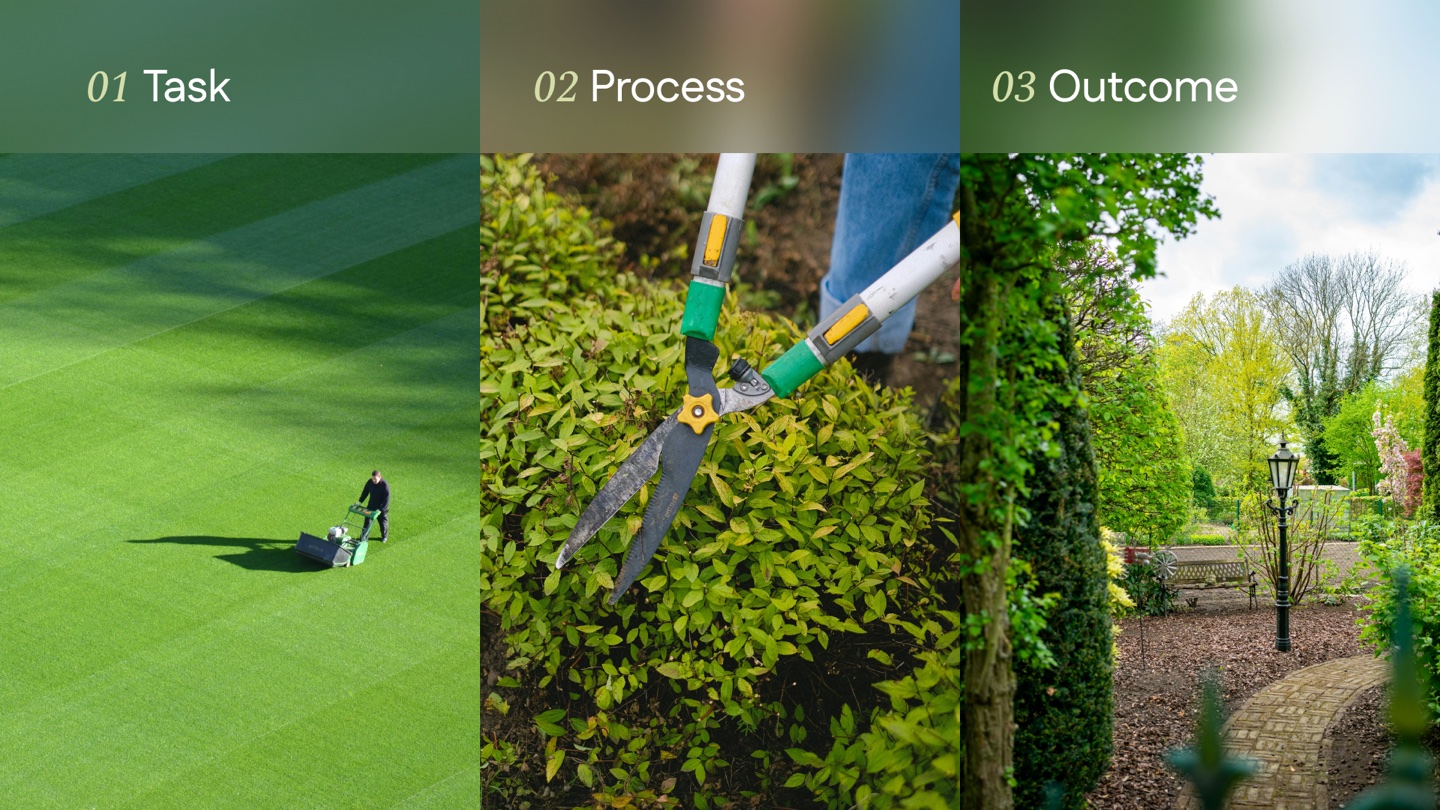
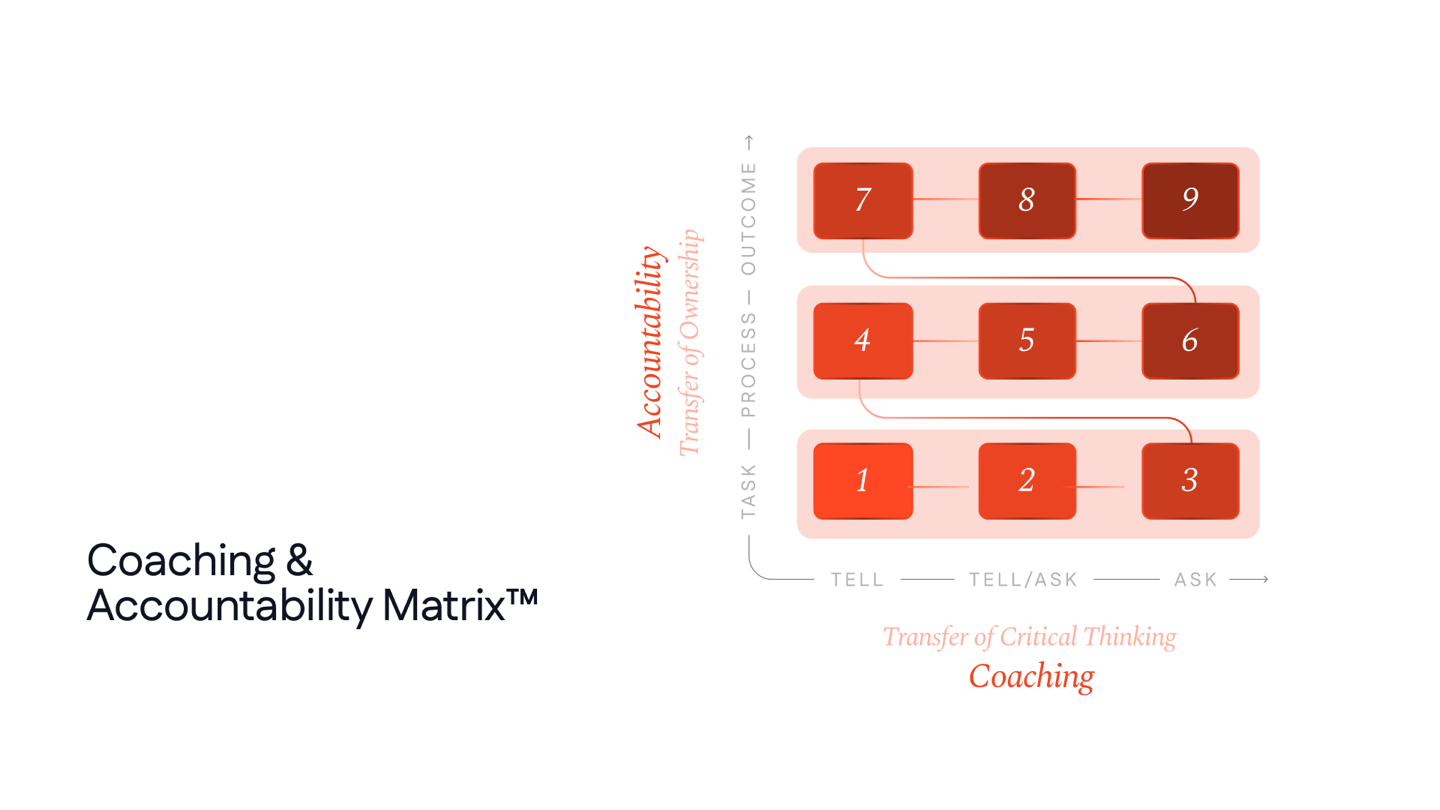
Coaching Tools · Lesson 3
The Coaching Continuum in practice
Every answer you give buys speed today and costs you capability tomorrow.
Which of your reports do you answer fastest — and what has that trained them to do?
Priya. She brings me options and I pick one within a minute. She’s stopped deciding anything without me, and I did that.
Replace one directive with a coaching question each day this week.
Overview
Direct reports
2
2 total
Matrix distribution
11Tied: Box 3 & Box 9
Coachability distribution
2Most: Progressing
Avg deflection
Highest: Excuse (4)
Priya
Box 9 · Outcome × AskAcceleratingD 1 · B 2 · E 2
About this person
Use your ratings to craft a coaching plan that helps Rowan move further into the Coaching & Accountability Matrix.
A little about Rowan
Saves automaticallyTheir role, tenure, and the situation you’re coaching them through. The AI uses this context — alongside the ratings below — when it drafts a coaching plan.
Matrix
What box is Rowan in today? Click any box to place them.
Transfer of critical thinking →
Box 3 · Task × Ask
Coachability
Willingness × self-awareness — click any quadrant.
Willingness ↑ · Self-awareness →
Progressing — high willingness · low self-awareness
Deflection
How often does Rowan use denial, blame, or excuse? Click any score to rate them.
Coaching plan
Draft the coaching plan you’ll work from to move Rowan to the next box in the Matrix.
Replace your current plan?
AI drafts a new plan from Rowan’s description, matrix placement, coachability, and deflection ratings — and explains its reasoning. This can’t be undone.
Cancel
Rowan sits at Task × Ask — great questions, narrow ownership. The move is one process owned end to end.
I will hand Rowan the release process whole: what good looks like, the handoffs, and the outcome metric. Twice-weekly check-ins for the first month — directive early, then stepping back as they anticipate risks and keep it moving without me.
Saves automatically — Rowan’s plan stays live for your next 1:1.
Coaching Skills Assessment · individual
Dimension breakdown
Do people bring me unfinished thinking?
Your self-baseline — the re-take at 90 days shows the movement.
Do I ask before I answer?
Your self-baseline — the re-take at 90 days shows the movement.
Does work leave my desk and stay gone?
Your self-baseline — the re-take at 90 days shows the movement.
Does accountability hold when I’m not in the room?
Your self-baseline — the re-take at 90 days shows the movement.
In their words · qualitative
“What happens when someone brings me a problem?”
They get my answer. It’s a good answer — but it’s mine, not theirs.
Lately I’ve started asking what they’d do first. Slower, and better.
“What’s working that I should keep?”
Following up on what I said I’d follow up on. Every time. It makes the standard feel real.
Illustrative sample data, normalized to 0–100 for display — each instrument reports on its own scale.
In the flow of work
Ask before answering.
When a report brings me a problem, I will ask one genuine question before I offer any answer.
How consistently did you ask before answering this week?
Name the accountability level.
When I hand off a piece of work, I will say whether I’m holding them to the task, the process, or the outcome.
How consistently did you name the level this week?
Start working on a new commitment
You have 12 planned skills — time to get started.
Planned commitments
Saved for later. When you're ready, move one to your plan. Coaching & Accountability 54/100 Emotional Intelligence 58/100 CAMindex™ · aggregate reporting
Pre / post by stage
Baseline 90-day BenchmarkBenchmark = the CAMindex™ research base across participating organizations.
Participation & engagement
474 invitedBy cohort
4 cohorts · 3 modalitiesIllustrative sample data, normalized to 0–100 for display — each instrument reports on its own scale.
Change Management EPIC Change and Transformation™
Day 0 Take EPICindex™ — your self-assessment baseline. Truth first, not a hunch.
Facilitator certification
Keep going to complete your certification.
Program roadmap · FY26
Upcoming
Also scheduled: People leaders · wave 2 (140 · live-virtual · Q3) and All teams (900 · on-demand · Q4).
Delivery · people leaders, wave 1
Live-virtual
Next session Thu · 32 enrolled
Facilitated by your certified team
In person
On-site workshop · Oct 12
Your facilitators or LeaderFactor experts
On-demand
210 active learners
Self-paced, same curriculum and assessment
Presenter mode
Presenting · live-virtual

Prepare · Lesson 2
Why changes die without owners
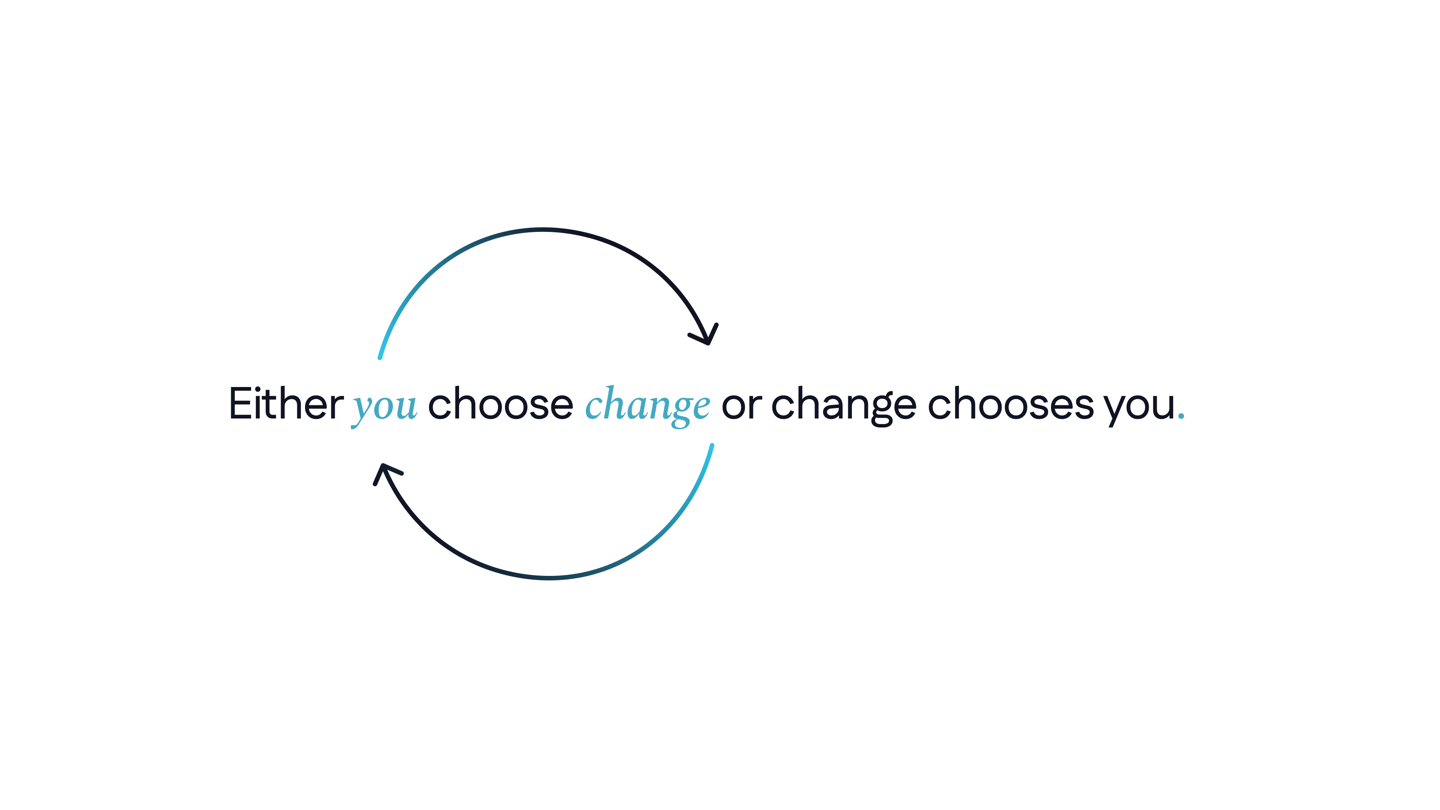
A change announced is not a change owned. Name the coalition before you name the date.
Who actually owns your current change — and who just attends its meetings?
Honestly: me and the PMO. The function leads show up, nod, and wait. Nothing they miss costs them anything yet.
Ask one fence-sitter to own one visible piece of the change this week — by name, in public.
Change Management · initiative
A single intake process replacing three separate queues — touches every function’s requests.
01
Evaluate
4/4
02
Prepare
2/3
03
Implement
0/1
04
Consolidate
0/1
Phase 01 · Evaluate — decide whether to pursue the change at all
Rate six factors, 1–5 — the category tells you how much rigor, coalition, and runway the change really needs. Click any score.
Result
Category 4 · Organization-wide
Spans the org — build a coalition and stage the rollout deliberately.
Phase 02 · Prepare — build the coalition and the message
Where each stakeholder sits on the emotional arc of change — meet them where they are, and move them forward.
Denial 0
—Resistance 2
Ops leadsTeam adminsExploration 2
COOIT platform leadCommitment 0
—Phase 03 · Implement — capture early wins before momentum stalls
Early, visible wins across 30, 60, and 90 days — proof points that carry people across the Span of Uncertainty.
Publish the front-door charter
One page: what routes where, who owns triage, how exceptions escalate.
Pilot one department end to end
Live routing for one function — people see the model in practice, not in slides.
Stand up the governance cadence
A fixed review rhythm with clear decision rights — proof the change is operating.
Phase 04 · Consolidate — embed it so it doesn’t snap back
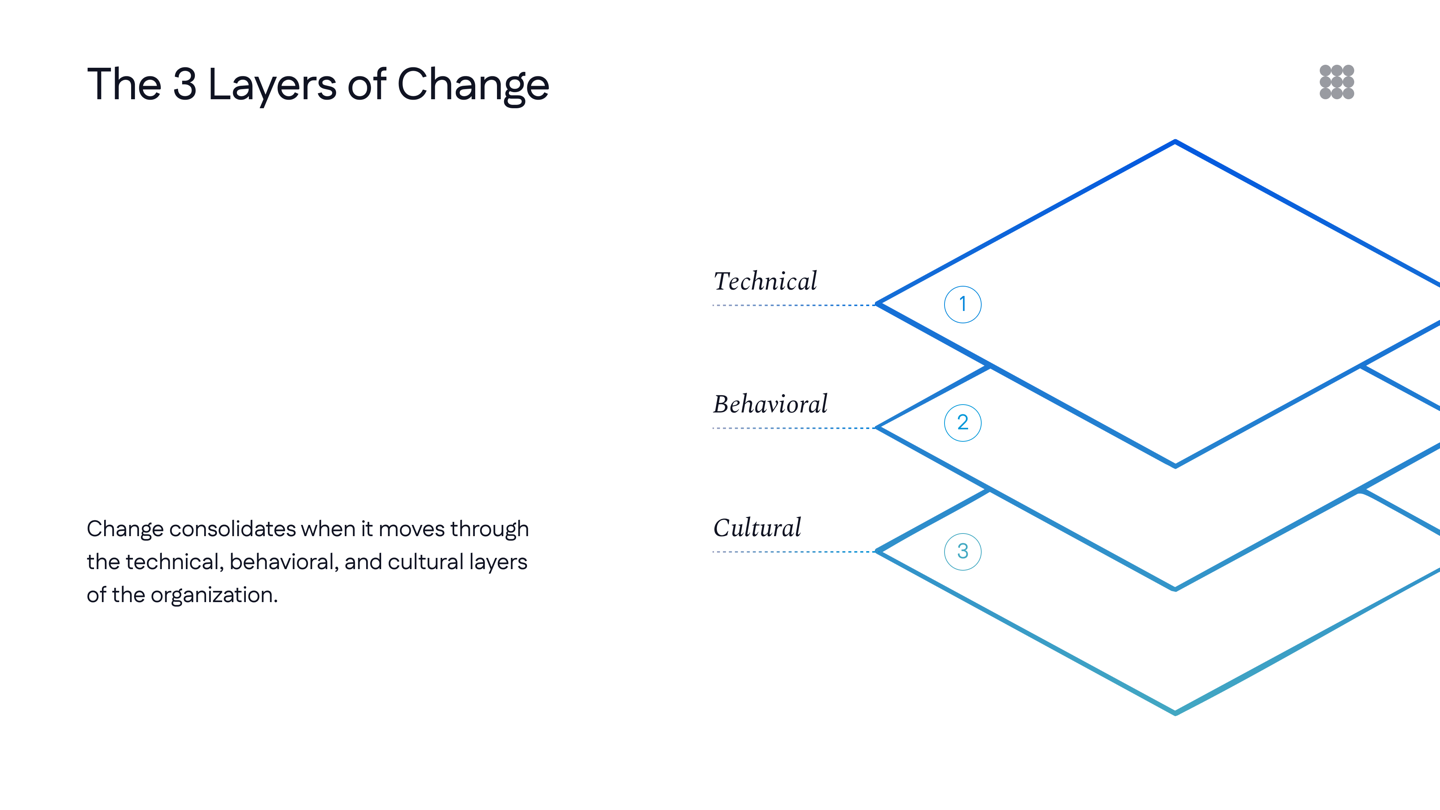
The change becomes the new normal — embedded technically, then behaviorally, then culturally.
Technical embedding
The intake tool is live for every function and the old forms are retired.
Behavioral embedding
Teams route through the front door in normal planning — no escalation needed.
Cultural embedding
One front door is simply how work starts — a default, not a program.
Roadmap complete — saved to your toolkit with 2 initiatives live. Come back anytime.
EPICindex™ · individual
Dimension breakdown
Do people trust my motives in this change?
Your self-baseline — the re-take at 90 days shows the movement.
Do people trust my ability to lead it?
Your self-baseline — the re-take at 90 days shows the movement.
Do people believe I’ll see it through?
Your self-baseline — the re-take at 90 days shows the movement.
Do people believe I see what it costs them?
Your self-baseline — the re-take at 90 days shows the movement.
Do people believe we can absorb this change?
Your self-baseline — the re-take at 90 days shows the movement.
In their words · qualitative
“Where is this change most at risk right now?”
The middle. Kickoff went well, but the function leads are attending, not owning.
I still haven’t answered the “at what cost to us” question — and people feel it.
“What’s working that I should protect?”
The Friday updates. Short, honest, including what slipped. People read them as respect.
Illustrative sample data, normalized to 0–100 for display — each instrument reports on its own scale.
In the flow of work
Connect change to purpose.
When I assign change-related work, I will say how it supports the mission, not just the deadline.
How consistently did you connect tasks to the why this week?
Show the cost honestly.
When someone names what this change costs them, I will acknowledge it before I restate the case.
How consistently did you acknowledge cost before case this week?
Start working on a new commitment
You have 12 planned skills — time to get started.
Planned commitments
Saved for later. When you're ready, move one to your plan. Change Management 59/100 Decision Making 61/100 EPICindex™ · aggregate reporting
Pre / post by stage
Baseline 90-day BenchmarkBenchmark = the EPICindex™ research base across participating organizations.
Participation & engagement
474 invitedBy cohort
4 cohorts · 3 modalitiesIllustrative sample data, normalized to 0–100 for display — each instrument reports on its own scale.
Decision Making DECIDER Critical Thinking™
Day 0 Take DECIDERindex™ — your self-assessment baseline. Truth first, not a hunch.
Facilitator certification
Keep going to complete your certification.
Program roadmap · FY26
Upcoming
Also scheduled: People leaders · wave 2 (140 · live-virtual · Q3) and All teams (900 · on-demand · Q4).
Delivery · people leaders, wave 1
Live-virtual
Next session Thu · 32 enrolled
Facilitated by your certified team
In person
On-site workshop · Oct 12
Your facilitators or LeaderFactor experts
On-demand
210 active learners
Self-paced, same curriculum and assessment
Presenter mode
Presenting · live-virtual
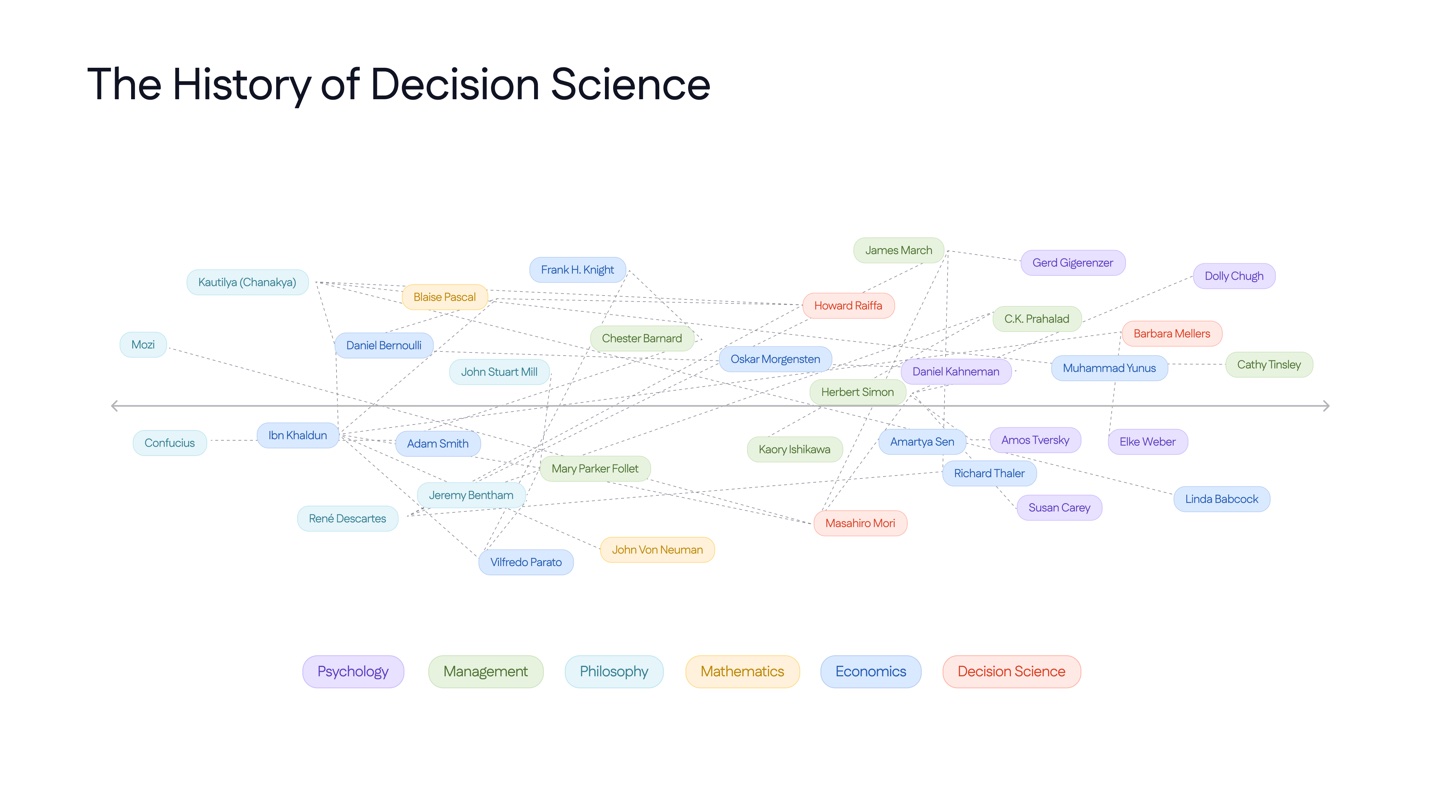
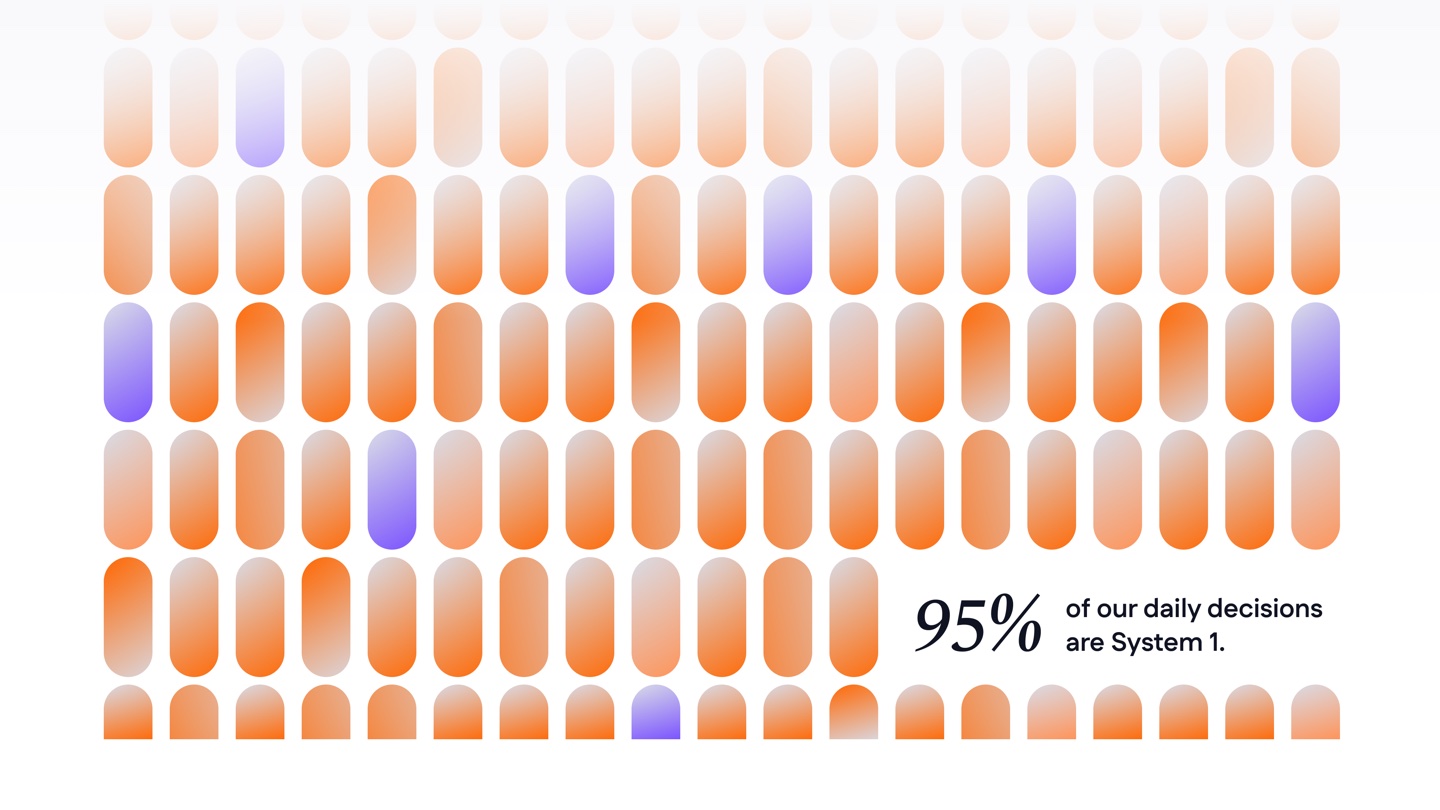
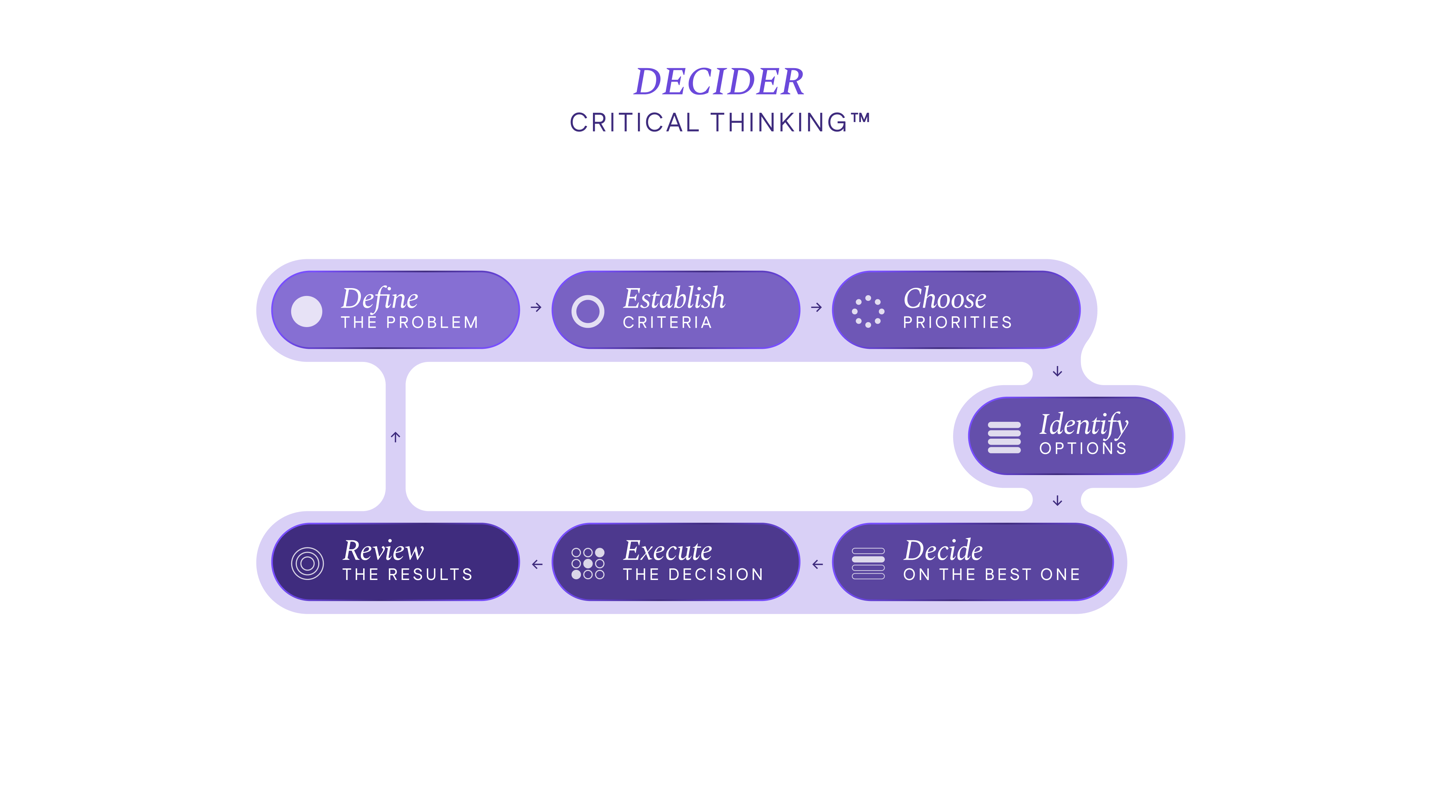

The DECIDER™ Model · Lesson 2
Half the speed you’re missing is here
A debate without a defined decision is an opinion contest with a calendar invite.
Which recurring debate on your team is really an undefined decision?
Our quarterly roadmap fight. We argue rankings for two weeks because no one has said whether it’s the PM’s call or a vote.
Open your next decision meeting by stating the decision and its owner in one sentence.
Frame · 6 quick prompts
Your problem statement
Here’s what we built.
Edit it directly — it’s yours to refine.
Our team-lead seat has been open for six weeks and coverage is slipping. We need a lead in place this quarter — without stalling the team’s current momentum or losing our strongest people.
Value Benefits & gains
Capability lift for the team 30%
Cost Financial & resource costs
Total comp and ramp cost 20%
Risk Uncertainty & downsides
Ramp and retention risk 25%
Time Speed & urgency
Time to full coverage 25%
Decide · score the options
Promote from within 7.7
Commit · execution plan
Promote from within 7.7
Promote from within
Next steps
✎ EditName interim coverage for the team
Draft the internal posting and criteria
Problem statement
✎ EditOur team-lead seat has been open for six weeks and coverage is slipping. We need a lead in place this quarter — without stalling the team’s current momentum or losing our strongest people.
Saved to your toolkit — every decision stays open to revisit and edit.
DECIDERindex™ · individual
Dimension breakdown
Do I define the real problem, not the symptom?
Your self-baseline — the re-take at 90 days shows the movement.
Do I name standards before options?
Your self-baseline — the re-take at 90 days shows the movement.
Do I make the trade-offs explicit?
Your self-baseline — the re-take at 90 days shows the movement.
Do I generate real alternatives?
Your self-baseline — the re-take at 90 days shows the movement.
Do I select rigorously, with clear rationale?
Your self-baseline — the re-take at 90 days shows the movement.
Do decisions land with owners and timelines?
Your self-baseline — the re-take at 90 days shows the movement.
Do I close the loop and keep the lesson?
Your self-baseline — the re-take at 90 days shows the movement.
In their words · qualitative
“What happens after I make a decision?”
Honestly — it depends who didn’t like it. Some of my calls get re-made twice a month.
Once something is truly decided we move fast. The wobble is what counts as decided.
“What’s working that I should keep?”
Writing the decision down with who owns it. The one-pager habit killed half our re-litigating.
Illustrative sample data, normalized to 0–100 for display — each instrument reports on its own scale.
In the flow of work
Name the owner first.
When the team starts debating, I will state who owns the call before we weigh options.
How consistently did you name the owner first this week?
Three options minimum.
When we face a real decision, I will require three genuine alternatives before we choose.
How consistently did you force real options this week?
Start working on a new commitment
You have 12 planned skills — time to get started.
Planned commitments
Saved for later. When you're ready, move one to your plan. Decision Making 61/100 Change Management 59/100 DECIDERindex™ · aggregate reporting
Pre / post by stage
Baseline 90-day BenchmarkBenchmark = the DECIDERindex™ research base across participating organizations.
Participation & engagement
474 invitedBy cohort
4 cohorts · 3 modalitiesIllustrative sample data, normalized to 0–100 for display — each instrument reports on its own scale.
Team Performance Team Cohesion & Performance™
Day 0 Take COHESIONindex™ — self and external raters. Truth first, not a hunch.
Facilitator certification
Keep going to complete your certification.
Program roadmap · FY26
Upcoming
Also scheduled: People leaders · wave 2 (140 · live-virtual · Q3) and All teams (900 · on-demand · Q4).
Delivery · people leaders, wave 1
Live-virtual
Next session Thu · 32 enrolled
Facilitated by your certified team
In person
On-site workshop · Oct 12
Your facilitators or LeaderFactor experts
On-demand
210 active learners
Self-paced, same curriculum and assessment
Presenter mode
Presenting · live-virtual
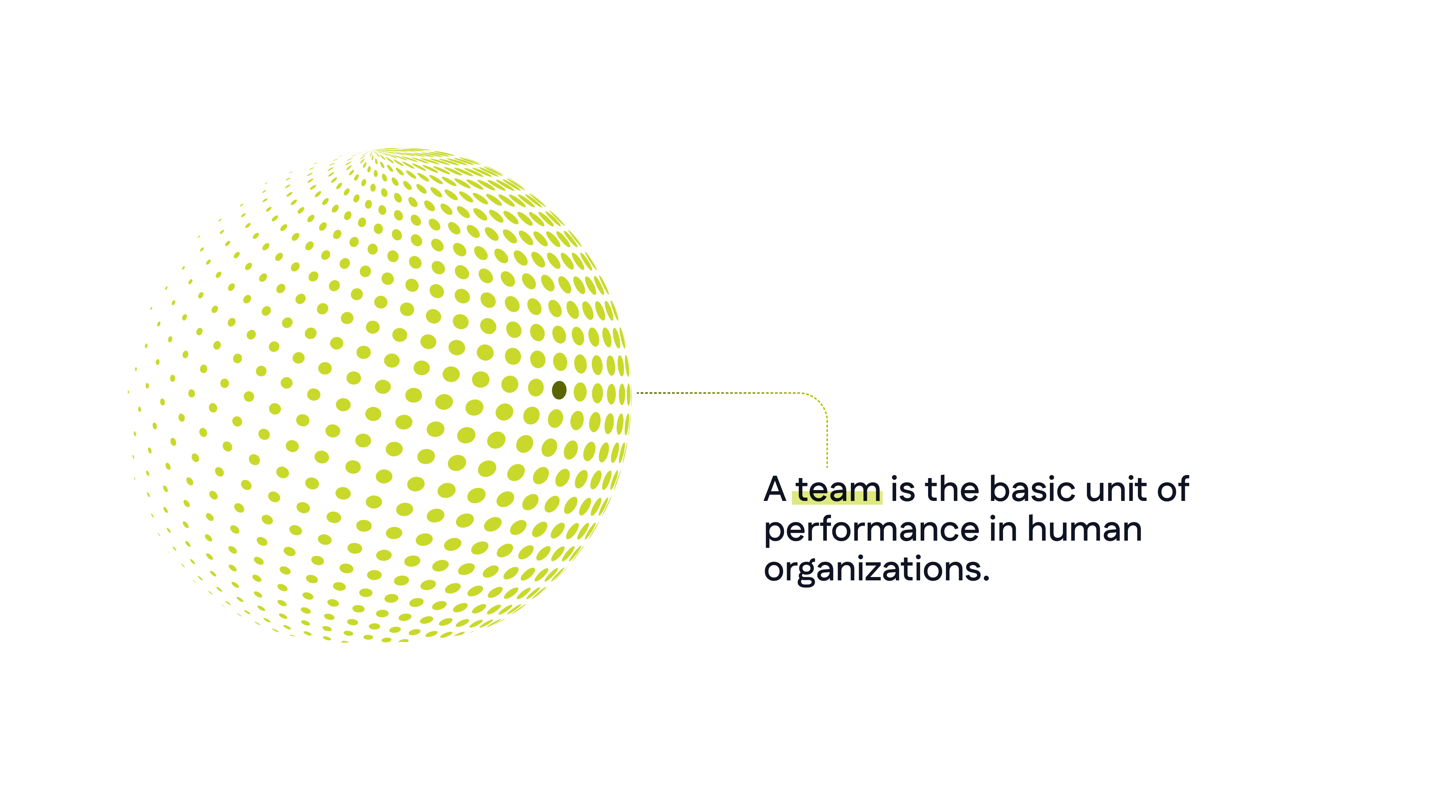

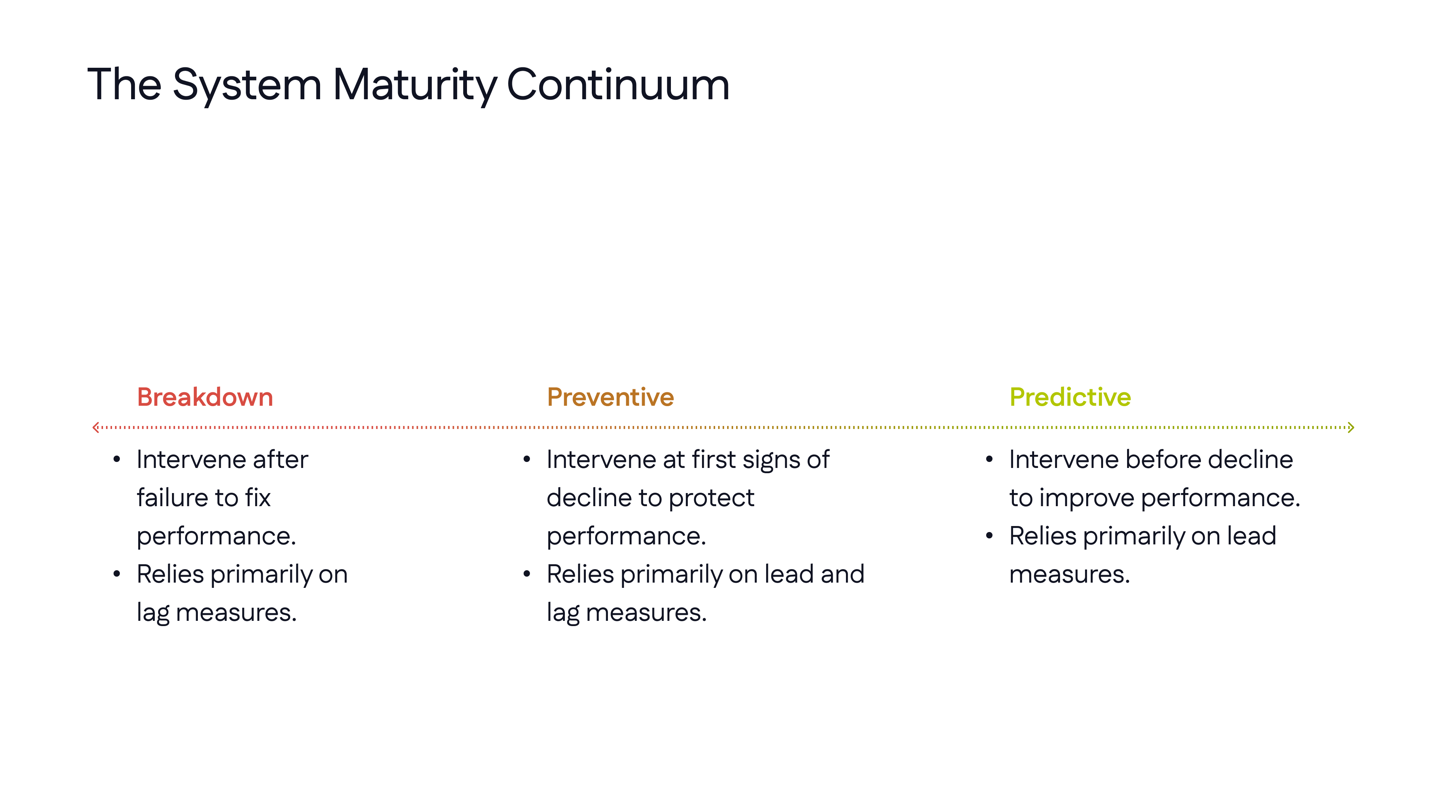
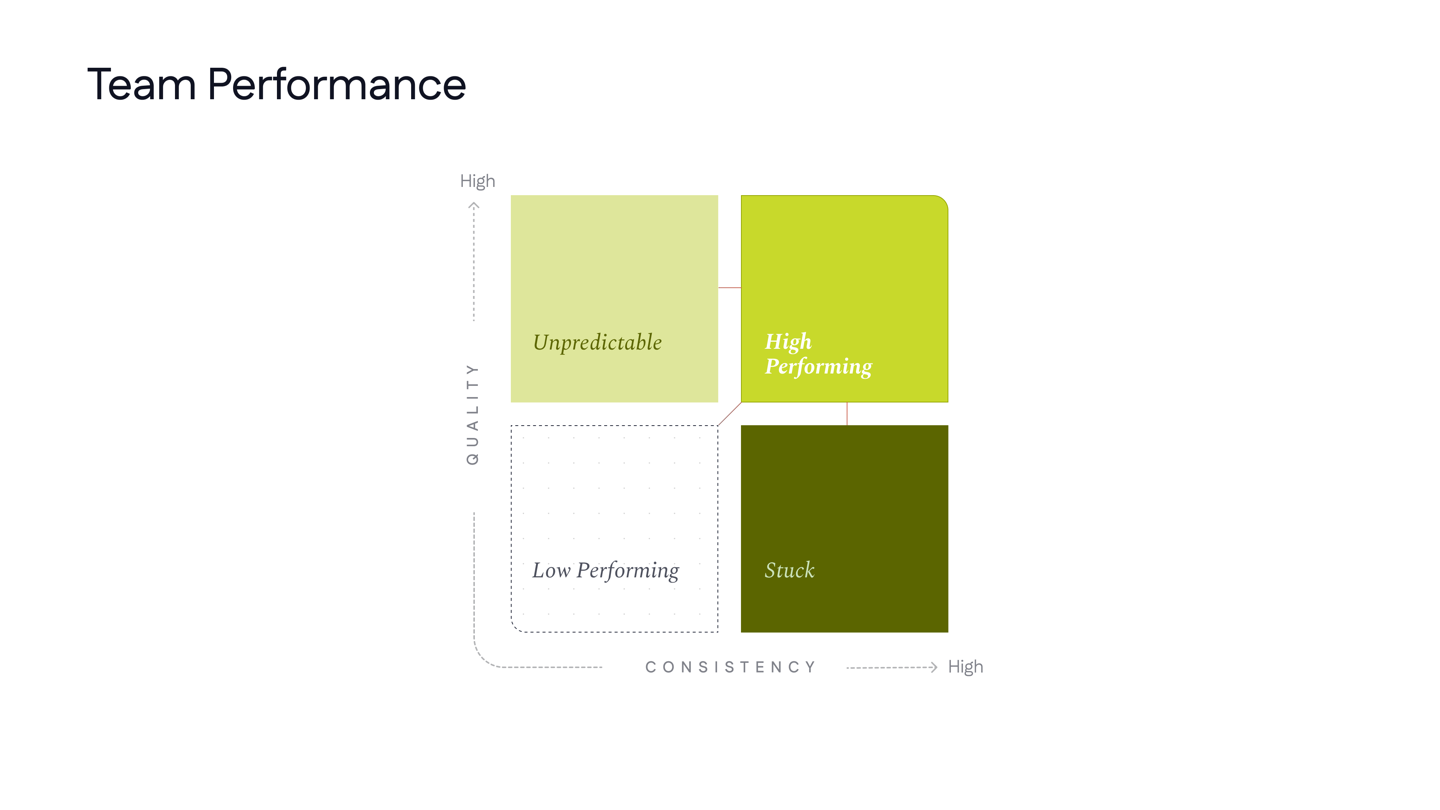
The Cohesion System · Lesson 2
Shared clarity is a team skill
A team that likes each other but pulls in different directions is a group with good vibes.
Could every person on your team say what it’s for in one sentence — the same sentence?
I asked. I got four different sentences, and two of them were about different teams.
Open your next team meeting by having someone other than you state the team’s purpose.
Output · work backward from the result
The output
Where does it sit today?
Processes · what drags the output down
Add only the processes that negatively affect On-time delivery — and why. If nothing here is hurting it, leave it empty. That’s an answer too.
Inputs · what drags the output down
Redesign · fix the system
Select each input and process in the flow map and describe how you will fix it. Arrows show how energy flows toward On-time delivery.
Diagnosis · redesign
Describe the specific changes you will make to move the needle.
Implementation · obstacles → overcome → invert
Report · plan summary
Your complete team performance plan — diagnosis, redesign, and implementation in one place.
01 · Diagnosis & plan
✎ EditClick any node to read why it hurts and how you’ll redesign it.
Saved to your toolkit — 4 of 18 action plans done. Come back anytime.
COHESIONindex™ · individual
Dimension breakdown
Is the care on this team real, not performed?
You and your raters see this the same way.
Can everyone say what this team is for?
You rate this higher than others experience it — start here.
Is there a real “we” people are proud of?
You and your raters see this the same way.
Does effort hold when the work gets hard?
Others experience this more strongly than you give yourself credit for.
In their words · qualitative
“What does this team say in the hallway that it doesn’t say in the room?”
That we’re busy but not sure we’re busy on the right things.
People genuinely like each other. That part is not an act.
“What should this team keep doing?”
The Friday demos. It’s the one time the whole team sees the work fit together.
Illustrative sample data, normalized to 0–100 for display — each instrument reports on its own scale.
In the flow of work
Surface the real blocker.
When we run our standup, I will ask for one thing actually slowing the team, not just status.
How consistently did you surface a real blocker this week?
Connect work to the “we.”
When I assign or review work, I will name how it moves the team’s goal, not just the task list.
How consistently did you connect work to the team this week?
Start working on a new commitment
You have 12 planned skills — time to get started.
Planned commitments
Saved for later. When you're ready, move one to your plan. Team Performance 57/100 Psychological Safety 56/100 COHESIONindex™ · aggregate reporting
Pre / post by stage
Baseline 90-day BenchmarkBenchmark = the COHESIONindex™ research base across participating organizations.
Participation & engagement
474 invitedBy cohort
4 cohorts · 3 modalitiesIllustrative sample data, normalized to 0–100 for display — each instrument reports on its own scale.